

Hey there! As a connector wire supplier, I often get asked how to select the right connector wire for a power distribution system. It's a crucial decision, and I'm here to share some tips to make the process easier for you.
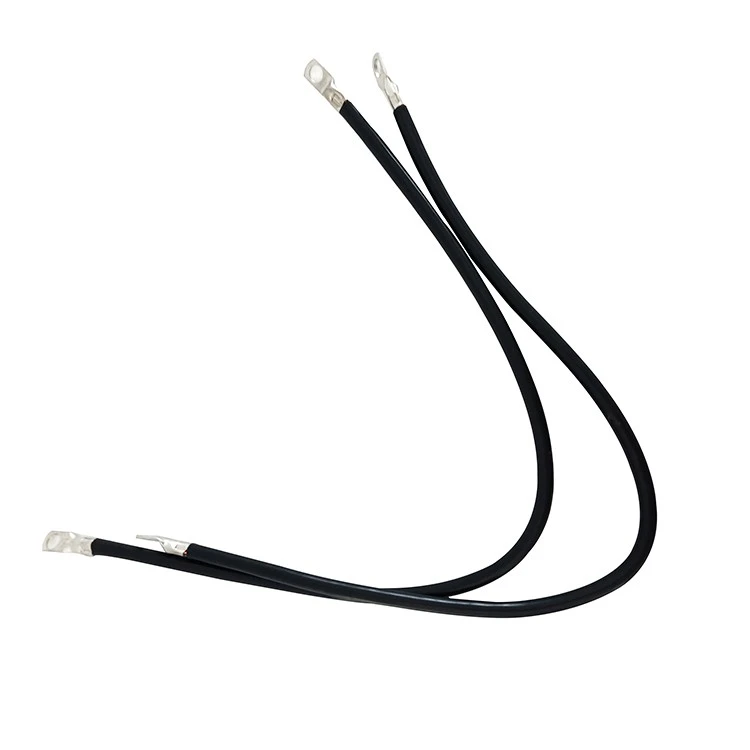

First off, let's talk about the basics. A power distribution system is all about getting electricity from the source to where it's needed. And connector wires play a vital role in this process. They're like the bridges that connect different parts of the system, allowing the electrical current to flow smoothly.
Understanding Your System's Requirements
The first step in selecting a connector wire is to understand your power distribution system's requirements. You need to know things like the voltage, current, and frequency of the electrical power. These factors will determine the size and type of wire you need.
- Voltage: The voltage is the force that pushes the electrical current through the wire. Higher voltage systems usually require thicker wires to handle the increased electrical stress. If you use a wire that's too thin for the voltage, it can overheat and cause a fire. So, make sure to check the voltage rating of your system and choose a wire that can handle it.
- Current: The current is the amount of electrical charge flowing through the wire per unit of time. It's measured in amperes (amps). The higher the current, the more heat the wire will generate. You need to select a wire with a sufficient ampacity (the maximum amount of current a wire can carry safely) for your system. If the wire can't handle the current, it will overheat and potentially damage your equipment.
- Frequency: The frequency of the electrical power can also affect the performance of the wire. In most power distribution systems, the frequency is either 50 Hz or 60 Hz. However, some specialized systems may operate at different frequencies. Make sure to choose a wire that's designed for the frequency of your system.
Considering the Environment
The environment where the connector wire will be installed is another important factor to consider. Different environments have different conditions that can affect the performance and lifespan of the wire.
- Temperature: Extreme temperatures can cause the wire to expand or contract, which can lead to mechanical stress and damage. If the wire will be exposed to high temperatures, you need to choose a wire with a high-temperature rating. On the other hand, if it will be in a cold environment, you need to select a wire that's flexible at low temperatures.
- Moisture: Moisture can cause corrosion and short circuits in the wire. If the wire will be installed in a wet or humid environment, you should choose a waterproof or moisture-resistant wire. For example, our Waterproof Automotive Wire Connector is designed to withstand moisture and ensure reliable performance in wet conditions.
- Chemicals and Abrasion: If the wire will be exposed to chemicals or abrasive materials, you need to select a wire with a chemical-resistant and abrasion-resistant outer jacket. This will protect the wire from damage and ensure its long-term performance.
Types of Connector Wires
There are several types of connector wires available, each with its own advantages and disadvantages. Here are some common types:
- Copper Wires: Copper is a popular choice for connector wires because it has excellent electrical conductivity and is relatively inexpensive. It's also easy to work with and can be bent and shaped without breaking. Copper wires are suitable for a wide range of applications, from low-voltage to high-voltage systems.
- Aluminum Wires: Aluminum is another option for connector wires. It's lighter and less expensive than copper, but it has lower electrical conductivity. Aluminum wires require larger cross-sectional areas to carry the same amount of current as copper wires. They also need to be installed correctly to prevent corrosion and loose connections.
- Automotive Wires: Automotive wires are designed specifically for use in vehicles. They need to be flexible, durable, and able to withstand the vibrations and harsh conditions of the automotive environment. Our Automotive Wire Connector Plugs and Two Wire Automotive Connector are ideal for automotive applications, providing reliable connections and long-lasting performance.
Connector Types
In addition to the wire itself, you also need to choose the right connector type for your power distribution system. The connector is what joins the wire to the electrical components, and it needs to provide a secure and reliable connection.
- Plug and Socket Connectors: These are the most common type of connectors. They're easy to install and remove, making them ideal for applications where you need to make frequent connections and disconnections. Plug and socket connectors come in a variety of sizes and configurations to suit different requirements.
- Crimp Connectors: Crimp connectors are used to join two wires together. They're installed by crimping a metal sleeve around the wires, creating a permanent connection. Crimp connectors are reliable and provide a good electrical connection, but they require special tools to install.
- Solder Connectors: Solder connectors involve melting solder to join the wires together. They provide a very strong and reliable connection, but they require some skill and equipment to install. Solder connectors are often used in applications where a high-quality connection is essential.
Other Factors to Consider
- Length of the Wire: The length of the wire can affect its performance. Longer wires have higher resistance, which can cause a voltage drop. You need to choose a wire with a low enough resistance to minimize the voltage drop. If the voltage drop is too high, it can affect the performance of your equipment.
- Cost: Of course, cost is always a factor. You need to balance the cost of the wire and connectors with the quality and performance you need. Don't just go for the cheapest option, as it may not meet your requirements and could end up costing you more in the long run.
Conclusion
Selecting the right connector wire for a power distribution system is a complex process that requires careful consideration of several factors. By understanding your system's requirements, considering the environment, choosing the right type of wire and connector, and taking other factors into account, you can ensure a reliable and efficient power distribution system.
If you're still not sure which connector wire is right for your application, don't hesitate to reach out. As a connector wire supplier, we have the expertise and experience to help you make the right choice. Whether you're working on a small DIY project or a large industrial power distribution system, we can provide you with the high-quality connector wires and connectors you need. Let's have a chat about your requirements and see how we can work together to meet your needs.
References
- Electrical Wiring Handbook, various editions
- National Electrical Code (NEC)
- Automotive Electrical Systems textbooks