

Why Choose Us
Hebei Lineng Cable Co., Ltd. has more than 20 years of industry experience, 100 employees, Ten thousand square meters, daily production capacity of 500,000 meters, annual sales revenue of 200 million yuan.
Wide Product Range
The main production and sales of copper core cable, aluminum core cable, new energy charging station cable of products.
Quality Assurance
The entire production and operation process of the company is strictly in accordance with the requirements of CE certification, CCC certification, Rhine certification, 9001 certification, 14001 certification, 45001 certification and quality management system standards, the implementation of comprehensive quality control, so as to ensure product quality.
Wide Range of Applications
Our products are widely used in Industrial production, people's work, home life, daily travel, etc.
OEM & ODM Available
The company can also accept OEM, ODM cooperation.
What is Household Cable
Household cable can be used to describe and type of wire or metal cable that is common to domestic households. This includes electrical cable, telephone cable, internet cable, TV cables as well as other types of cable. If you want to know the specifications and prices of Household Cable, please contact us!
-
![200 ft Heavy Duty Extension Cord]() 200 ft Heavy Duty Extension CordFlame retardant wire, outdoor antifreeze, excellent electrical conductivity.. Oxygen free pure copper, low core ratio, environmental protection material.read more
200 ft Heavy Duty Extension CordFlame retardant wire, outdoor antifreeze, excellent electrical conductivity.. Oxygen free pure copper, low core ratio, environmental protection material.read more -
![Heavy Duty Outdoor Extension Lead]() Heavy Duty Outdoor Extension LeadNewly upgraded three layers of skin. Outdoor special flame retardant, antifreeze, tensile and wear-resistant.. Wide application field. New craftsmanship manufacturing protection upgrades durableread more
Heavy Duty Outdoor Extension LeadNewly upgraded three layers of skin. Outdoor special flame retardant, antifreeze, tensile and wear-resistant.. Wide application field. New craftsmanship manufacturing protection upgrades durableread more -
![Low Profile Outdoor Extension Cord]() Low Profile Outdoor Extension CordThe new material wire has good bending resistance and flame retardancy, and it is safe to leave the open flame and not delay the burning.read more
Low Profile Outdoor Extension CordThe new material wire has good bending resistance and flame retardancy, and it is safe to leave the open flame and not delay the burning.read more -
![Power Cord for Nest Outdoor Camera]() Power Cord for Nest Outdoor CameraAlthough aluminum core cables are relatively cheap, copper core cables have outstanding advantages in cable power supply, especially in the field of underground cable power supply.read more
Power Cord for Nest Outdoor CameraAlthough aluminum core cables are relatively cheap, copper core cables have outstanding advantages in cable power supply, especially in the field of underground cable power supply.read more -
![15 Outdoor Extension Cord]() 15 Outdoor Extension CordFocus on international quality. Source manufacturers self-produced self-marketing worry. The manufacturer promises that the indicators of the wire are in line with national standards and supportread more
15 Outdoor Extension CordFocus on international quality. Source manufacturers self-produced self-marketing worry. The manufacturer promises that the indicators of the wire are in line with national standards and supportread more -
![USB Only Power Strip]() USB Only Power StripThis cable is suitable for: Outdoor landscape engineering, building lighting, rural street lights, rural photovoltaic power generation, farming, monitoring, fire protection, machinery, water pumps,read more
USB Only Power StripThis cable is suitable for: Outdoor landscape engineering, building lighting, rural street lights, rural photovoltaic power generation, farming, monitoring, fire protection, machinery, water pumps,read more -
![Outdoor Extension Cord with Surge Protector]() Outdoor Extension Cord with Surge ProtectorPure copper wire core is safe and practical.. Choose high quality oxygen-free copper core as conductor, durable arc, longer service life.. National standard three plug bare tail line CCCread more
Outdoor Extension Cord with Surge ProtectorPure copper wire core is safe and practical.. Choose high quality oxygen-free copper core as conductor, durable arc, longer service life.. National standard three plug bare tail line CCCread more -
![Flush Mount Power Strip with USB]() Flush Mount Power Strip with USBProduct name: Copper core PVC insulated PVC sheathed wire. Product model: ZR-RVV. Insulation material: Black PVC (PVC). Conductor material: multiple oxygen-free copper wireread more
Flush Mount Power Strip with USBProduct name: Copper core PVC insulated PVC sheathed wire. Product model: ZR-RVV. Insulation material: Black PVC (PVC). Conductor material: multiple oxygen-free copper wireread more -
![Travel Extension Cord with USB]() Travel Extension Cord with USBThree-plug bare wire tail power cord is widely used to protect home electricity. 2500W. Do not settle for quality. Thickened coreread more
Travel Extension Cord with USBThree-plug bare wire tail power cord is widely used to protect home electricity. 2500W. Do not settle for quality. Thickened coreread more -
![Extension Cord Connected To Power Strip]() Extension Cord Connected To Power StripCoarse non-oxidized pure copper core is safer without ironing.. 3*1.5 square outer diameter 8.2MM is recommended for use within 3500W.. 3*2.5 square outer diameter 10.5MM recommended for use withinread more
Extension Cord Connected To Power StripCoarse non-oxidized pure copper core is safer without ironing.. 3*1.5 square outer diameter 8.2MM is recommended for use within 3500W.. 3*2.5 square outer diameter 10.5MM recommended for use withinread more -
![12 Gauge Appliance Extension Cord]() 12 Gauge Appliance Extension CordOxygen-free copper core. Foot meter foot square. Pure copper anti-oxidation and corrosion resistance component foot core coarse use of safe real material.read more
12 Gauge Appliance Extension CordOxygen-free copper core. Foot meter foot square. Pure copper anti-oxidation and corrosion resistance component foot core coarse use of safe real material.read more -
![Short Appliance Extension Cord]() Short Appliance Extension CordThe skin is all made of new flame retardant material, safe flame retardant leaving the open flame does not burn, no pungent smell longer life.read more
Short Appliance Extension CordThe skin is all made of new flame retardant material, safe flame retardant leaving the open flame does not burn, no pungent smell longer life.read more


Advantages of Household Cable


Ensuring Safety and Reliability
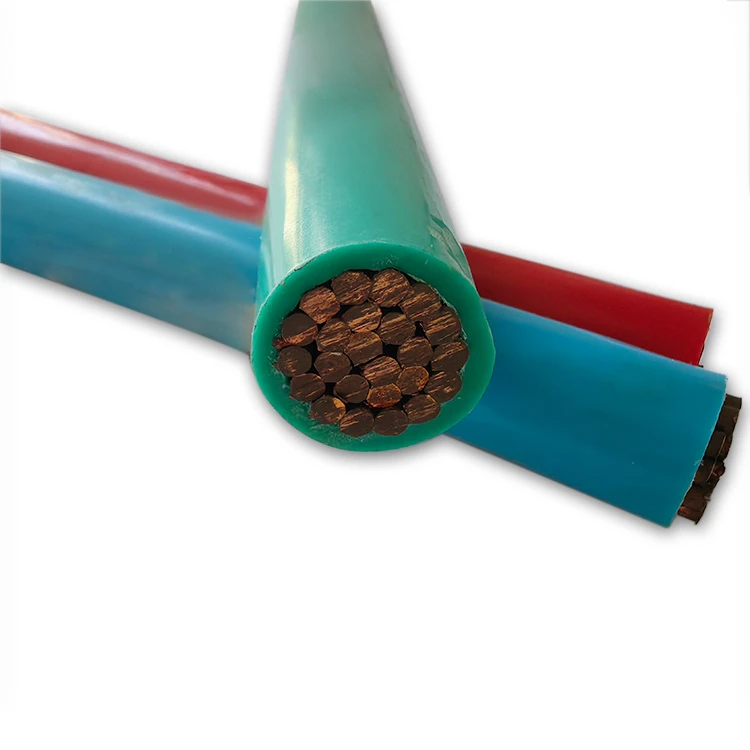
When it comes to electrical systems, safety is non-negotiable. High-quality electrical wires act as guardians, ensuring a secure environment for individuals and property. One risk of wires is that you generally don’t see them, so in many cases, once you notice a severe problem, it is likely too late.
One of the foremost advantages of high-quality electrical wires is their ability to mitigate the risk of electrical hazards. These wires are designed and manufactured to meet strict safety standards, minimizing the chances of short circuits, electrical leaks, and other potentially dangerous situations. Robust insulation and precise engineering act as a shield, preventing electrical faults that could lead to shocks or even electrocution.
Low-quality wires pose a significant fire hazard, especially when they lack proper insulation or are susceptible to overheating. High-quality electrical wires, on the other hand, are equipped with fire-resistant materials and designed to handle the rigours of electrical currents without igniting. Investing in such wires becomes a proactive measure in preventing electrical fires safeguarding lives and property.
Accidents resulting from faulty wiring can have severe consequences. High-quality electrical wires contribute to accident prevention by ensuring consistent and reliable electrical conductivity. Dedicated wires reduce the likelihood of sudden power failures or fluctuations, providing a stable electrical environment that minimizes the risk of accidents, both at home and in industrial settings.
Beyond safety, the reliability of high-quality electrical wires pays off in the long run. These wires are engineered for durability, with electric wire materials and construction that withstand the test of time. As a result, the need for frequent maintenance and replacements is significantly reduced, translating to cost savings over the lifespan of the wiring system.
Improved Electrical Performance
Electrical wires aren’t just about safety; they also play a critical role in optimizing electrical performance and can be a game-changer.
The conductivity of a wire is a critical factor in its performance. High-quality electrical wires, often crafted from superior materials like copper, offer low electrical resistance. This reduced resistance ensures that a higher percentage of the electricity flowing through the wire reaches its intended destination, minimizing energy loss and maximizing efficiency. Practically, this means less heat generation and more effective power transmission, which can be further enhanced with insulated electrical wire.
Voltage drop is when the voltage decreases as electricity travels through a wire. This is particularly significant over long distances or in systems with high current flow. High-quality wires are designed to improve voltage drop prevention, ensuring that the intended voltage reaches the connected devices. This not only maintains the efficiency of the electrical system but also prevents issues like dimming lights or reduced performance in electronic devices due to inadequate voltage.
In an era where energy efficiency is paramount, high-quality electrical wires contribute to a greener and more sustainable future. With reduced resistance and optimized conductivity, these wires help conserve energy by minimizing waste. Businesses and homeowners alike can benefit from lower energy bills, making the initial investment in high-quality wires an intelligent choice for those looking to reduce their environmental footprint.
Quality in electrical wires isn’t a one-time benefit—it’s a gift that keeps giving. The superior materials and manufacturing processes used in high-quality wires ensure consistent performance over the long haul. This translates to a reliable electrical infrastructure that meets or even exceeds performance expectations, whether it’s in a residential setting or an industrial powerhouse.
Compatibility and Adaptability
The mark of high-quality electrical wires extends beyond safety and performance; it lies in their remarkable versatility and adaptability.
High-quality electrical wires are engineered to be versatile and capable of seamlessly integrating into a wide range of electrical systems. Whether it’s a residential setup, a commercial building, or an industrial complex, these wires demonstrate compatibility with various devices and equipment. Their standardized specifications and adherence to industry norms make them a reliable choice, ensuring smooth connectivity and operation across different systems.
NM Cable
One of the most common materials encountered when embarking on residential electrical projects is Non-Metallic (NM) cable, often referred to by its popular brand name, “Romex.” NM cable is prized for its ease of installation and cost-effectiveness, making it a go-to choice for wiring homes. This cable comprises one or more insulated conductors enclosed in a non-metallic sheath, offering protection and flexibility.
UF Cable
Underground Feeder (UF) cable is the robust cousin of NM cable, designed to withstand the rigours of outdoor and underground environments. Similar in structure to NM cable, UF cable has a thicker, more durable sheath that protects its conductors from moisture, soil, and other elements. This makes it an excellent choice for powering outdoor fixtures like garden lights, garages, and other outbuildings.
The UF cable must be installed carefully to avoid damage despite its durability. It should be buried at a sufficient depth to protect it from physical damage and must be enclosed in conduit if it’s exposed above ground or in areas where it might suffer mechanical injury. As with NM cable, adhering to building codes and standards for UF cable installation is paramount to ensure safety and functionality.
THHN/THWN Wire
THHN (Thermoplastic High Heat-resistant Nylon-coated) and THWN (Thermoplastic Heat and Water-resistant Nylon-coated) wires are two of the most versatile types of electrical wire used in construction today. They are designed for various applications, from residential to commercial and industrial settings. These wires are mainly known for their durability and resistance to environmental conditions.
THHN is ideal for dry locations and can withstand temperatures up to 90°C. It’s commonly used in the internal wiring of appliances, in conduit and cable trays for services, feeders, and branch circuits in commercial or industrial applications.
Low-Voltage Wire
Low-voltage wire is a broad category encompassing various types of wire and cable designed for systems operating at 50 volts or less. Typical applications include doorbells, thermostat wiring, landscape lighting, and data communication cables. The primary advantage of low-voltage wiring is its safety; the shock or fire risk is significantly lower than that of standard electrical wiring, making it ideal for DIY projects.
Low-voltage wire comes in many forms, each suited to specific applications. For instance, twisted pair cable is often used for telephone and data transmission, while coaxial cable is preferred for video signals. Selecting the correct type of low-voltage wire is crucial for ensuring the efficiency and reliability of your system.
Phone and Data Wire
In today’s interconnected world, phone and data wires are communication lifelines in residential and commercial settings. These wires are designed to transmit voice and data signals, ensuring we stay connected to the internet and telecommunications networks.
Phone wires have traditionally been used for landline telephone connections and are typically made of twisted pair cables to reduce electromagnetic interference and maintain a clear signal. The most common type is the Category 3 (Cat3) cable, which, while still in use, has largely been supplanted by higher-category cables for data transmission due to the increasing demand for bandwidth.
Data wires, on the other hand, cater to the needs of modern high-speed internet and network connections. Category 5e (Cat5e), Category 6 (Cat6), and Category 6a (Cat6a) cables are commonly used in network installations, offering varying degrees of bandwidth and signal integrity. These cables are designed to handle the high-speed data transmission required by today’s internet, streaming, and networking needs.
Coaxial Cable
Coaxial cable, or coax, is another essential type of wiring used in residential and commercial settings, primarily for television and internet services. It consists of a central conductor, an insulating layer, a metallic shield, and an outer insulating layer to prevent electromagnetic interference. This design allows coaxial cables to deliver high-quality video and broadband internet signals over long distances.
Coax cables come in various types, including RG6 and RG11. RG6 is the most commonly used in homes for cable TV and internet connections due to its balance of performance and flexibility. RG11 offers lower signal loss over longer distances but is thicker and less flexible, making it more suited for outdoor or main-line installations.

How to Choose Household Cable
Check the Wire Insulation
Choose an electric wire that has three layers. Amongst the three layers, the first layer is for water resistant, second is heat or high temperature resistant, and the third layer is for fire retardant. Also, the highest temperature withstands by the insulation without melting should be + 100o C. This factor is crucial to make your home’s electrical system safe and secure.
Select the High Quality Material
In general, electric wires or cables are made of both Aluminium and Copper. But, when you are selecting wires for your home, you should always prefer copper wires only. Besides, choose the wires that have multiple strands instead of single strand wires. And above all, the electric wire must have ISI mark which indicates the superior quality. The good quality wires will be safe and long-lasting so that you can protect your premises along with saving on cost.
Pick the Correct Size of Cables
Three factors contribute to the selection of cable size. First, Voltage regulation. Second, Short circuit rating, And, current carrying capacity. These factors should be assessed before choosing a cable size! oftentimes, short circuit rating and voltage regulation factors are overlooked. This overlooking can result in danger to your property and the damage of the cable itself.
In addition, you should always go for the branded electrical items that offer ultimate safety and quality. As you are investing a huge amount of money for the electrical wire system for your property, it is advisable to select the right type of wire for the right location. For instance, the underground wiring requires different types of cables than the outside wires.
Colour of Wire Insulation
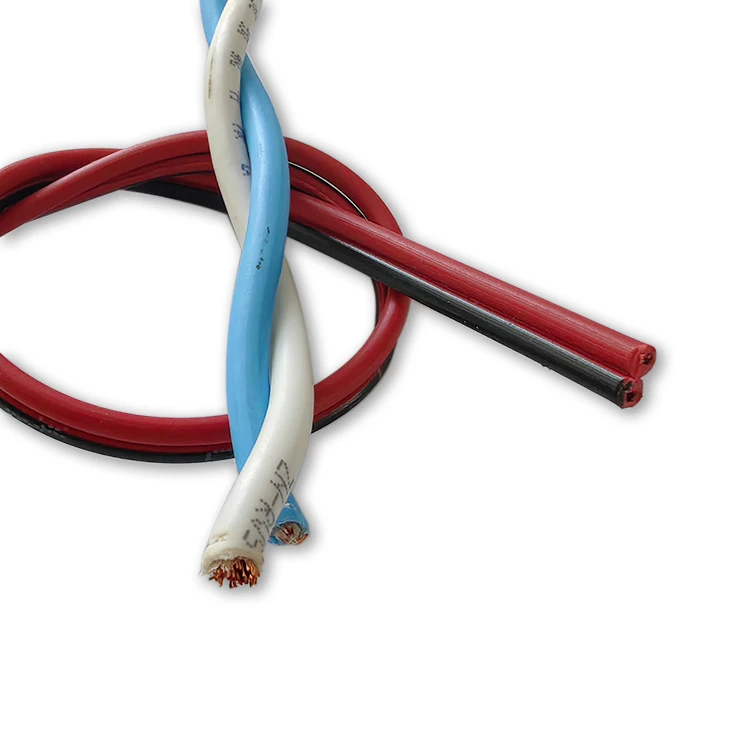
Choose red, yellow and blue colour insulation for the three phases. Black coloured wire for neutral and green for earth wire. Generally, three-phase wires are in black, red and blue and neutral is in grey or white. And, the green wire is used for earthing.
Determine the Electrical Load
Start by calculating the electrical load or the total amount of power to be used in each circuit. Consider the number of outlets, lighting fixtures, and appliances likely to be connected to each circuit. It will help you determine the capacity or amperage rating required for the House Wire.
Check Local Electrical Codes
Acquaint yourself with the local electrical codes and regulations. These codes specify the minimum requirements for Wire for House Wiring size, insulation, grounding, and installation methods. They ensure safety and adherence with the applicable standards. Check with your local building department or consult a licensed electrical contractor to understand the requirements.
Determine Wire Size
The circuit amperage rating and the wire run length the wire run determine the wire size. You can refer to the National Electrical Code (NEC) or consult an electrician to determine the appropriate wire size. The wire size is usually specified in terms of American Wire Gauge (AWG). The larger numbers indicate smaller wire diameters. For example, 14 AWG is smaller than 12 AWG.
How to Tidy Up a Mess of Wires
Fasten Cables to Walls With Coaxial Cable Staples or Tubing
When cable or Internet technicians hook up service, they usually pop dozens of coaxial cable staples into your wall. These little fasteners go by a few names: coaxial cable staples, nail-ins, or clips; cable wire clips; plastic or polyethylene coaxial staples; and so on. They're little C-shaped pieces of plastic with a notch and hole on one side where a nail can fit (see an example here), and you use them to hold a cord flush against a wall or a baseboard. Sometimes, you see them used to run cables up and around doorways and window frames. Coaxial cable staples keep cables in place securely and neatly. There's no reason you can't use them for your own tidying-up projects.
Secure Bundles of Cables With Zip Ties or One-Wraps
Zip ties, sometimes also called cable ties, are your best friend when you need to get a mess of wires under control quickly. They're essential for media centers with a bunch of cords all jutting out of the same purge protector or snaking around the back of a television set. When one cable is much longer than others, you can loop it over itself once or twice before cinching it with the zip tie.
Be careful not to create kinks in your cords when you tie them because it can damage the wiring inside.
Use Painter's Tape in a Pinch
When you're out of cable ties or One-Wraps and need a short-term solution for organizing cables, painter's tape or masking tape can help tame them. Use painter's tape to hold cords against the back of a desk, a wall, or the underside of a table without worrying about damaging the surface. The only problem with painter's tape is it doesn't hold forever. Depending on the type of surface, how clean it is, and the humidity, the tape may hold for weeks or just a few hours. If you're nervous about a surface that has a delicate varnish, press and remove a length of tape to your skin a few times before using it. The natural oils on your skin make the tape less adhesive.
Set Up Enough Power Strips
You can't organize all your electronic equipment and its cables in an area if you don't have enough room to plug in everything. Power strips and surge protectors are must-have items for keeping cords tidy. Consider mounting them using double-sided mounting tape or Velcro strips to the underside of a desk or the back of a hutch to keep them neatly out of view.
I like surge protectors that come with a shutoff switch so that I can fully power down all my gadgets to be a little greener. This reduces the so-called phantom load: the low-level power suck from LEDs and other non-essential electrical components when devices are technically off but still drawing power. Even better, you can now buy a smart power strip and turn it off remotely.
Label Your Cords
Use a label maker to identify your cables. A perfectly good one for home use costs only about $30, although you can easily spend hundreds of dollars for something that’s top-of-the-line. Labels come in handy for all kinds of electronics, especially in large households or for people who attend a lot of conferences, where identical laptop chargers and phone cables are easily mixed up.
When entering text into the label maker, add a long blank space at the end so that when it's printed, you can fold the two ends around the cord and attach the sticky sides together. One side will have your text, and the other side will be blank. Or enter your text twice with a double space in between to have it appear on both sides.
Store Unused Cables in a Shoe Rack
In garages, utility closets, and the like, use a hanging shoe rack to store your unused wires, cords, and cables. Each pouch is the perfect size for one wound length of cord you'd find in a home or small office. You can fill any extra slots with other small home-improvement equipment, such as containers of nails or even lightweight tools.
Our Factory

Hebei Lineng Cable Co., Ltd. has more than 20 years of industry experience, 100 employees, Ten thousand square meters, daily production capacity of 500,000 meters, annual sales revenue of 200 million yuan. Is a professional production, power cable and wire enterprises. The main production and sales of 35KV, 15KV, 1KV, 750V copper core cable, aluminum core cable, new energy charging station cable, low smoke zero halogen cable, sheathed cable/shielding cable, control cable, high voltage cable, rubber sheathed cable, shielding machine cable, aluminum alloy cable, mine insulated copper cable, home laying cable and special cable hundreds of series, thousands of specifications of products.
The company can also accept OEM, ODM cooperation. Since its establishment, the company has adhered to technological progress and concept innovation, constantly strengthened internal management, advanced with the times, and formulated the quality policy of "customer-centric, based on production management, continuous improvement of quality system, and improvement of customer satisfaction products". Strictly in accordance with national and international standards to organize production, the implementation of raw material procurement to finished product delivery of the whole process control. The entire production and operation process of the company is strictly in accordance with the requirements of CE certification, CCC certification, Rhine certification, 9001 certification, 14001 certification, 45001 certification and quality management system standards, the implementation of comprehensive quality control, so as to ensure product quality.

Our Certificate

Frequently Asked Questions
As one of the leading household cable manufacturers and suppliers in China, we warmly welcome you to wholesale bulk high quality household cable in stock here from our factory. Contact us for free sample.