

As a high-voltage power cable supplier, I often get asked about the different types of insulation used in high-voltage power cables. Insulation is a critical component of these cables, as it prevents the flow of electricity from the conductor to the surrounding environment, ensuring safety and efficient power transmission. In this blog post, I will explore the various types of insulation commonly used in high-voltage power cables, their characteristics, and their applications.
Cross-Linked Polyethylene (XLPE) Insulation
Cross-linked polyethylene (XLPE) is one of the most widely used insulation materials in high-voltage power cables. It is a thermosetting polymer that is created by cross-linking polyethylene molecules, which enhances its mechanical and electrical properties. XLPE insulation offers several advantages, including high dielectric strength, excellent thermal stability, and resistance to moisture and chemicals.
One of the key benefits of XLPE insulation is its high dielectric strength, which allows it to withstand high voltages without breaking down. This makes it suitable for use in high-voltage power cables, where the insulation must be able to prevent electrical breakdown and ensure reliable power transmission. Additionally, XLPE insulation has excellent thermal stability, which means it can maintain its electrical properties even at high temperatures. This is important in high-voltage power cables, as they often operate at elevated temperatures due to the flow of electricity.

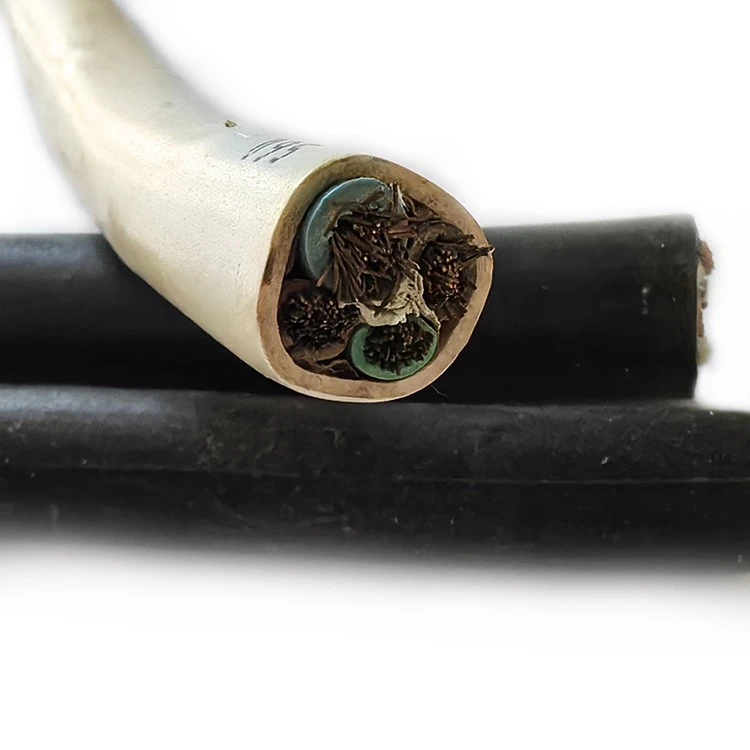
Another advantage of XLPE insulation is its resistance to moisture and chemicals. Moisture can cause electrical breakdown in insulation materials, so it is important for high-voltage power cables to have insulation that is resistant to moisture. XLPE insulation has a low water absorption rate, which helps to prevent moisture from penetrating the insulation and causing damage. Additionally, XLPE insulation is resistant to a wide range of chemicals, which makes it suitable for use in harsh environments.
XLPE insulation is commonly used in underground and submarine high-voltage power cables, as well as in overhead power lines. It is also used in industrial applications, such as power generation plants and substations. Overall, XLPE insulation is a reliable and cost-effective insulation material that offers excellent performance in high-voltage power cables.
Ethylene Propylene Rubber (EPR) Insulation
Ethylene propylene rubber (EPR) is another popular insulation material used in high-voltage power cables. It is a synthetic rubber that is made from a copolymer of ethylene and propylene. EPR insulation offers several advantages, including high flexibility, excellent electrical properties, and resistance to ozone and weathering.
One of the key benefits of EPR insulation is its high flexibility, which makes it easy to install in high-voltage power cables. This is particularly important in applications where the cables need to be bent or routed around obstacles. Additionally, EPR insulation has excellent electrical properties, including high dielectric strength and low dielectric loss. This means it can effectively prevent electrical breakdown and ensure efficient power transmission.
Another advantage of EPR insulation is its resistance to ozone and weathering. Ozone can cause degradation of insulation materials, so it is important for high-voltage power cables to have insulation that is resistant to ozone. EPR insulation has excellent resistance to ozone, which helps to prevent damage to the insulation and ensure long-term reliability. Additionally, EPR insulation is resistant to weathering, which means it can maintain its electrical properties even in harsh outdoor environments.
EPR insulation is commonly used in high-voltage power cables for industrial and commercial applications, as well as in overhead power lines. It is also used in applications where flexibility is required, such as in mobile power equipment. Overall, EPR insulation is a versatile and reliable insulation material that offers excellent performance in high-voltage power cables.
Oil-Impregnated Paper Insulation
Oil-impregnated paper insulation has been used in high-voltage power cables for many years. It consists of layers of paper that are impregnated with insulating oil. This type of insulation offers several advantages, including high dielectric strength, good thermal conductivity, and long service life.
One of the main benefits of oil-impregnated paper insulation is its high dielectric strength. The combination of paper and oil provides a high level of insulation, allowing the cable to withstand high voltages. Additionally, the oil helps to dissipate heat generated during operation, which is important for maintaining the cable's performance.
Another advantage of oil-impregnated paper insulation is its long service life. When properly maintained, cables with this type of insulation can last for several decades. However, oil-impregnated paper insulation also has some drawbacks. It requires regular maintenance to ensure the integrity of the insulation, and there is a risk of oil leakage, which can be environmentally hazardous.
Oil-impregnated paper insulation is commonly used in high-voltage power cables for underground and submarine applications. It is also used in some older power transmission systems. Despite its limitations, oil-impregnated paper insulation remains a reliable option for certain high-voltage applications.
Gas Insulation
Gas insulation is a relatively new technology that is being increasingly used in high-voltage power cables. It involves using a gas, such as sulfur hexafluoride (SF6), as the insulating medium. Gas insulation offers several advantages, including high dielectric strength, excellent thermal properties, and compact design.
One of the key benefits of gas insulation is its high dielectric strength. SF6 gas has a much higher dielectric strength than air, which allows the cable to operate at higher voltages. Additionally, gas insulation has excellent thermal properties, which means it can effectively dissipate heat generated during operation. This is important for maintaining the cable's performance and preventing overheating.
Another advantage of gas insulation is its compact design. Gas-insulated cables can be made smaller and lighter than cables with other types of insulation, which makes them easier to install and transport. This is particularly beneficial in applications where space is limited, such as in urban areas.
Gas insulation is commonly used in high-voltage power cables for indoor and outdoor applications, as well as in gas-insulated switchgear. It is also used in some high-voltage transmission systems. Overall, gas insulation is a promising technology that offers excellent performance and reliability in high-voltage power cables.
Conclusion
In conclusion, there are several types of insulation used in high-voltage power cables, each with its own unique characteristics and applications. Cross-linked polyethylene (XLPE) insulation is a popular choice due to its high dielectric strength, excellent thermal stability, and resistance to moisture and chemicals. Ethylene propylene rubber (EPR) insulation offers high flexibility, excellent electrical properties, and resistance to ozone and weathering. Oil-impregnated paper insulation has a long history of use and provides high dielectric strength and good thermal conductivity. Gas insulation is a relatively new technology that offers high dielectric strength, excellent thermal properties, and a compact design.
As a high-voltage power cable supplier, we offer a wide range of cables with different types of insulation to meet the specific needs of our customers. Whether you need cables for underground, submarine, overhead, or industrial applications, we can provide you with the right solution. If you are interested in learning more about our high-voltage power cables or would like to discuss your specific requirements, please feel free to [contact us for procurement and negotiation]. We look forward to working with you to provide you with the best high-voltage power cable solutions.
References
- "High Voltage Cable Engineering" by John J. Burke
- "Power Cable Technology" by J. P. Armand
- "Insulation Materials for High-Voltage Cables" by IEEE Power and Energy Society