

Can an indoor strip cable be used in a radioactive environment? That's a question I've been getting a lot lately as an indoor strip cable supplier. Let's dive into this topic and figure out what's what.
First off, let's talk about what indoor strip cables are. These are the cables you usually see in your homes or offices, used to connect multiple electrical devices to a power source. They come in all shapes and sizes, like the Outdoor Extension Cord with Surge Protector, which is great for those times when you need to use your devices outside while also protecting them from power surges. Then there's the USB Only Power Strip, perfect for charging your phones, tablets, and other USB - powered gadgets. And if you're on the go, the Travel Extension Cord with USB is a handy option.
Now, let's get to the main question: can these indoor strip cables be used in a radioactive environment? Well, it's not that simple. Radioactive environments are full of ionizing radiation, which can have some pretty serious effects on materials.
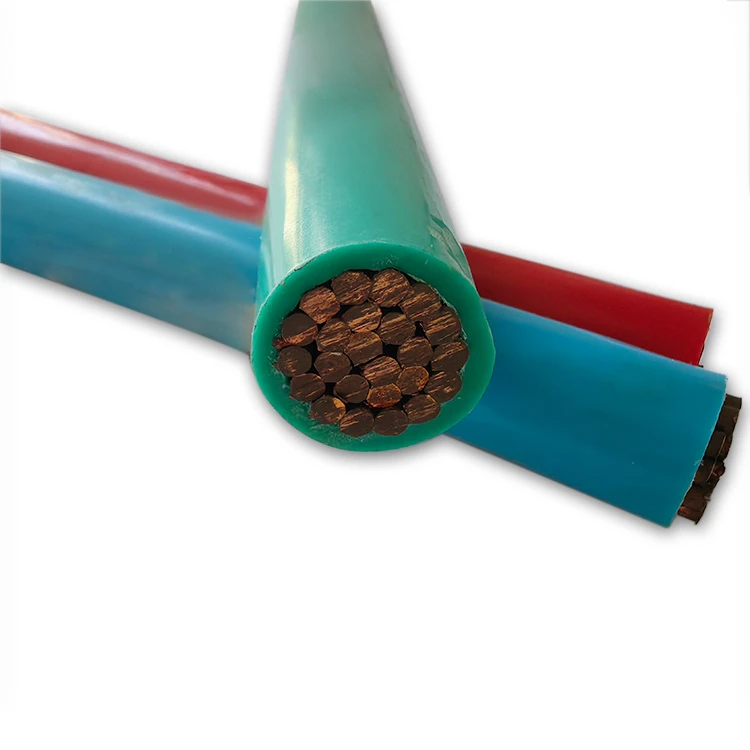
Ionizing radiation, like alpha, beta, and gamma rays, can break chemical bonds in the materials that make up the cable. For indoor strip cables, this means the insulation and the conductors can be affected. The insulation is there to keep the electrical current flowing safely through the cable and to prevent short - circuits. When exposed to radiation, the insulation can start to degrade. It might become brittle, crack, or lose its insulating properties. This is a huge problem because it can lead to electrical leaks, short - circuits, and even fires.
The conductors in the cable can also be affected. Radiation can cause changes in the electrical conductivity of the metal. It might increase the resistance, which means the cable will heat up more when current flows through it. Over time, this can damage the cable further and reduce its lifespan.
Most indoor strip cables are not designed to withstand the harsh conditions of a radioactive environment. They're made with materials that are cost - effective and suitable for normal indoor use. For example, the insulation is often made of PVC (polyvinyl chloride), which is a common and inexpensive material. But PVC is not very resistant to radiation. When exposed to high levels of radiation, it will start to break down much faster than in a normal environment.
However, there are some cases where an indoor strip cable might be used in a low - level radioactive environment for a short period. If the radiation levels are very low and the exposure time is limited, the damage to the cable might be minimal. But this is a risky move. You'd have to constantly monitor the cable for any signs of damage, like cracking or discoloration of the insulation.
So, what's the alternative? If you need to use electrical cables in a radioactive environment, you should look for cables that are specifically designed for that purpose. These radiation - resistant cables are made with special materials that can withstand the effects of ionizing radiation. They have better insulation and conductors that are less likely to be damaged by radiation.
As an indoor strip cable supplier, I always recommend using the right cable for the right job. Using an indoor strip cable in a radioactive environment is like using a regular car tire on a race track. It might work for a little while, but it's not going to last, and it could lead to some serious problems.
If you're working in a radioactive environment and need electrical cables, don't take chances with indoor strip cables. Invest in the proper radiation - resistant cables. They might cost a bit more upfront, but they'll save you a lot of headaches in the long run.
If you're in the market for indoor strip cables for normal indoor use, we've got a great selection. Our cables are high - quality, reliable, and come at a reasonable price. Whether you need a power strip for your home office or a travel cord for your next trip, we've got you covered.

If you have any questions about our products or need advice on which cable is right for you, don't hesitate to reach out. We're here to help you make the best choice for your electrical needs. Contact us to start a procurement discussion and find the perfect cable solution for you.
References
- "Effects of Ionizing Radiation on Polymers" by Radiation Physics and Chemistry journal
- "Electrical Cable Materials and Their Properties" by a leading electrical engineering textbook