

Hey there! As a supplier of low-voltage power cables, I've seen firsthand the importance of shielding in these cables. Shielding plays a crucial role in protecting the cable from external interference and ensuring reliable performance. In this blog post, I'm gonna break down the different types of shielding used in low-voltage power cables.
1. Metallic Foil Shielding
Metallic foil shielding is one of the most common types of shielding used in low-voltage power cables. It consists of a thin layer of metal foil, usually aluminum or copper, wrapped around the cable conductors. This foil acts as a barrier, blocking electromagnetic interference (EMI) and radio frequency interference (RFI) from entering or leaving the cable.
The advantage of metallic foil shielding is its high shielding effectiveness, especially at high frequencies. It's also relatively lightweight and flexible, making it easy to install. However, it can be prone to tearing or puncturing during installation, which can reduce its shielding performance.
We offer various low-voltage power cables with metallic foil shielding, like the Red and Black Low Voltage Wire. This wire is great for a wide range of applications where EMI and RFI protection is needed.
2. Braided Shielding
Braided shielding is another popular option for low-voltage power cables. It's made up of a mesh of fine metal wires, typically copper or tinned copper, woven around the cable conductors. The braided structure provides good flexibility and mechanical protection, as well as effective shielding against EMI and RFI.
One of the key benefits of braided shielding is its durability. The braided design can withstand bending, twisting, and pulling without losing its shielding effectiveness. It also offers better coverage than metallic foil shielding, especially at lower frequencies.
Our 3 Core Low Voltage Cable comes with braided shielding. This cable is suitable for applications that require reliable power transmission and protection against interference.
3. Spiral Shielding
Spiral shielding is a less common but still effective type of shielding for low-voltage power cables. It involves wrapping a single metal wire or strip around the cable conductors in a spiral pattern. This creates a continuous shield that can block EMI and RFI.
Spiral shielding offers good flexibility and is relatively easy to manufacture. It's also cost-effective compared to braided shielding. However, its shielding effectiveness may be lower than that of braided or metallic foil shielding, especially at higher frequencies.
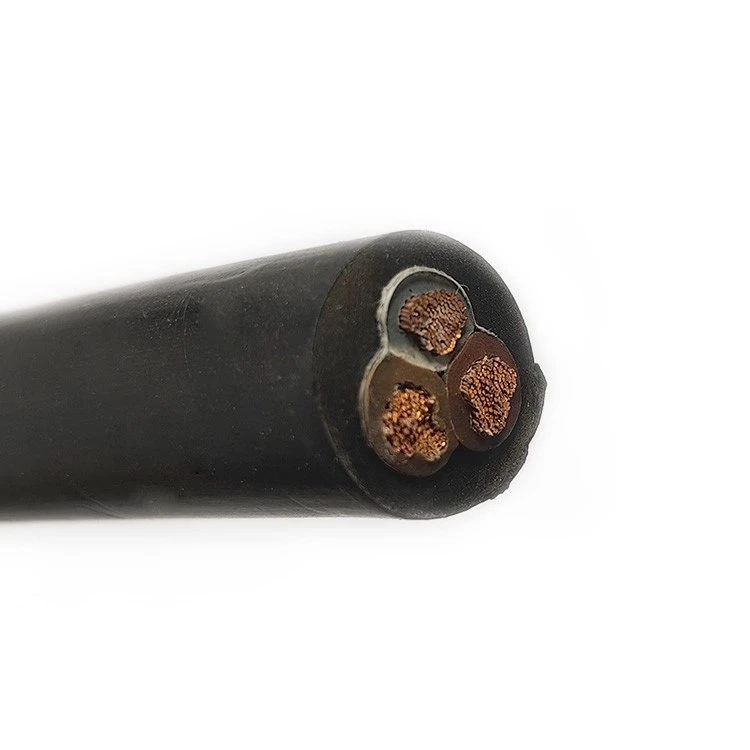

We have some low-voltage power cables with spiral shielding, such as the 12v Low Voltage Control Wire. This wire is ideal for control circuits where some level of shielding is required.
4. Combination Shielding
In some cases, a combination of different shielding types may be used to achieve the best possible performance. For example, a cable may have both metallic foil shielding and braided shielding. The metallic foil provides high-frequency shielding, while the braided shield offers better low-frequency protection and mechanical strength.
Combination shielding can be more expensive than single-layer shielding, but it offers superior performance in environments with high levels of EMI and RFI.
Factors to Consider When Choosing Shielding
When choosing the right shielding for your low-voltage power cable, there are several factors to consider:
- Frequency Range: Different shielding types have different effectiveness at different frequencies. Make sure to choose a shielding that can provide adequate protection for the frequency range of your application.
- Environmental Conditions: If the cable will be exposed to harsh environmental conditions, such as moisture, chemicals, or extreme temperatures, you'll need a shielding that can withstand these conditions.
- Flexibility Requirements: If the cable needs to be bent or moved frequently, you'll want a shielding that can maintain its effectiveness even under mechanical stress.
- Cost: The cost of the shielding can vary depending on the type and material. Consider your budget when making your decision.
Why Choose Our Low-Voltage Power Cables
As a supplier of low-voltage power cables, we're committed to providing high-quality products that meet the needs of our customers. Our cables are manufactured using the latest technology and the highest quality materials, ensuring reliable performance and long service life.
We offer a wide range of low-voltage power cables with different types of shielding to suit various applications. Whether you need a cable for a small residential project or a large industrial installation, we've got you covered.
If you're in the market for low-voltage power cables, don't hesitate to get in touch with us. We'd be happy to discuss your requirements and help you choose the right cable for your project. Contact us today to start the conversation and let's work together to find the perfect solution for your power cable needs.
References
- Grob, Bernard. "Grob's Basic Electronics." McGraw-Hill Education, 2007.
- Neaman, David A. "Microelectronic Circuits." Oxford University Press, 2019.