

When it comes to using electrical power cords, safety should always be the top priority. As a trusted electrical power cord supplier, I've seen firsthand the importance of proper usage and maintenance of these essential items. In this blog post, I'll share some crucial safety precautions that everyone should follow when using electrical power cords.
Choose the Right Power Cord
The first step in ensuring safety is selecting the appropriate power cord for your needs. Not all power cords are created equal, and using the wrong one can lead to overheating, short circuits, and even electrical fires.
For general household use, a standard Best Power Extension Cord is usually sufficient. These cords are designed to handle typical household appliances such as lamps, chargers, and small electronics. However, if you're using high - wattage appliances like heaters, air conditioners, or large power tools, you'll need a heavier - duty cord.
A 12 Gauge Appliance Extension Cord is a great choice for high - power appliances. The gauge of a cord refers to its thickness; a lower gauge number means a thicker wire. Thicker wires can carry more current without overheating, reducing the risk of electrical problems.
If you're using a portable generator, it's essential to use Portable Generator Extension Cords. These cords are specifically designed to handle the unique electrical characteristics of generators and are built to be more durable and weather - resistant.
Inspect the Power Cord Regularly
Before each use, it's crucial to inspect the power cord for any signs of damage. Look for frayed wires, cuts, kinks, or exposed insulation. Even a small nick in the insulation can expose the live wires, increasing the risk of electric shock.
If you notice any damage to the power cord, do not use it. Instead, replace it immediately with a new, undamaged cord. Ignoring damaged cords is extremely dangerous and can lead to serious accidents.
It's also a good idea to check the plug and the socket for any signs of wear or damage. Loose plugs can cause arcing, which can generate heat and potentially start a fire. Make sure the plug fits snugly into the socket and that there are no signs of discoloration or melting around the plug or socket.
Avoid Overloading the Power Cord
Overloading a power cord is one of the most common causes of electrical fires. Each power cord has a maximum amperage rating, which indicates the amount of electrical current it can safely carry. Exceeding this rating can cause the cord to overheat, leading to insulation damage and potentially starting a fire.
To avoid overloading, calculate the total wattage of all the appliances you plan to connect to the power cord. You can find the wattage of an appliance on its nameplate or in the user manual. Then, make sure the total wattage does not exceed the maximum wattage rating of the power cord.
For example, if you have a power cord with a maximum rating of 15 amps and a voltage of 120 volts, its maximum wattage is 15 amps x 120 volts = 1800 watts. If you connect appliances with a total wattage of more than 1800 watts to this cord, you're overloading it.
It's also important not to daisy - chain multiple power strips or extension cords together. This can increase the risk of overloading and also make it more difficult to detect and address potential problems.
Use Power Cords in the Right Environment
The environment in which you use a power cord can also affect its safety. For indoor use, make sure the power cord is kept away from water, heat sources, and sharp objects. Water can conduct electricity, increasing the risk of electric shock, while heat sources can damage the insulation of the cord.
If you need to use a power cord outdoors, make sure it is designed for outdoor use. Outdoor power cords are typically more durable and weather - resistant, with features such as thicker insulation and water - resistant jackets. Using an indoor power cord outdoors can expose it to moisture, sunlight, and other environmental factors that can damage the cord and increase the risk of electrical problems.
Proper Storage of Power Cords
Proper storage of power cords is also important for their safety and longevity. When not in use, power cords should be stored in a cool, dry place. Avoid coiling the cords too tightly, as this can cause kinks and damage the insulation over time.
Instead, loosely coil the cords and secure them with a twist tie or a cord organizer. This will help prevent damage to the cord and make it easier to use the next time you need it.
Be Cautious with DIY Repairs
While it may be tempting to try and repair a damaged power cord yourself, it's generally not recommended. Electrical repairs require specialized knowledge and tools, and improper repairs can actually increase the risk of electrical problems.
If you have a damaged power cord, it's best to replace it with a new one. If you're unsure about the safety of a power cord or have any questions about electrical safety, it's always a good idea to consult a qualified electrician.
Training and Education
Finally, it's important to educate yourself and others about the proper use and safety of power cords. Make sure everyone in your household or workplace knows the basic safety precautions and understands the risks associated with using electrical power cords.
Provide training on how to inspect power cords, how to avoid overloading, and what to do in case of an electrical emergency. By promoting electrical safety awareness, you can help prevent accidents and keep everyone safe.

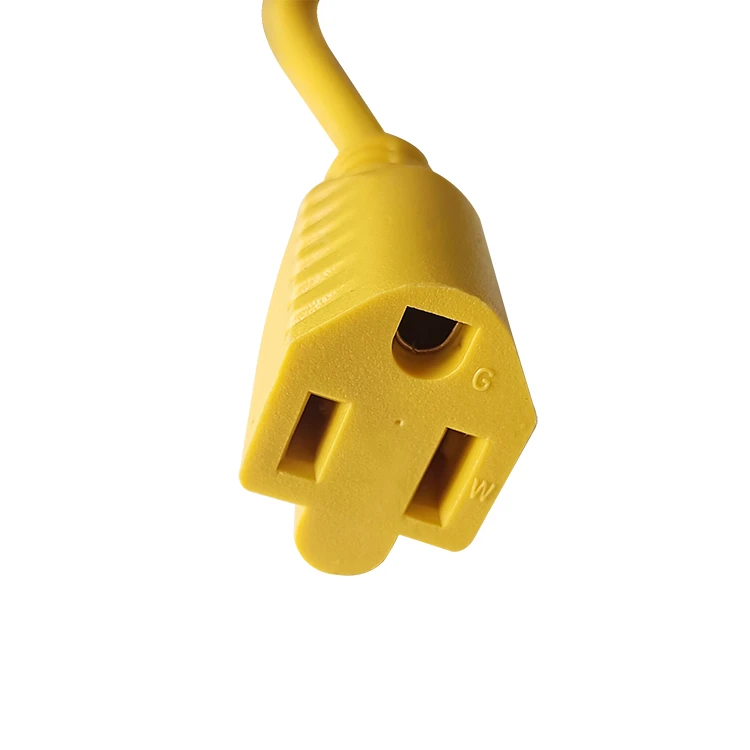
In conclusion, using electrical power cords safely is essential for preventing electrical accidents and fires. By choosing the right power cord, inspecting it regularly, avoiding overloading, using it in the right environment, storing it properly, being cautious with DIY repairs, and providing training and education, you can ensure the safe use of power cords.
If you're in the market for high - quality, safe electrical power cords, we're here to help. As a leading electrical power cord supplier, we offer a wide range of power cords to meet your needs. Whether you need a standard extension cord for your home or a heavy - duty cord for your industrial equipment, we have the right solution for you. Contact us today to discuss your requirements and start a procurement negotiation.
References
- National Fire Protection Association. (2023). Electrical Safety.
- Occupational Safety and Health Administration. (2023). Electrical Safety Standards.