

In the realm of electrical and mechanical equipment, the mechanical power cord stands as an unsung hero, facilitating the seamless transfer of electrical energy from a power source to a wide array of devices. As a dedicated mechanical power cord supplier, I've witnessed firsthand the diverse and crucial roles these cords play in various settings. In this blog post, I'll explore the common uses of mechanical power cords, highlighting their significance in different industries and everyday life.
Residential Use
One of the most common places to find mechanical power cords is in our homes. From powering small appliances to larger electronics, these cords are essential for keeping our daily lives running smoothly.
Small Appliances
In the kitchen, mechanical power cords are used to connect appliances such as blenders, toasters, and coffee makers to the electrical outlet. These cords are typically designed to handle the relatively low power requirements of small appliances, ensuring safe and efficient operation. For example, a blender might require a power cord that can handle 500 - 1000 watts of power, depending on its motor size. The flexibility and durability of the cord are also important factors, as they need to withstand regular use and movement.
Electronics
Televisions, computers, and gaming consoles all rely on mechanical power cords to receive electricity. These cords are often equipped with specialized connectors to ensure a secure and stable connection. For instance, a computer power cord might have a three - prong plug that provides grounding for safety, while a TV power cord could be designed to fit snugly into the back of the television set. The length of the cord is also a consideration, especially in larger rooms where the device may be located some distance from the outlet.
Lighting
Lamps and other lighting fixtures are another common application for mechanical power cords. Whether it's a bedside lamp or a ceiling fan with a light kit, these cords are responsible for delivering power to the bulbs. They come in various lengths and styles, allowing for different placement options within a room. Some lighting cords are designed to be hidden for a more aesthetically pleasing look, while others are more visible and can add a decorative element to the space.
Commercial Use
In commercial settings, mechanical power cords are used on a much larger scale and are often required to meet more stringent safety and performance standards.
Office Equipment
Offices are filled with a variety of equipment that relies on mechanical power cords. Printers, copiers, and fax machines all need a reliable power source to function. These cords are typically designed to handle the continuous operation of these devices, which may run for long hours throughout the day. Additionally, many office power cords are designed to be neat and organized, with features such as cable management systems to prevent tangling and tripping hazards.
Retail Stores
In retail environments, power cords are used to operate cash registers, point - of - sale systems, and display lighting. These cords need to be durable and resistant to damage, as they may be subject to frequent movement and handling. For example, a cash register power cord might be pulled out and plugged in multiple times a day, so it needs to have a strong connection and a long lifespan. Retailers also often look for cords that are aesthetically pleasing, as they contribute to the overall look of the store.
Restaurants and Food Service
Restaurants rely on mechanical power cords to operate a wide range of equipment, including refrigerators, freezers, ovens, and coffee machines. These cords are exposed to a variety of conditions, such as moisture, heat, and grease, so they need to be made from materials that can withstand these elements. For example, a refrigerator power cord might be made of a waterproof and heat - resistant material to ensure safe operation in a kitchen environment. The power requirements for these commercial appliances are also much higher than those of residential ones, so the cords need to be able to handle the increased load.
Industrial Use
In industrial settings, mechanical power cords are used to power heavy - duty machinery and equipment, and they must be able to withstand extreme conditions.
Manufacturing
Factories use a vast array of machinery, such as conveyor belts, CNC machines, and welding equipment, all of which require mechanical power cords. These cords are often very thick and heavy - duty, as they need to carry large amounts of electricity over long distances. For example, a large - scale manufacturing plant might have power cords that are several hundred feet long and capable of handling thousands of watts of power. The insulation on these cords is also critical, as it protects against electrical shocks and short circuits in a high - voltage environment.
Construction
Construction sites are another area where mechanical power cords are essential. Power tools such as drills, saws, and compressors rely on these cords to operate. The cords used in construction need to be rugged and able to withstand rough handling, as they are often dragged across the ground, stepped on, and exposed to dust and debris. They also need to be flexible enough to be easily maneuvered around the construction site. For instance, a cord for a portable drill might need to be long enough to reach different areas of a building under construction.
Mining
In the mining industry, mechanical power cords are used to power equipment such as pumps, ventilation fans, and underground vehicles. These cords need to be able to operate in harsh conditions, including high humidity, extreme temperatures, and the presence of explosive gases. Specialized cords are designed to meet these requirements, with features such as flame - retardant insulation and explosion - proof connectors. For example, a power cord for an underground mining vehicle might be designed to be resistant to abrasion and chemicals, as well as being able to withstand the vibrations and shocks associated with the vehicle's operation.
Specialized Applications
There are also some specialized uses for mechanical power cords that are worth mentioning.
Generators
Generators are often used as a backup power source during power outages or in remote locations. A 14 50r Generator Cord is a common type of cord used to connect a generator to the electrical system of a building or to power specific appliances. These cords are designed to handle the high - amperage output of the generator and are often color - coded for easy identification. They need to be able to withstand the intermittent power surges that can occur when a generator is starting up or shutting down.
Custom - Built Machines
For custom - built machines, a Custom Best Power Cord for Machine may be required. These cords are tailored to the specific power requirements and design of the machine. They can be made with unique connectors, lengths, and insulation materials to ensure optimal performance. For example, a custom - built industrial machine might require a power cord with a special shape or size to fit into a specific space within the machine's housing.
Multiple - Outlet Extensions
When additional outlets are needed, an Extension Cord with Multiple Spaced Outlets can be used. These cords are useful in situations where there are not enough available outlets in a room or area. They allow multiple devices to be plugged in at once, but it's important to ensure that the cord is rated for the total power load of all the connected devices. Overloading an extension cord can lead to overheating and potential fire hazards.
Conclusion
As a mechanical power cord supplier, I understand the importance of providing high - quality cords that meet the diverse needs of our customers. Whether it's for residential, commercial, industrial, or specialized applications, our cords are designed to be safe, reliable, and durable.

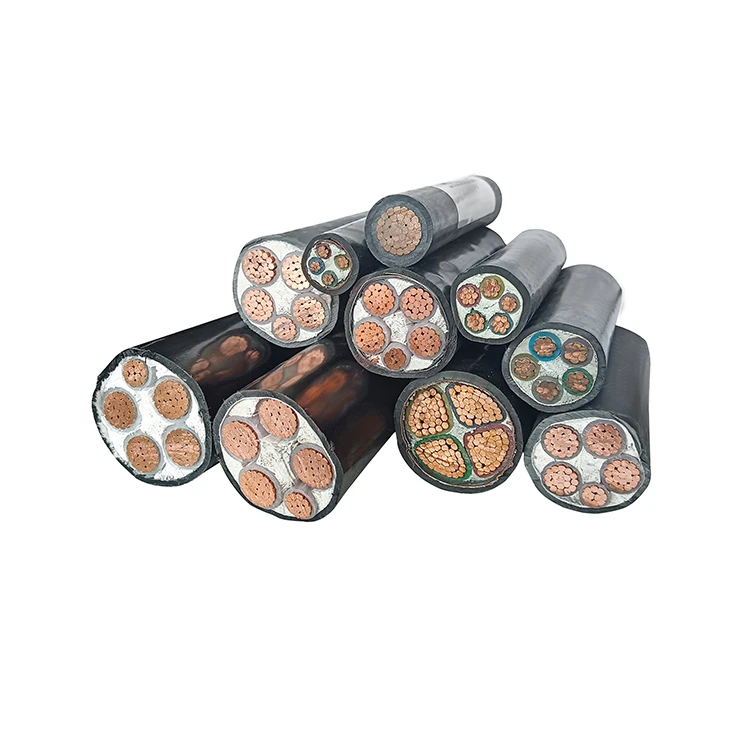
If you're in the market for mechanical power cords, I encourage you to reach out to us for more information. We can help you select the right cord for your specific requirements, whether it's a standard off - the - shelf product or a custom - designed solution. Our team of experts is ready to assist you with any questions you may have about power cords, including their specifications, installation, and maintenance. Contact us today to start the procurement process and find the perfect mechanical power cord for your needs.
References
- Electrical Safety Foundation International. (2023). Electrical Safety in the Home and Workplace.
- National Fire Protection Association. (2023). NFPA 70: National Electrical Code.
- Underwriters Laboratories. (2023). UL Standards for Electrical Equipment and Cords.