

Labeling mechanical branch cables is a critical task that significantly impacts the efficiency, safety, and maintenance of electrical systems. As a seasoned mechanical branch cable supplier, I've witnessed firsthand the challenges and benefits associated with proper cable labeling. In this blog, I'll share some practical tips on how to label mechanical branch cables for easy identification.
Understanding the Importance of Cable Labeling
Before delving into the labeling process, it's essential to understand why cable labeling is so important. In a complex electrical system, mechanical branch cables are often numerous and can be easily confused. Proper labeling helps electricians and maintenance personnel quickly identify cables, reducing the time spent on troubleshooting and maintenance. It also enhances safety by minimizing the risk of accidental contact with live wires during maintenance or repairs.
Selecting the Right Labeling Materials
The first step in labeling mechanical branch cables is to choose the right materials. The labels should be durable, resistant to environmental factors such as heat, moisture, and chemicals, and able to withstand physical abrasion. Some common materials used for cable labeling include vinyl, polyester, and nylon.
- Vinyl Labels: Vinyl labels are cost - effective and offer good adhesion to cable surfaces. They are available in a variety of colors and can be printed with text, barcodes, or other symbols. However, they may not be as durable as other materials in harsh environments.
- Polyester Labels: Polyester labels are more durable than vinyl labels. They have excellent resistance to heat, moisture, and chemicals, making them suitable for use in industrial settings. Polyester labels can also be printed with high - quality graphics and text.
- Nylon Labels: Nylon labels are the most durable option. They are resistant to extreme temperatures, abrasion, and chemicals. Nylon labels are often used in high - stress applications where long - term durability is required.
Designing Clear and Informative Labels
Once you've selected the labeling materials, the next step is to design the labels. The labels should be clear, concise, and easy to read from a distance. Here are some key elements to include on the labels:
- Cable Identification Number: Assign a unique identification number to each cable. This number can be used to track the cable throughout its lifecycle, from installation to maintenance and replacement.
- Cable Specification: Include information about the cable's specifications, such as its size, voltage rating, and insulation type. This information is crucial for ensuring that the cable is used correctly and safely.
- Destination and Source: Indicate the cable's destination and source. This helps electricians quickly identify where the cable is going and where it's coming from, which is especially useful during troubleshooting.
- Date of Installation: Record the date of installation on the label. This information can be used to determine the cable's age and when it may need to be replaced.
Labeling Techniques
There are several techniques for applying labels to mechanical branch cables. The choice of technique depends on the type of cable, the labeling material, and the application.
- Self - Adhesive Labels: Self - adhesive labels are the most common type of cable labels. They are easy to apply and can be used on a variety of cable surfaces. To apply self - adhesive labels, simply peel off the backing and press the label onto the cable. Make sure the label is smooth and free of air bubbles.
- Heat - Shrink Labels: Heat - shrink labels are a more permanent option. They are made of a heat - shrinkable material that conforms to the shape of the cable when heated. Heat - shrink labels provide excellent protection against moisture, abrasion, and chemicals. To apply heat - shrink labels, slide the label onto the cable and use a heat gun to shrink it into place.
- Cable Ties with Labels: Cable ties with labels are a convenient option for labeling multiple cables. They are easy to install and can be removed or replaced if necessary. To use cable ties with labels, simply attach the cable tie to the cable and write the necessary information on the label.
Organizing and Documenting Cable Labels
In addition to labeling the cables themselves, it's important to organize and document the cable labels. Create a cable labeling database that includes information about each cable, such as its identification number, location, and specifications. This database can be used to track the cables and to generate reports for maintenance and regulatory compliance.
Industry Standards and Best Practices
When labeling mechanical branch cables, it's important to follow industry standards and best practices. Standards such as the National Electrical Code (NEC) provide guidelines for cable labeling to ensure safety and consistency. Adhering to these standards not only helps prevent accidents but also makes it easier to comply with regulatory requirements.
Real - World Applications
Let's take a look at some real - world applications of cable labeling. In a manufacturing plant, proper cable labeling can help maintenance teams quickly identify and repair faulty cables, minimizing downtime. In a data center, clear cable labeling ensures that network cables are properly connected and maintained, improving network reliability.
Conclusion
Labeling mechanical branch cables for easy identification is a crucial aspect of electrical system management. By selecting the right labeling materials, designing clear and informative labels, using appropriate labeling techniques, and organizing and documenting the labels, you can improve the efficiency, safety, and maintenance of your electrical systems.
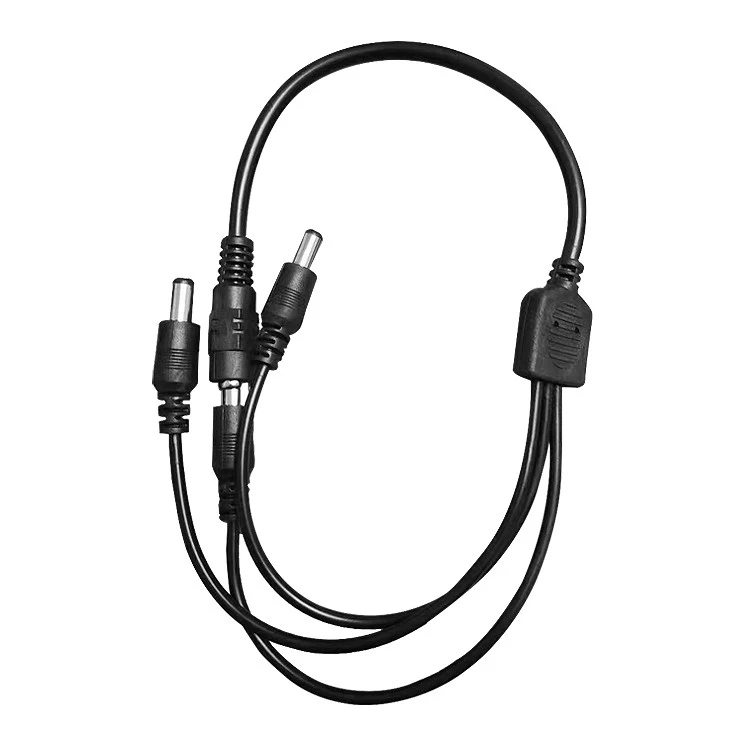

As a mechanical branch cable supplier, we offer a wide range of high - quality cables, including Machine Branch Circuit Wire, High Quality Machine Branch Circuit Wire, and Underground Feeder and Branch Circuit Cable. If you're interested in learning more about our products or need assistance with cable labeling, please feel free to contact us for procurement and further discussion.
References
- National Electrical Code (NEC)
- Cable Labeling Guidelines from Industry Associations