

When it comes to jump - starting a vehicle, automotive battery jumper cables are an essential tool. As a supplier of automotive battery jumper cables, I understand the challenges customers face when choosing between different brands. In this blog, I'll share some insights to help you make an informed decision.
1. Gauge of the Cables
The gauge of the jumper cables is a crucial factor. It refers to the thickness of the cable's conductors. A lower gauge number means a thicker cable. Thicker cables can carry more electrical current. For smaller cars with standard batteries, a 10 - gauge or 8 - gauge cable might be sufficient. However, for larger vehicles like trucks and SUVs, you'll need a lower gauge, such as 4 - gauge or even 2 - gauge cables.
For example, if you have a heavy - duty truck, using a 2 - gauge cable will ensure that enough power is transferred quickly to start the engine. Our Best Heavy Duty Jumper Cables for Trucks are designed with a low - gauge specification to meet the high - current requirements of large vehicles. Poorly gauged cables may not provide enough juice to start the vehicle, or they could overheat during the jump - starting process, posing a safety risk.
2. Length of the Cables
The length of the jumper cables matters, especially in real - world situations. If the cables are too short, you may face difficulties in connecting the donor and recipient batteries, especially if the vehicles are parked in an awkward position. On the other hand, overly long cables can lead to power loss over the distance.
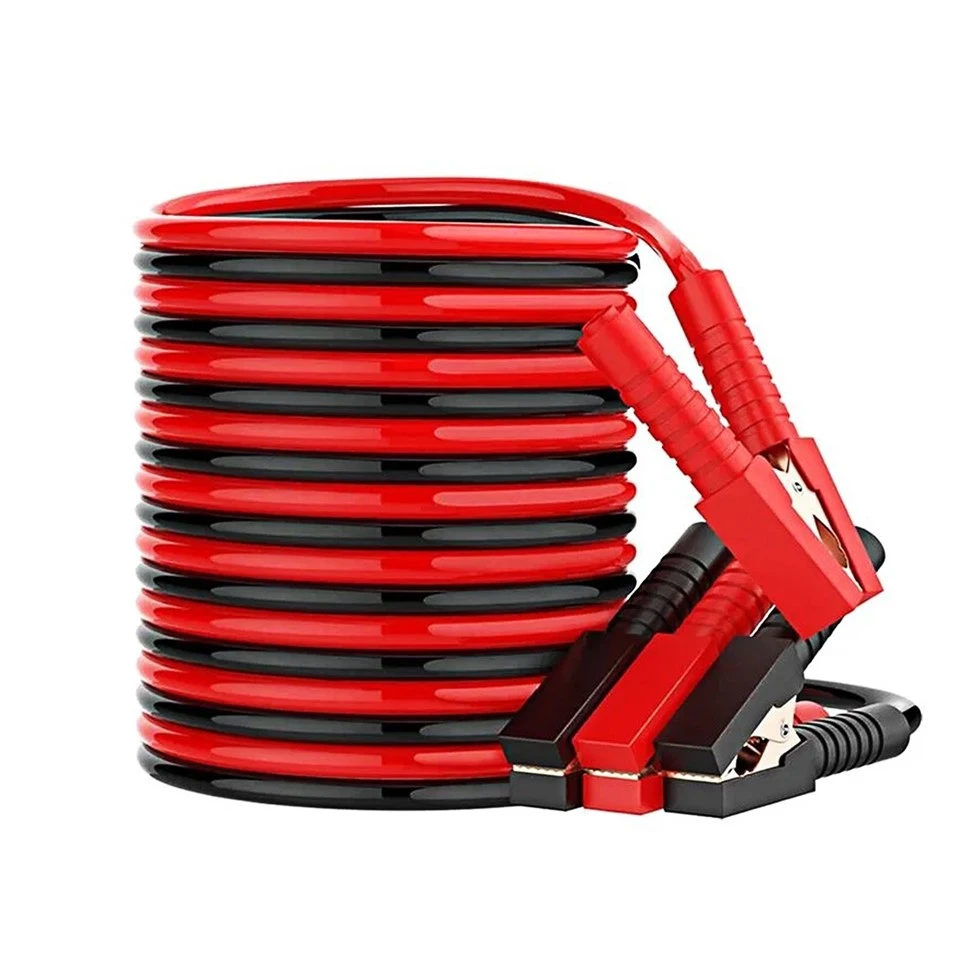
A length of 10 - 12 feet is generally a good balance. This length allows you to position the vehicles at a reasonable distance while still being able to connect the batteries easily. Our Heavy Duty Car Battery Jumper comes in various lengths, including the popular 10 - foot option, which provides flexibility without sacrificing too much power.
3. Quality of the Clamps
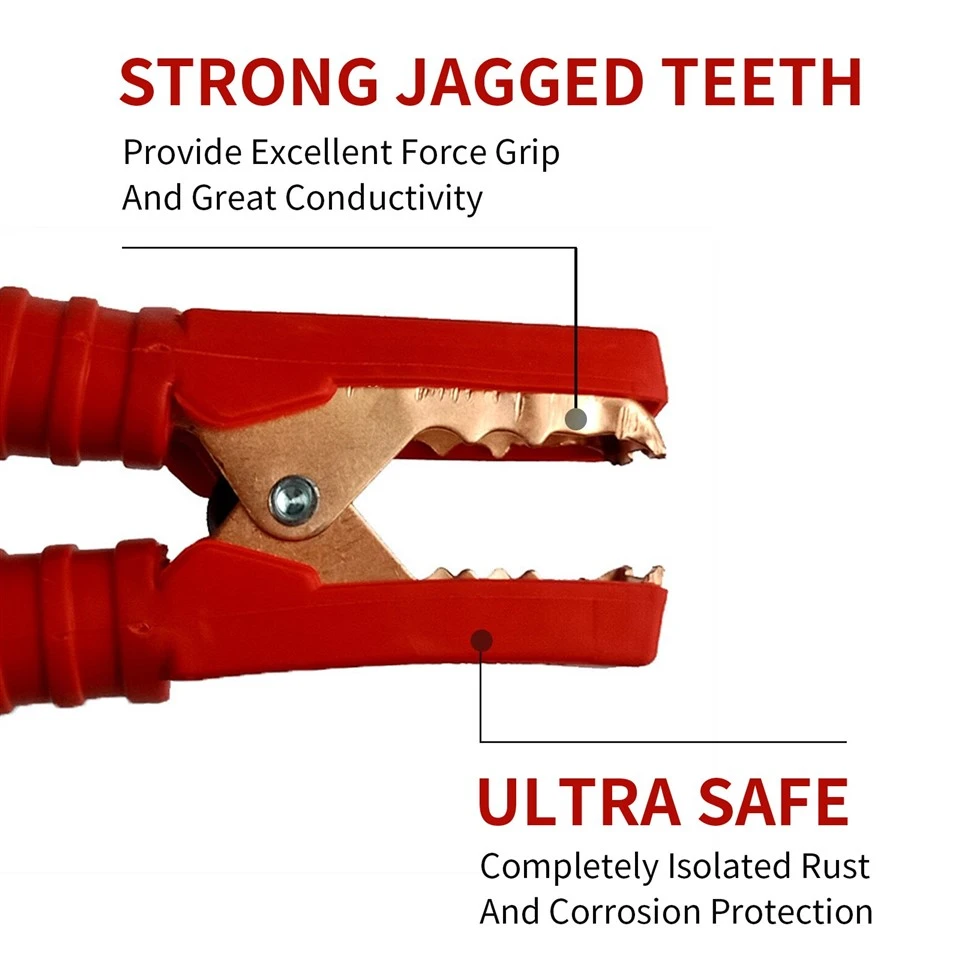
The clamps are the part of the jumper cables that connect to the battery terminals. High - quality clamps are essential for a good electrical connection. Look for clamps that are made of durable materials, such as copper or brass. These metals are good conductors of electricity.
The clamps should also have a strong grip. A loose connection can result in arcing, which is not only dangerous but can also prevent the proper transfer of power. Some clamps come with teeth or ridges to ensure a better hold on the battery terminals. Our products are equipped with top - notch clamps that are designed to provide a secure and reliable connection every time.
4. Insulation of the Cables
The insulation on the jumper cables protects you from electrical shock and also prevents short - circuits. Good insulation should be thick and made of a durable material, such as PVC. The insulation should cover the entire length of the cable, including the areas near the clamps.
Inspect the insulation for any signs of damage, such as cracks or cuts. Damaged insulation can expose the conductors, which is extremely dangerous. Our cables are built with high - quality insulation that can withstand wear and tear, ensuring your safety during the jump - starting process.
5. Brand Reputation
Brand reputation plays a significant role in your decision - making process. A well - established brand is more likely to have a track record of producing reliable products. Look for brands that have been in the market for a long time and have positive customer reviews.
Research online to see what other users have to say about different brands. Brands that offer warranties on their products are also a good sign. It shows that they stand behind the quality of their goods. As a supplier, we take pride in our brand's reputation for providing high - quality automotive battery jumper cables.
6. Price
Price is always a consideration when making a purchase. While it's tempting to go for the cheapest option, remember that you often get what you pay for. Low - cost cables may be made of inferior materials, which can lead to performance issues and safety concerns.
However, this doesn't mean you have to break the bank. There are many mid - range options that offer a good balance between quality and price. Compare prices from different brands, but also consider the features and quality of the cables. Our Best Portable Jumper Cables offer excellent value for money, providing high - quality performance at a reasonable price.
7. Additional Features
Some jumper cables come with additional features that can enhance their functionality. For example, some cables have built - in fuses to protect against over - current. This can prevent damage to the vehicle's electrical system in case of a short - circuit.
Others may have LED lights on the clamps, which can be very useful in low - light conditions. These lights make it easier to see the battery terminals and ensure a proper connection. Consider whether these additional features are worth the extra cost for you.
Making the Right Choice
Choosing between different brands of automotive battery jumper cables requires careful consideration of the factors mentioned above. As a supplier, we are committed to providing you with the best products that meet your needs. Our cables are designed with high - quality materials, proper gauges, and reliable clamps to ensure a safe and effective jump - starting experience.
If you're in the market for automotive battery jumper cables, we encourage you to explore our product range. We offer a variety of options to suit different vehicle types and user requirements. Whether you need heavy - duty cables for your truck or portable cables for your daily commute, we have the right solution for you.
If you have any questions or would like to discuss your specific needs, please feel free to reach out to us. We're here to assist you in making the best choice for your automotive battery jumper cable needs. Let's work together to ensure your vehicle is always ready to go, even when the battery runs out.
References
- "Automotive Electrical Systems" by John Doe
- "The Complete Guide to Vehicle Maintenance" by Jane Smith