

Can an outdoor power cord be used in saltwater environments? That's a question I get asked a lot as an outdoor power cord supplier. I've seen firsthand the challenges that come with using electrical equipment in tough conditions, and saltwater is one of the toughest environments out there. So, let's dive in and explore whether our outdoor power cords can stand up to the saltwater test.

How Saltwater Affects Electrical Equipment
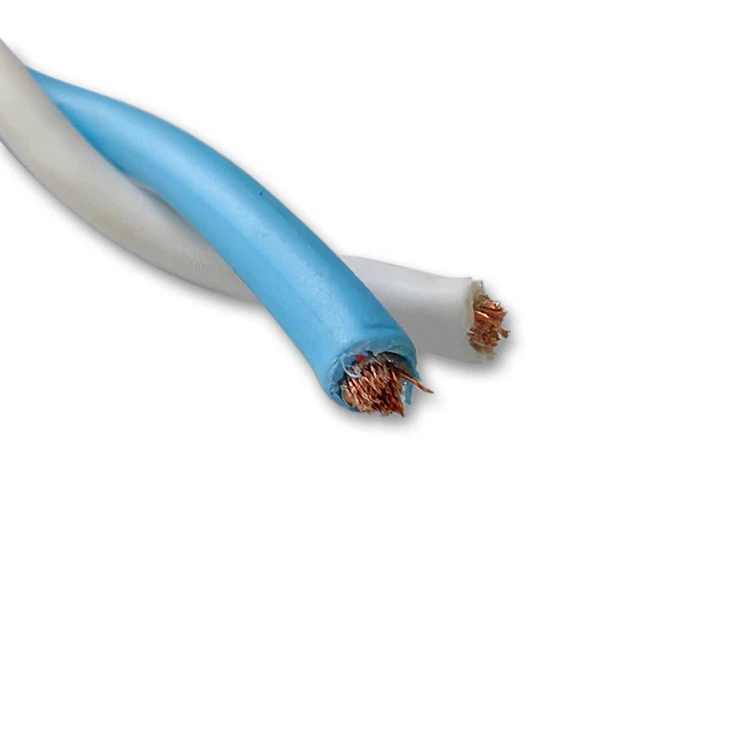
Saltwater is a highly conductive medium because it contains a significant amount of dissolved salts, mainly sodium chloride. When an electrical conductor, like a power cord, comes into contact with saltwater, several things can happen. First off, the saltwater can cause corrosion. The metal components in the power cord, such as the copper wires and metal connectors, react with the salt and oxygen in the water. This chemical reaction forms metal oxides and other compounds that can eat away at the metal over time.
Corrosion isn't just a surface issue. As it progresses, it can lead to a breakdown of the electrical connection. Loose connections can cause arcing, which is when electricity jumps across a gap in the circuit. Arcing generates heat, and if it's not addressed, it can lead to overheating, short circuits, and even fires.
Another problem is that saltwater can penetrate the insulation of the power cord. The insulation is there to keep the electricity flowing through the wires and prevent it from leaking out. But saltwater can break down the insulation material, especially if it's exposed to the harsh saltwater environment for an extended period. Once the insulation is compromised, there's a risk of electrical shock to anyone who comes into contact with the cord.
Our Outdoor Power Cords: Built for Tough Conditions
Now, I know what you're thinking. With all these risks, can our outdoor power cords really be used in saltwater? Well, we've designed our cords to be as durable as possible. Our 200 ft Heavy Duty Extension Cord is a great example. It's made with high-quality materials that are resistant to wear and tear. The outer jacket is made of a tough, weather-resistant material that provides an extra layer of protection against the elements, including saltwater spray.
The copper wires inside our cords are also of high purity. High-purity copper is less likely to corrode compared to lower-quality metals. And we use thick insulation to protect the wires from moisture and other contaminants. The insulation is designed to be flexible, so the cord can be bent and coiled without damaging the wires or the insulation.
But even with these features, it's important to understand that our outdoor power cords are not completely immune to the effects of saltwater. While they can handle occasional exposure to saltwater spray, long-term immersion in saltwater is a different story.
When to Use Our Cords in Saltwater Situations
There are some situations where our outdoor power cords can be used around saltwater. For example, if you're using electrical equipment on a boat deck, and there's a chance of saltwater spray from the waves, our cords can provide a reliable connection. Just make sure to dry the cords thoroughly after they've been exposed to saltwater. You can use a clean, dry cloth to wipe down the cord and remove any salt residue.
Our 15 Outdoor Extension Cord is also a good option for outdoor activities near the beach. If you're setting up a small electrical device, like a portable speaker or a fan, this cord can handle the job. But again, it's important to take precautions. Keep the cord away from standing saltwater puddles, and don't let it sit in saltwater for an extended period.
Special Considerations for Nest Outdoor Cameras
If you're using a Nest Outdoor Camera, our Power Cord for Nest Outdoor Camera is specifically designed to meet its power needs. The camera is often installed outdoors, and in some cases, it might be near a saltwater environment, like a coastal property. Our cord is designed to be weatherproof and can withstand some exposure to saltwater spray.
However, if you're installing the camera in an area where it will be directly exposed to saltwater, like on a pier or a dock, you'll need to take extra precautions. You might want to consider using a protective enclosure for the camera and the power cord. This can help shield the equipment from the saltwater and reduce the risk of corrosion.
Maintenance Tips for Saltwater-Exposed Cords
If you do use our outdoor power cords in a saltwater environment, proper maintenance is key. After each use, inspect the cord for any signs of damage. Look for cracks in the insulation, corrosion on the connectors, or any other visible issues. If you notice any problems, don't use the cord. Instead, replace it with a new one to ensure your safety.
To clean the cord, you can use a mild soap and water solution. Gently scrub the cord with a soft brush to remove any salt residue. Rinse the cord thoroughly with clean water and let it dry completely before storing it. Storing the cord in a dry, cool place can also help extend its lifespan.
Conclusion
So, can an outdoor power cord be used in saltwater environments? The answer is yes, but with some limitations. Our outdoor power cords are designed to be durable and can handle occasional exposure to saltwater spray. However, long-term immersion in saltwater is not recommended.
If you're in the market for a reliable outdoor power cord, we've got you covered. Our range of cords, including the 200 ft Heavy Duty Extension Cord, 15 Outdoor Extension Cord, and Power Cord for Nest Outdoor Camera, are built to last.
If you have any questions about our products or need help choosing the right cord for your needs, don't hesitate to reach out. We're here to help you make the best decision for your electrical needs. Whether you're a homeowner, a contractor, or someone who just needs a reliable power cord for outdoor activities, we've got the solution for you. Let's start a conversation and find the perfect power cord for your saltwater situation.
References
- Electrical Safety Foundation International. (n.d.). Electrical Safety Around Water.
- National Fire Protection Association. (n.d.). Electrical Fires: Causes and Prevention.