

Hey there! As a supplier of mechanical power cords, I've heard all sorts of concerns from customers. One of the most common issues is when a mechanical power cord gets too hot. It's a serious problem that can lead to all kinds of headaches, like potential fire hazards or damage to your electrical devices. So, if you're facing this issue, don't panic. In this blog, I'll walk you through what might be causing your power cord to overheat and what you can do about it.
Possible Causes of an Overheating Power Cord
Overloading
The most frequent culprit is overloading. You might be plugging in too many high - wattage devices into a single power cord. For example, if you've got a space heater, a microwave, and a hair dryer all running off one Extension Cord with Multiple Spaced Outlets, it's bound to put a strain on the cord. Each device draws a certain amount of electrical current, and when you exceed the cord's capacity, it heats up.
Power cords are rated for a specific amperage. If you're using a cord rated for 10 amps and you're trying to draw 15 amps, the cord can't handle the extra load. It's like trying to pour a gallon of water through a small straw. The result? The cord gets hot as it struggles to carry the excess current.
Poor Quality or Damaged Cord
Sometimes, the problem lies with the cord itself. If you've got an old, frayed, or damaged power cord, it can cause overheating. A frayed cord means that the insulation is compromised, which can lead to short circuits or increased resistance. When there's more resistance in the cord, more electrical energy is converted into heat.
Also, low - quality cords might not be made with the right materials or have proper insulation. They might not be able to handle the electrical load as efficiently as a high - quality cord. For instance, a cheap cord might use thinner wires, which have higher resistance and are more likely to overheat.
Environmental Factors
The environment where the power cord is used can also play a role. If the cord is placed in a hot area, like near a furnace or in direct sunlight, it can already be starting at a higher temperature. This, combined with the normal heat generated by the electrical current, can push the cord into the overheating zone.
Additionally, if the cord is coiled up tightly, it can trap heat. When heat can't dissipate properly, it builds up in the cord, causing it to get hotter and hotter.
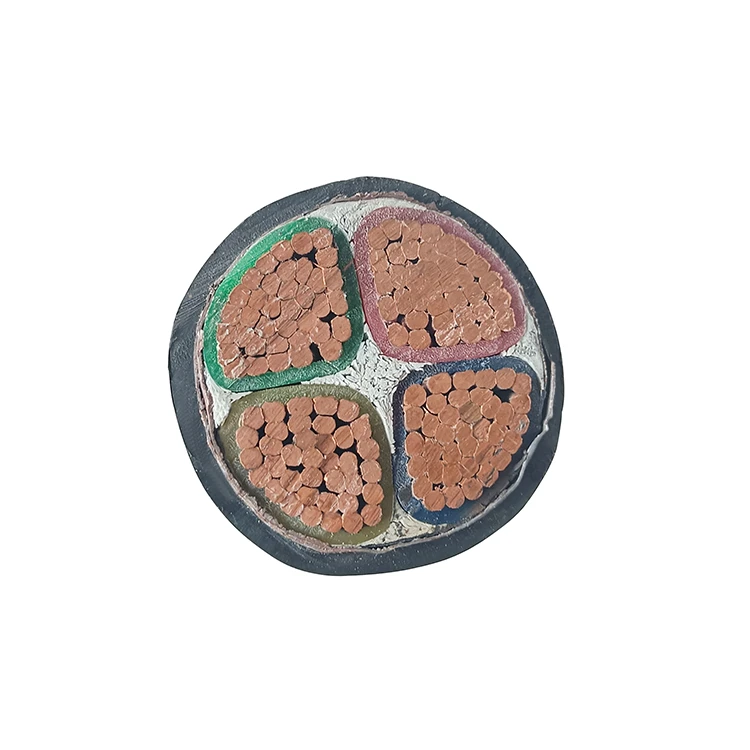

What to Do If Your Power Cord Gets Too Hot
Unplug Immediately
The first thing you should do is unplug the power cord right away. This stops the flow of electricity and reduces the risk of a fire or further damage to the cord and your devices. Don't wait to see if it will cool down on its own. Safety first!
Check for Overloading
Once the cord is unplugged, take a look at what's plugged into it. If you've got multiple high - wattage devices, start unplugging some of them. Only plug in the essential devices and make sure the total amperage of the devices is within the cord's rating.
For example, if you're using a 50 Amp Extension Cord 25 ft, check the amperage of each device you're plugging into it. Add up the amperages and make sure it doesn't exceed 50 amps.
Inspect the Cord
Carefully examine the power cord for any signs of damage. Look for frayed wires, cuts in the insulation, or any other visible issues. If you find any damage, don't use the cord again. It's not worth the risk. You should replace it with a new, high - quality cord.
If you're not sure if the cord is damaged, you can use a multimeter to test its continuity. A broken or damaged cord will show abnormal readings.
Improve the Environment
If the cord was in a hot or cramped area, move it to a cooler, more open space. Make sure it's not near any heat sources and that it's not coiled up too tightly. Allowing proper ventilation around the cord will help it dissipate heat more effectively.
Replace the Cord
If you've determined that the cord is old, damaged, or of poor quality, it's time to replace it. At our supply, we offer a wide range of high - quality mechanical power cords, like the 14 50r Generator Cord. Our cords are made with top - notch materials and are designed to handle various electrical loads safely.
Preventing Future Overheating
Choose the Right Cord
When you're buying a power cord, make sure to choose one that's appropriate for your needs. Consider the amperage rating, the length of the cord, and the type of devices you'll be using it with. If you're using high - wattage devices, go for a cord with a higher amperage rating.
Regular Inspections
Make it a habit to inspect your power cords regularly. Look for any signs of wear and tear, and replace them at the first sign of damage. This can prevent potential overheating issues and keep your electrical system safe.
Follow Electrical Safety Guidelines
Always follow basic electrical safety rules. Don't overload circuits, and use power strips and extension cords properly. Avoid daisy - chaining multiple power strips together, as this can increase the risk of overloading.
Conclusion
Dealing with an overheating power cord can be scary, but by understanding the causes and taking the right steps, you can keep yourself and your devices safe. Remember, if you're ever in doubt about the safety of a power cord, it's better to replace it.
As a mechanical power cord supplier, we're here to help you find the right cords for your needs. Whether you're looking for a simple extension cord or a heavy - duty 14 50r Generator Cord, we've got you covered. If you're interested in purchasing our high - quality power cords or have any questions, feel free to reach out for a procurement discussion. We're eager to assist you in making the best choice for your electrical needs.
References
- Electrical Safety Foundation International. (2023). Electrical Safety Tips.
- National Fire Protection Association. (2023). Electrical Fires Prevention.