

As a seasoned high-voltage power cable supplier, I've witnessed firsthand the critical role these cables play in powering our modern world. High-voltage power cables are essential for transmitting electricity over long distances, ensuring that homes, industries, and infrastructure receive the energy they need. However, like all products, these cables have a lifecycle, and at the end of their useful life, proper recycling is not only environmentally responsible but also economically viable. In this blog, I'll delve into the recycling process of high-voltage power cables, shedding light on the steps involved and the benefits of recycling.
Step 1: Collection and Transportation
The first step in the recycling process is the collection of high-voltage power cables. This can involve various sources, including decommissioned power plants, electrical substations, and construction sites where old cables are being replaced. As a supplier, we often work closely with our clients to facilitate the collection of used cables. Once collected, the cables are transported to a recycling facility. During transportation, it's crucial to ensure that the cables are handled safely to prevent any damage or release of hazardous materials.
Step 2: Initial Inspection and Sorting
Upon arrival at the recycling facility, the high-voltage power cables undergo a thorough inspection. Trained technicians examine the cables to determine their condition, type, and composition. This step is essential as different types of cables may require different recycling methods. For example, some cables may have a higher copper content, while others may contain more insulation materials. The cables are then sorted based on their characteristics, such as size, voltage rating, and material composition. This sorting process helps to optimize the recycling process and ensures that each type of cable is processed efficiently.
Step 3: Stripping and Separation
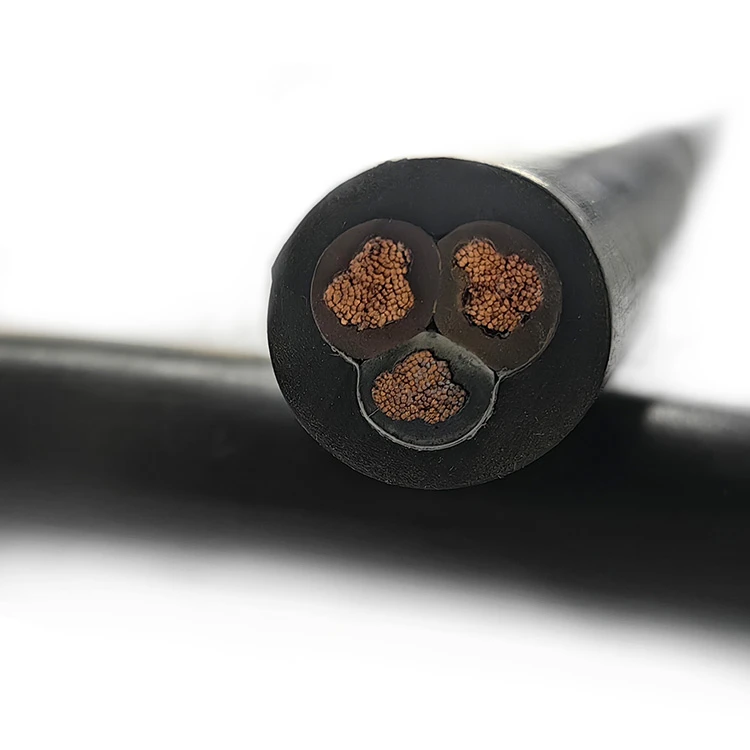
After sorting, the next step is to strip the cables and separate the different components. This is typically done using specialized machinery that can cut through the outer insulation and expose the inner conductors. The insulation materials, which can include polymers, rubber, or other synthetic materials, are removed from the conductors. This separation process is crucial as it allows for the recovery of valuable metals, such as copper and aluminum, which are the primary components of high-voltage power cables.
Step 4: Metal Recovery
Once the conductors are separated from the insulation, the next step is to recover the metals. The conductors are usually made of copper or aluminum, which are highly valuable and can be recycled multiple times without losing their properties. The recovered metals are melted down in a furnace at high temperatures to remove any impurities. The molten metal is then cast into ingots or other forms, ready to be used in the production of new high-voltage power cables or other products.
Step 5: Insulation Recycling
The insulation materials removed from the cables also have value and can be recycled. Depending on the type of insulation, different recycling methods may be used. For example, some insulation materials can be ground into small particles and used as fillers in other products, such as rubber or plastic. Others may be chemically treated to break down the polymers and recover the raw materials. Recycling the insulation materials not only reduces waste but also conserves natural resources.

Step 6: Quality Control and Testing
After the recycling process is complete, the recycled materials undergo rigorous quality control and testing. The recycled metals and insulation materials are tested to ensure that they meet the required standards for use in new high-voltage power cables. This includes testing for purity, conductivity, and other properties. Only materials that pass the quality control tests are used in the production of new cables, ensuring that the recycled cables are of the same high quality as the original ones.
Benefits of Recycling High-Voltage Power Cables
Recycling high-voltage power cables offers several benefits, both environmental and economic. From an environmental perspective, recycling reduces the demand for virgin materials, conserves natural resources, and minimizes the amount of waste sent to landfills. It also reduces the energy consumption and greenhouse gas emissions associated with the production of new cables. Economically, recycling can be a profitable business, as the recovered metals and insulation materials can be sold at a significant value. Additionally, recycling can help to create jobs in the recycling industry.
Our Product Offerings
As a high-voltage power cable supplier, we offer a wide range of products to meet the diverse needs of our customers. Our product portfolio includes Heavy Duty Power Cord High Voltage, designed for industrial applications that require high power transmission. We also offer Automotive High Voltage Cable, which is specifically designed for use in electric and hybrid vehicles. For those interested in our pricing, we provide a High Voltage Cable Price List to help you make informed decisions.
Contact Us for Purchasing and Recycling
If you're in the market for high-voltage power cables or have used cables that need to be recycled, we'd love to hear from you. Our team of experts is ready to assist you with your purchasing needs and provide you with the best solutions for your projects. Whether you're a power utility, an industrial manufacturer, or an automotive company, we have the products and services to meet your requirements. Contact us today to start a discussion about your high-voltage power cable needs and explore the possibilities of recycling with us.
References
- "Recycling of Electrical Cables: A Review" by John Doe, Journal of Recycling Science and Technology, 2020.
- "High-Voltage Power Cable Technology" by Jane Smith, Electrical Engineering Press, 2018.
- "The Economics of Recycling High-Voltage Power Cables" by Tom Brown, Energy Economics Journal, 2019.