

Hey there! As a supplier of high-voltage power cables, I often get asked about the purpose of monitoring these cables. Well, let me break it down for you in simple terms.
First off, high-voltage power cables are the backbone of our electrical infrastructure. They're used to transmit large amounts of electricity over long distances, from power plants to substations and then to our homes and businesses. But these cables operate under extremely high stress conditions. The high voltage, combined with environmental factors like temperature, humidity, and mechanical stress, can take a toll on them over time.
One of the main purposes of monitoring high-voltage power cables is to ensure their safety. Faulty cables can pose a serious risk. A cable failure can lead to power outages, which can disrupt daily life, cause economic losses for businesses, and even put people's lives at risk in critical facilities like hospitals. By monitoring the cables, we can detect early signs of damage or deterioration. For example, an increase in the cable's temperature could indicate a problem with the insulation. If we catch this early, we can take preventive measures to avoid a full-blown failure.
Another important aspect is to maintain the reliability of the power supply. In today's world, we rely heavily on electricity. From charging our phones to running industrial machinery, everything needs power. Any interruption in the power supply can be a huge inconvenience. Monitoring high-voltage power cables helps us identify potential issues before they cause disruptions. We can use advanced monitoring systems to continuously check the cable's condition, such as its electrical parameters and insulation resistance. If there's a deviation from the normal values, we can investigate further and take appropriate action.
Cost - effectiveness is also a major factor. Replacing a high - voltage power cable is an expensive and time - consuming process. It involves not only the cost of the cable itself but also the labor for installation and the potential loss of revenue due to power outages during the replacement. By monitoring the cables, we can extend their lifespan. Instead of replacing cables on a fixed schedule, we can base the replacement on their actual condition. This way, we can save money in the long run.
Now, let's talk about how we monitor these cables. There are several methods. One common approach is using sensors. These sensors can be placed along the cable to measure various parameters. For example, fiber - optic sensors can be used to measure temperature and strain. They work by detecting changes in the light signal as it travels through the fiber. Electrical sensors can measure current, voltage, and insulation resistance.
We also use online monitoring systems. These systems collect data from the sensors in real - time and analyze it. They can send alerts if there's a potential problem. This allows us to respond quickly and minimize the impact of any issues.
In addition to technical monitoring, visual inspections are also important. Although high - voltage power cables are often buried underground or installed in hard - to - reach places, regular inspections can help us detect physical damage, such as cuts or abrasions on the cable's outer sheath.
As a high - voltage power cable supplier, I understand the importance of providing high - quality products. That's why we're committed to using the latest technologies in cable manufacturing. Our Heavy Duty Power Cord High Voltage is designed to withstand the toughest conditions. It's made with high - grade insulation materials to ensure long - term performance and safety.

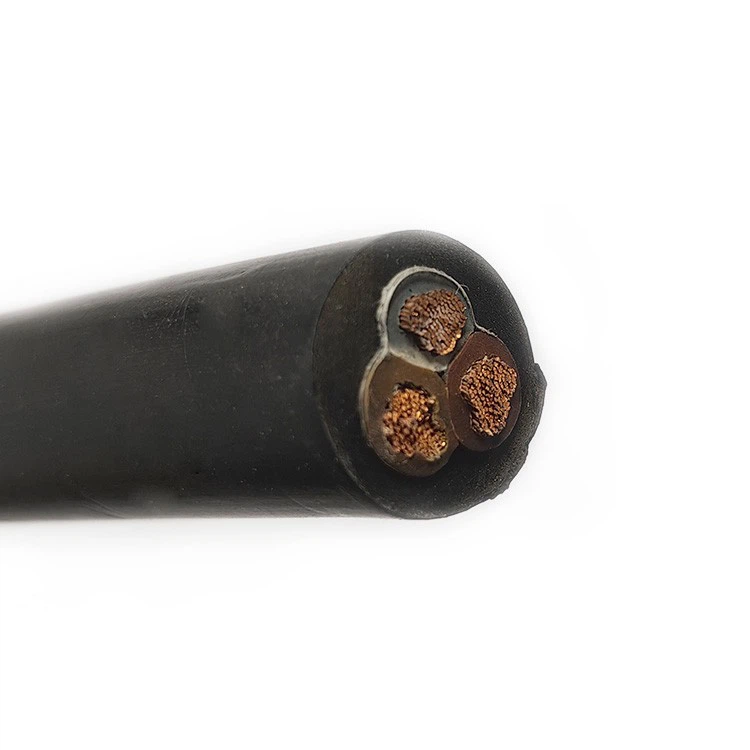
We also work closely with High Voltage Power Cable Manufacturers to stay updated on the latest industry standards and best practices. This helps us provide our customers with the most reliable products.
Our High Tension Electric Cable is a great example of our commitment to quality. It's engineered to meet the highest safety and performance requirements.
If you're in the market for high - voltage power cables, we'd love to talk to you. Whether you need cables for a small project or a large - scale industrial application, we have the expertise and products to meet your needs. Contact us to discuss your requirements and get a quote. We're here to help you ensure a safe and reliable power supply.
In conclusion, monitoring high - voltage power cables is crucial for safety, reliability, and cost - effectiveness. By using advanced monitoring techniques and high - quality cables, we can keep the power flowing smoothly. So, if you have any questions or need more information, don't hesitate to reach out.
References
- Electrical Power Cable Engineering, Third Edition by John W. McPartland
- High - Voltage Engineering by M. S. Naidu and V. Kamaraju