

Oil resistance is a crucial property for rubber power cords, especially in environments where they may come into contact with various types of oils. As a leading rubber power cord supplier, we understand the significance of this characteristic and its impact on the performance and longevity of our products.
Understanding Oil Resistance in Rubber Power Cords
Oil resistance refers to the ability of a rubber power cord to withstand the deteriorating effects of oils. Oils can be classified into different types, such as mineral oils, synthetic oils, and vegetable oils, each with its own chemical composition and potential to affect rubber materials. When a rubber power cord is exposed to oil, it can lead to physical and chemical changes in the rubber, including swelling, softening, hardening, or loss of elasticity. These changes can compromise the integrity of the cord, resulting in reduced electrical insulation, mechanical strength, and overall performance.
The oil resistance of a rubber power cord is determined by several factors, including the type of rubber used, the formulation of the rubber compound, and the manufacturing process. Different types of rubber have varying degrees of oil resistance. For example, nitrile rubber (NBR) is known for its excellent resistance to mineral oils and fuels, making it a popular choice for applications in automotive, industrial, and oil - related environments. Fluoroelastomers, such as Viton, offer even higher levels of oil resistance, along with resistance to high temperatures and chemicals, but they are more expensive.
Testing and Standards for Oil Resistance
To ensure the quality and reliability of our rubber power cords, we conduct rigorous testing to evaluate their oil resistance. One of the common testing methods is the immersion test, where samples of the rubber power cord are immersed in a specific type of oil for a defined period at a controlled temperature. After the immersion period, the samples are removed, and their physical properties, such as weight change, volume change, hardness change, and tensile strength, are measured and compared to the original values.
There are also international standards and specifications that define the requirements for oil resistance in rubber power cords. For example, the International Electrotechnical Commission (IEC) and the Underwriters Laboratories (UL) have established standards that specify the testing procedures and performance criteria for electrical cords, including their resistance to oils and other environmental factors. Our products are designed and manufactured to meet or exceed these standards, providing our customers with confidence in the quality and safety of our rubber power cords.
Applications of Oil - Resistant Rubber Power Cords
Oil - resistant rubber power cords have a wide range of applications in various industries. In the automotive industry, they are used for connecting electrical components in engines, transmissions, and other areas where they may be exposed to engine oil, transmission fluid, and other lubricants. In industrial settings, these cords are used in machinery, equipment, and tools that operate in oily environments, such as metalworking, oil refineries, and chemical plants.
In the marine industry, oil - resistant rubber power cords are essential for powering electrical systems on boats and ships, where they may come into contact with fuel oils, hydraulic oils, and seawater. They are also used in household appliances and equipment that may be exposed to cooking oils or other types of oils, such as kitchen appliances and outdoor power tools.
Our Product Offerings
As a rubber power cord supplier, we offer a diverse range of oil - resistant rubber power cords to meet the specific needs of our customers. Our YC Rubber Power Cord is a popular choice for both industrial and household applications. It is made from high - quality rubber compounds that provide good oil resistance, along with flexibility, durability, and electrical insulation.
Our Best Sale Rubber Electrical Cord is designed for general - purpose use, with excellent resistance to oils, abrasion, and weathering. It is suitable for a wide range of electrical appliances and equipment, ensuring safe and reliable power transmission.
For more demanding applications, our Best Sale YC Rubber Electrical Cord offers enhanced oil resistance and performance. It is engineered to withstand harsh environments and heavy - duty use, making it ideal for industrial machinery, construction equipment, and other high - stress applications.
Factors Affecting Oil Resistance Performance
In addition to the type of rubber and the manufacturing process, there are other factors that can affect the oil resistance performance of a rubber power cord. The temperature at which the cord is exposed to oil plays a significant role. Higher temperatures can accelerate the chemical reactions between the rubber and the oil, leading to more rapid deterioration. Therefore, it is important to consider the operating temperature range when selecting a rubber power cord for oil - exposed applications.
The duration of exposure to oil is another important factor. Prolonged exposure to oil can cause more severe damage to the rubber than short - term exposure. In some cases, intermittent exposure to oil may be less damaging than continuous exposure, as the rubber may have some time to recover between exposures.
The concentration and type of additives in the oil can also impact the oil resistance of the rubber power cord. Some oils may contain additives, such as detergents, antioxidants, and anti - wear agents, which can interact with the rubber and affect its performance.

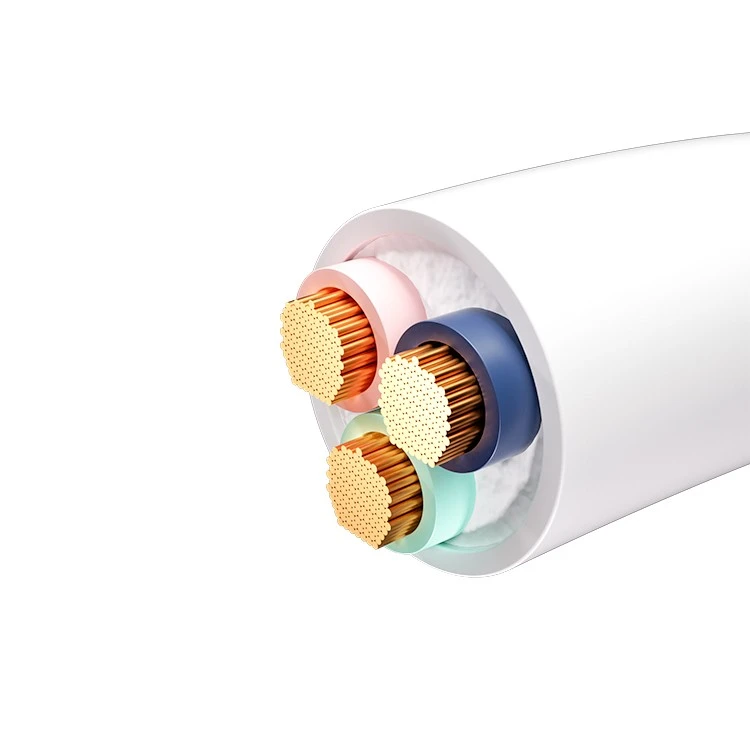
Maintaining Oil - Resistant Rubber Power Cords
To maximize the lifespan and performance of oil - resistant rubber power cords, proper maintenance is essential. Regular inspection of the cords is recommended to check for any signs of damage, such as cracks, swelling, or discoloration. If any damage is detected, the cord should be replaced immediately to prevent electrical hazards.
It is also important to keep the cords clean and free from oil and other contaminants. If the cords become dirty, they can be cleaned using a mild soap and water solution. Avoid using harsh chemicals or solvents, as they can damage the rubber.
Contact Us for Your Rubber Power Cord Needs
If you are in need of high - quality oil - resistant rubber power cords, we are here to help. Our team of experts can assist you in selecting the right product for your specific application, based on factors such as oil type, temperature, and electrical requirements. We are committed to providing you with the best solutions and excellent customer service.
Whether you are an industrial manufacturer, an automotive company, a marine operator, or a household user, we have the right rubber power cord for you. Contact us today to discuss your requirements and start a procurement negotiation. We look forward to serving you and meeting your rubber power cord needs.
References
- International Electrotechnical Commission (IEC) standards on electrical cords
- Underwriters Laboratories (UL) standards for electrical safety
- Rubber Manufacturers Association (RMA) guidelines on rubber properties and testing