

Hey there! As a supplier of mechanical branch cables, I often get asked about the maintenance cycle of these cables. It's a crucial topic, especially for those who rely on these cables for their electrical systems. So, let's dive right in and explore what the maintenance cycle of a mechanical branch cable actually is.
What's a Mechanical Branch Cable Anyway?
First off, a mechanical branch cable is an essential part of many electrical setups. It's used to distribute power from a main source to different sub - circuits or loads. These cables are designed to handle various levels of electrical current and are built to be durable. Whether it's in an industrial setting, a commercial building, or even in some residential applications, mechanical branch cables play a vital role.
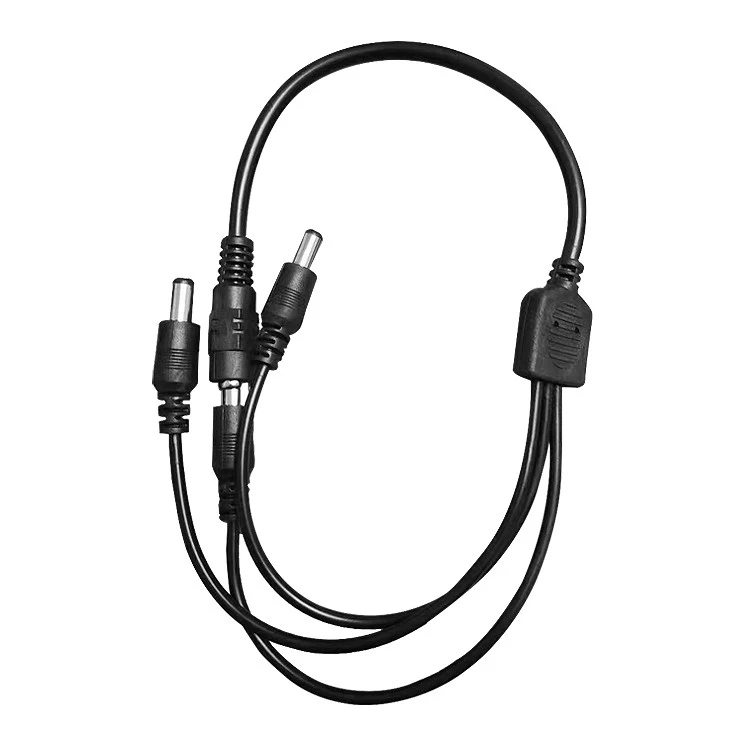
There are different types of mechanical branch cables available in the market. For instance, you've got the Underground Feeder and Branch Circuit Cable. This type is specifically designed for underground use, which means it has to withstand different environmental conditions like moisture, soil pressure, and temperature variations. Then, there's the High Quality Machine Branch Circuit Wire, which is often used in machinery and equipment that require a stable and reliable power supply. And if you're looking for cost - effective options, the China Factory Machine Branch Circuit Wire might be a great choice.
Factors Affecting the Maintenance Cycle
Now, the maintenance cycle of a mechanical branch cable isn't set in stone. It depends on several factors.
Environmental Conditions
One of the biggest factors is the environment where the cable is installed. If the cable is placed in a harsh environment, like an industrial area with a lot of chemicals in the air, or an outdoor location exposed to extreme weather conditions, it's going to need more frequent maintenance. For example, in a coastal area where there's a high salt content in the air, the cable's insulation can deteriorate faster due to corrosion. In such cases, you might need to inspect the cable every 3 - 6 months.
On the other hand, if the cable is installed in a clean, climate - controlled indoor environment, like an office building, the maintenance cycle can be longer, perhaps once a year or even every two years.

Usage Intensity
How often the cable is used also matters. If a mechanical branch cable is constantly under heavy load, meaning it's carrying a large amount of electrical current for long periods, it will experience more wear and tear. For instance, in a factory where machinery runs 24/7, the cables will be under constant stress. In these high - usage scenarios, regular inspections every 6 - 9 months are advisable to catch any potential issues early.
In contrast, if the cable is used only occasionally, like in a backup power system that's rarely activated, the maintenance cycle can be extended to every 1 - 2 years.
Cable Quality
The quality of the cable itself plays a significant role. Higher - quality cables are generally more durable and require less frequent maintenance. They're made with better insulation materials and more robust conductors, which can withstand harsher conditions and more usage. If you've invested in a top - notch cable, you might be able to stretch the maintenance cycle a bit. However, even high - quality cables need to be checked regularly.
The Maintenance Cycle Steps
Let's break down what the maintenance cycle of a mechanical branch cable usually involves.
Visual Inspection
The first step in any maintenance cycle is a visual inspection. This is a quick and easy way to spot any obvious problems. Look for signs of damage, such as cuts, abrasions, or bulges in the cable's insulation. Check the cable connectors as well. Loose or corroded connectors can cause poor electrical connections, which can lead to overheating and other issues. This visual inspection should be done at least once a year, but more frequently in harsh environments.
Electrical Testing
Electrical testing is another crucial part of the maintenance cycle. You need to measure the cable's resistance, insulation resistance, and capacitance. These measurements can tell you if the cable is still in good working condition. For example, a significant drop in insulation resistance could indicate that the insulation is damaged and might lead to electrical leakage. Electrical testing should be done every 1 - 2 years, depending on the usage and environmental factors.
Cleaning
Cleaning the cable is often overlooked but is an important part of maintenance. Dust, dirt, and other debris can accumulate on the cable's surface, which can affect its performance over time. Use a soft, dry cloth to clean the cable. If there are stubborn stains or contaminants, you can use a mild cleaning solution, but make sure it's compatible with the cable's insulation material. Cleaning should be done during every visual inspection.
Why Regular Maintenance is a Must
You might be wondering why all this maintenance is so important. Well, regular maintenance of mechanical branch cables can prevent a lot of problems.
Safety
First and foremost, it's about safety. A damaged or faulty cable can pose a serious safety risk. It can cause electrical shocks, fires, or even explosions. By keeping up with the maintenance cycle, you can identify and fix any potential safety hazards before they turn into disasters.
Reliability
Regular maintenance also ensures the reliability of your electrical system. If a cable fails, it can disrupt your operations, whether it's a manufacturing plant, a commercial building, or a residential property. By maintaining the cables, you can minimize the chances of unexpected outages and keep your systems running smoothly.
Cost - Efficiency
In the long run, regular maintenance is cost - efficient. It's much cheaper to perform routine maintenance and fix small issues than to deal with a major cable failure. A failed cable might require a complete replacement, which can be expensive, not to mention the cost of downtime.
Conclusion
So, to sum it up, the maintenance cycle of a mechanical branch cable depends on environmental conditions, usage intensity, and cable quality. Generally, it involves visual inspections, electrical testing, and cleaning. Regular maintenance is crucial for safety, reliability, and cost - efficiency.
If you're in the market for mechanical branch cables or need more information about their maintenance, don't hesitate to reach out. We're here to help you make the right choices for your electrical needs and ensure that your cables are well - maintained.
References
- Electrical Installation and Maintenance Handbook
- Cable Manufacturer's Guidelines