

As a seasoned supplier of mechanical branch cables, I am often asked about the installation process of these essential components. Mechanical branch cables play a crucial role in various electrical systems, providing reliable power distribution and connectivity. In this blog post, I will walk you through the step-by-step installation process of a mechanical branch cable, ensuring that you have a comprehensive understanding of the procedure.
Pre-Installation Preparations
Before you begin the installation process, it is essential to conduct a thorough site assessment to identify any potential hazards or obstacles that may affect the installation. This includes checking for the presence of other utilities, such as water pipes or gas lines, and ensuring that the installation area is free from debris and obstructions.
Next, you will need to gather all the necessary tools and materials for the installation. This includes the mechanical branch cable itself, as well as any connectors, fittings, and fasteners that may be required. It is important to ensure that all the materials are of high quality and compatible with the specific application.
Once you have gathered all the necessary tools and materials, you will need to carefully plan the route of the cable. This involves determining the most efficient and safe path for the cable to travel, taking into account any existing structures or equipment that may need to be avoided. It is also important to ensure that the cable is installed at a sufficient distance from any heat sources or other potential hazards.
Cable Installation
The first step in the cable installation process is to lay out the cable along the planned route. This involves carefully unrolling the cable and ensuring that it is straight and free from kinks or twists. It is important to handle the cable with care to avoid damaging the insulation or conductors.
Once the cable is laid out, you will need to secure it in place using appropriate fasteners. This may include cable clips, straps, or brackets, depending on the specific application. It is important to ensure that the fasteners are tightened securely to prevent the cable from moving or vibrating during operation.
Next, you will need to make the necessary connections between the cable and the electrical equipment or devices. This involves stripping the insulation from the ends of the cable and connecting the conductors to the appropriate terminals or connectors. It is important to follow the manufacturer's instructions carefully when making these connections to ensure that they are made correctly and safely.
After the connections are made, you will need to test the cable to ensure that it is functioning properly. This involves using a multimeter or other testing equipment to check the continuity and insulation resistance of the cable. It is important to perform these tests before energizing the cable to ensure that there are no faults or issues that could cause a safety hazard.
Post-Installation Checks
Once the cable is installed and tested, you will need to perform a final inspection to ensure that everything is in order. This involves checking the cable for any signs of damage or wear, as well as ensuring that all the connections are tight and secure. It is also important to check the cable for any signs of overheating or other issues that could indicate a problem with the installation.
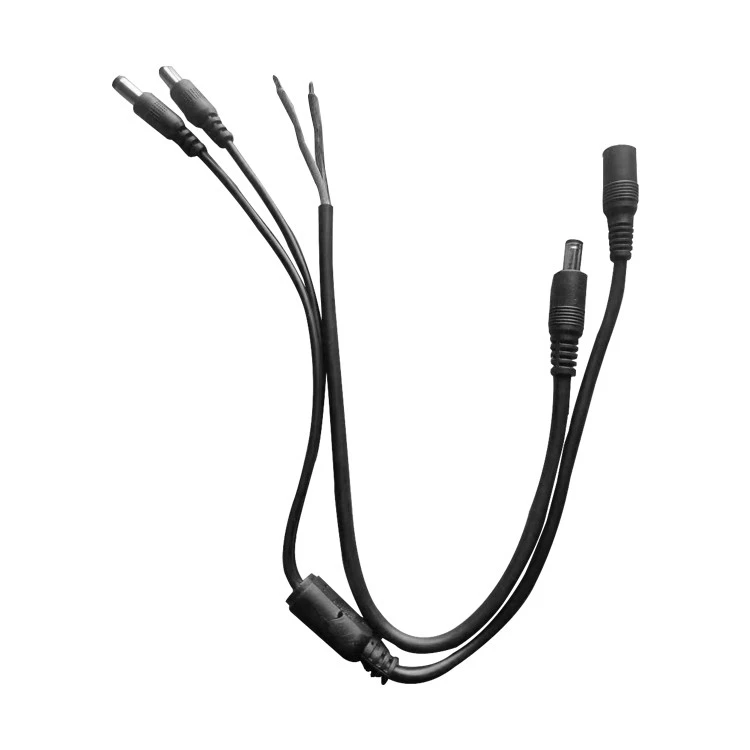

If any issues are identified during the final inspection, you will need to take appropriate action to address them. This may involve making repairs or adjustments to the cable or its connections, or replacing any damaged components. It is important to ensure that all issues are resolved before energizing the cable to ensure that it is safe and reliable.
Conclusion
Installing a mechanical branch cable is a complex process that requires careful planning, preparation, and execution. By following the steps outlined in this blog post, you can ensure that your cable is installed correctly and safely, providing reliable power distribution and connectivity for your electrical system.
If you have any questions or need further assistance with the installation of a mechanical branch cable, please do not hesitate to contact us. As a leading supplier of mechanical branch cables, we have the expertise and experience to help you find the right solution for your specific needs. We offer a wide range of high-quality cables and accessories, as well as professional installation and support services.
To learn more about our Machine Branch Circuit Wire, Underground Feeder and Branch Circuit Cable, and High Quality Machine Branch Circuit Wire, please visit our website or contact us today. We look forward to working with you to meet your electrical needs.
References
- Electrical Installation Guide, National Electrical Code (NEC)
- Cable Installation Manual, Manufacturer's Instructions
- Safety Guidelines for Electrical Work, Occupational Safety and Health Administration (OSHA)