

Hey there! As a supplier of mechanical power cords, I often get asked about the impedance of these cords. So, I thought I'd take a moment to break it down for you in a way that's easy to understand.
First off, let's talk about what impedance actually is. In simple terms, impedance is like the resistance that an electrical circuit puts up against the flow of alternating current (AC). It's not just about the resistance you might think of in a DC circuit; it also takes into account things like inductance and capacitance. You can think of it as a kind of "total opposition" to the flow of AC.
Now, when it comes to mechanical power cords, impedance plays a crucial role. It affects how efficiently power is transferred from the source to the device. If the impedance is too high, it can lead to power losses in the form of heat. This not only wastes energy but can also cause the cord to overheat, which is a safety hazard. On the other hand, if the impedance is too low, it can lead to issues like voltage spikes and electrical interference.
So, what factors influence the impedance of a mechanical power cord? Well, there are a few key ones.
1. Wire Material
The material of the wire used in the power cord is a major factor. Copper is a popular choice because it has low resistance. This means that it allows electricity to flow through it more easily, resulting in lower impedance. Aluminum is another option, but it has a higher resistance than copper, so cords made from aluminum will generally have a higher impedance.
2. Wire Gauge
The gauge of the wire refers to its thickness. A thicker wire (lower gauge number) has less resistance and therefore lower impedance. For example, a 10 - gauge wire will have lower impedance than a 14 - gauge wire. When you're choosing a power cord, you need to consider the amount of current the device will draw. If it's a high - power device, you'll want a thicker wire to keep the impedance low.
3. Length of the Cord
The longer the power cord, the higher its impedance. This is because the electricity has to travel a greater distance through the wire, and along the way, it encounters more resistance. So, if you need a long cord, you might want to go for a thicker wire to compensate for the increased impedance.
4. Insulation
The type of insulation used on the wire can also affect impedance. Some insulators have properties that can introduce capacitance or inductance, which in turn can change the impedance of the cord. High - quality insulation is designed to minimize these effects and keep the impedance stable.
Let's take a look at some of the products we offer and how impedance might come into play.
We have the 50 Amp RV Cord 50 Feet. RVs often have a lot of electrical appliances running at the same time, so they need a power cord that can handle a high current. With a 50 - amp rating, this cord is designed to carry a large amount of electricity. But because it's 50 feet long, we've used a thick wire to keep the impedance low. This ensures that the power is efficiently transferred from the power source to the RV, without significant losses.
Another product is the Custom Best Power Cord for Machine. Different machines have different power requirements. That's why we offer custom - made power cords. We can choose the right wire material, gauge, and insulation based on the specific needs of your machine. By getting the impedance just right, we can ensure that your machine operates at its best and that there are no electrical issues.
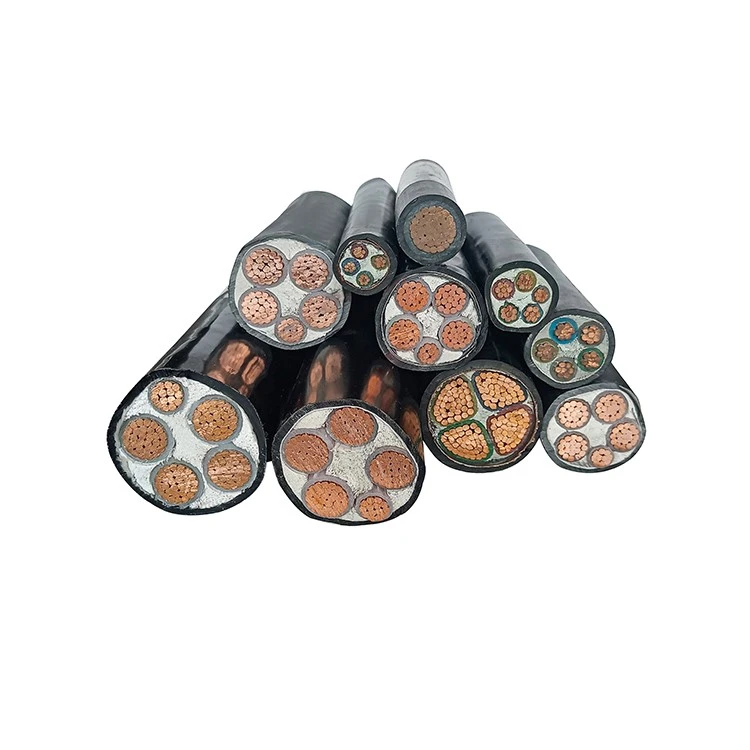

And then there's the 50 Amp Extension Cord 25 ft. This cord is great for situations where you need a bit of extra length to reach your power source. Since it's 25 feet long, it has a lower impedance compared to a 50 - foot cord. But again, we've used a high - quality wire to keep the impedance as low as possible, so you can use it safely with high - power devices.
Measuring the impedance of a mechanical power cord isn't always straightforward. You can use a special instrument called an impedance analyzer. This device sends a signal through the cord and measures the response to calculate the impedance. However, as a user, you don't usually need to do this. We, as suppliers, make sure that our cords meet the required impedance standards.
When you're shopping for a mechanical power cord, it's important to consider impedance, even if you don't fully understand all the technical details. Look for cords that are made from high - quality materials, have the right gauge for your needs, and are the appropriate length. And if you have any questions, don't hesitate to reach out to us.
We're here to help you find the perfect power cord for your application. Whether you're an RV owner, a machine operator, or just need an extension cord for your home appliances, we've got you covered. Our team of experts can guide you through the selection process and make sure you get a cord with the right impedance for your specific requirements.
If you're interested in purchasing any of our products or have questions about impedance or our power cords in general, feel free to get in touch. We're always happy to have a chat and help you make the best decision for your power needs.
References
- "Electric Circuits" by James W. Nilsson and Susan A. Riedel.
- "Electrical Engineering: Principles and Applications" by Allan R. Hambley.