

Hey there! As a supplier of high-voltage power cables, I've seen firsthand how humidity can really mess with these crucial pieces of equipment. So, I thought I'd take a deep dive into what humidity does to high-voltage power cables and why it's super important for us all to understand.
Let's start with the basics. High-voltage power cables are the backbone of our electrical infrastructure. They're responsible for transmitting large amounts of electricity over long distances, powering everything from our homes to industrial facilities. But these cables are sensitive to their environment, and humidity is one of the biggest factors that can affect their performance.
How Humidity Affects High-Voltage Power Cables
1. Electrical Insulation Degradation
One of the primary functions of a high-voltage power cable is to insulate the electrical current flowing through it. The insulation material is designed to prevent the current from leaking out and causing electrical hazards. However, humidity can cause this insulation to degrade over time.
When moisture penetrates the insulation, it can reduce its dielectric strength. In simpler terms, the insulation becomes less effective at preventing electrical leakage. This can lead to partial discharges within the cable, which are small electrical sparks that occur when the electrical stress exceeds the insulation's ability to withstand it. These partial discharges can damage the insulation further, creating a vicious cycle that eventually leads to cable failure.
2. Corrosion of Conductors
High-voltage power cables typically have conductors made of copper or aluminum. These metals are prone to corrosion when exposed to moisture. Humidity can cause the formation of rust or oxidation on the surface of the conductors, which increases their resistance.
As the resistance of the conductors increases, more energy is lost in the form of heat. This not only reduces the efficiency of the cable but also generates additional stress on the insulation. Over time, the increased heat can cause the insulation to deteriorate even faster, increasing the risk of cable failure.
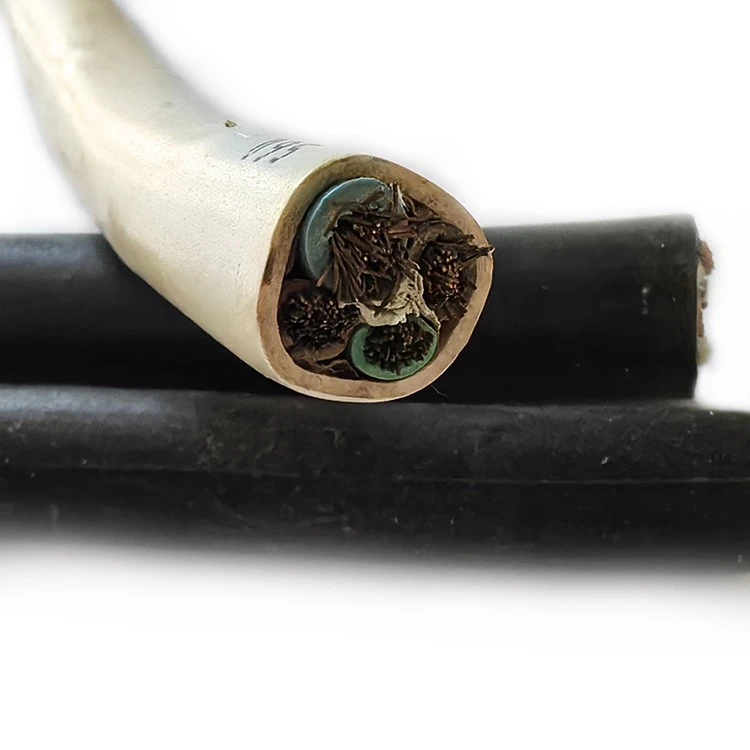

3. Mechanical Damage
Humidity can also cause mechanical damage to high-voltage power cables. When moisture enters the cable, it can cause the insulation and other components to expand and contract. This repeated expansion and contraction can lead to cracks and other forms of mechanical damage.
In addition, the presence of moisture can weaken the cable's outer sheath, making it more susceptible to physical damage from external factors such as abrasion or impact. This can expose the inner components of the cable to further moisture and other environmental hazards, increasing the risk of cable failure.
Real-World Examples
I've seen these issues play out in real-world situations. For example, in coastal areas where the humidity is high, high-voltage power cables often experience more frequent failures than in drier regions. The constant exposure to moisture can accelerate the degradation of the insulation and conductors, leading to costly repairs and downtime.
Another example is in underground cable installations. If the cable trench is not properly drained, water can accumulate around the cables, increasing the humidity levels and causing damage to the cables over time. This is why it's so important to take humidity into account when designing and installing high-voltage power cables.
Mitigating the Impact of Humidity
So, what can we do to mitigate the impact of humidity on high-voltage power cables? Here are some strategies that we recommend:
1. Use High-Quality Insulation Materials
One of the most effective ways to protect high-voltage power cables from humidity is to use high-quality insulation materials. These materials are designed to have a high resistance to moisture and other environmental factors. They can also provide better protection against partial discharges and other forms of electrical damage.
2. Proper Installation and Sealing
Proper installation and sealing of high-voltage power cables are crucial to preventing moisture from entering the cable. This includes using appropriate cable glands, seals, and other protective measures to ensure that the cable is well-protected from the environment.
In addition, it's important to ensure that the cable trench or conduit is properly drained to prevent water from accumulating around the cables. This can help to reduce the humidity levels and protect the cables from damage.
3. Regular Maintenance and Inspection
Regular maintenance and inspection of high-voltage power cables are essential to detecting and addressing any issues related to humidity. This includes checking the insulation resistance, monitoring for partial discharges, and inspecting the cable for signs of corrosion or mechanical damage.
By detecting and addressing these issues early, we can prevent them from escalating and causing more serious problems. This can help to extend the life of the cables and reduce the risk of costly repairs and downtime.
The Importance of Choosing the Right Supplier
When it comes to high-voltage power cables, choosing the right supplier is crucial. At [Supplier], we understand the impact of humidity on high-voltage power cables and have developed a range of products and solutions to address these issues.
We use only the highest quality materials in our cables, ensuring that they are resistant to moisture and other environmental factors. Our cables are also designed and manufactured to meet the highest industry standards, ensuring that they provide reliable and efficient performance in even the most challenging environments.
In addition, we offer a comprehensive range of services, including installation, maintenance, and testing. Our team of experts has extensive experience in the field of high-voltage power cables and can provide you with the support and guidance you need to ensure that your cables are installed and maintained correctly.
If you're looking for high-quality high-voltage power cables that are designed to withstand the impact of humidity, look no further than [Supplier]. We offer a wide range of products to meet your specific needs, and our team is always available to answer your questions and provide you with the information you need.
Conclusion
In conclusion, humidity can have a significant impact on high-voltage power cables. It can cause electrical insulation degradation, corrosion of conductors, and mechanical damage, all of which can lead to cable failure. However, by taking the right precautions, such as using high-quality insulation materials, proper installation and sealing, and regular maintenance and inspection, we can mitigate the impact of humidity and ensure the reliable and efficient performance of our high-voltage power cables.
If you're interested in learning more about our high-voltage power cables or would like to discuss your specific requirements, please don't hesitate to contact us. We'd be happy to help you find the right solution for your needs. And if you're looking for more information on high-voltage power cables, be sure to check out our High Voltage Cable Price List, High Voltage Power Cable Manufacturers, and Automotive High Voltage Cable pages.
References
- "High-Voltage Cable Engineering" by John J. Burke
- "Power Cable Systems" by James H. Neher
- "Electrical Insulation for Rotating Machines" by George C. Stone, Edward A. Boulter, and Ian Culbert