

Automotive battery jumper cables are essential tools for every vehicle owner, providing a quick and reliable solution to start a dead battery. When it comes to choosing the right jumper cables, one of the most significant decisions is whether to opt for braided or solid cables. As a leading supplier of automotive battery jumper cables, I've witnessed firsthand the diverse needs of customers and the performance differences between these two types of cables. In this blog, I'll delve into the key differences between braided and solid automotive battery jumper cables, helping you make an informed decision for your specific requirements.
Construction and Design
The most fundamental difference between braided and solid jumper cables lies in their construction. Solid jumper cables are made from a single, continuous piece of copper or aluminum. This straightforward design offers simplicity and durability, as there are no individual strands to separate or break. Solid cables are typically more rigid and less flexible than their braided counterparts, making them better suited for applications where a straight, stable connection is required.
On the other hand, braided jumper cables are composed of multiple thin strands of copper or aluminum wire woven together. This construction results in a cable that is highly flexible and easy to maneuver, even in tight spaces. The braided design also provides increased surface area, which can improve conductivity and reduce resistance. Additionally, the multiple strands help to distribute the electrical load evenly, minimizing the risk of overheating and ensuring a more reliable connection.
Conductivity and Performance
Conductivity is a crucial factor when it comes to jumper cables, as it determines how efficiently electrical current can flow through the cable. In general, braided jumper cables have better conductivity than solid cables due to their increased surface area. The multiple strands in a braided cable allow for more electrons to flow simultaneously, reducing resistance and improving the overall performance of the cable.
Another advantage of braided cables is their ability to handle higher amperage loads. The evenly distributed electrical load across the multiple strands helps to prevent overheating and ensures that the cable can deliver the necessary power to start a vehicle's battery. Solid cables, while still capable of delivering sufficient power, may be more prone to overheating under heavy loads, especially if the cable is too thin or the connection is not secure.
Durability and Flexibility
Durability is an important consideration when choosing jumper cables, as they are often subjected to rough handling and harsh environmental conditions. Solid jumper cables are generally more durable than braided cables, as the single piece of wire is less likely to break or fray. However, the rigid nature of solid cables can make them more susceptible to damage from bending or kinking, which can weaken the wire and reduce its conductivity.
Braided jumper cables, on the other hand, are highly flexible and resistant to damage from bending and kinking. The multiple strands in a braided cable can move independently, allowing the cable to bend and twist without breaking. This flexibility makes braided cables ideal for use in tight spaces or when maneuvering around obstacles. However, the individual strands in a braided cable may be more prone to fraying or damage from abrasion, especially if the cable is exposed to rough surfaces or sharp edges.
Cost and Availability
Cost is often a deciding factor when choosing between braided and solid jumper cables. In general, solid jumper cables are less expensive than braided cables, as they require less material and labor to manufacture. However, the price difference between the two types of cables can vary depending on the length, gauge, and quality of the cable.
Availability is another factor to consider when choosing jumper cables. Solid jumper cables are more commonly available in hardware stores and automotive supply shops, as they are a more traditional and widely used option. Braided jumper cables, while becoming increasingly popular, may be more difficult to find in some areas. However, they are readily available online, where you can find a wide selection of brands and models to choose from.
Which Type of Jumper Cable is Right for You?
The choice between braided and solid jumper cables ultimately depends on your specific needs and preferences. If you need a cable that is durable, affordable, and suitable for general use, solid jumper cables may be the best option for you. They are a reliable choice for starting most vehicles and are widely available in a variety of lengths and gauges.
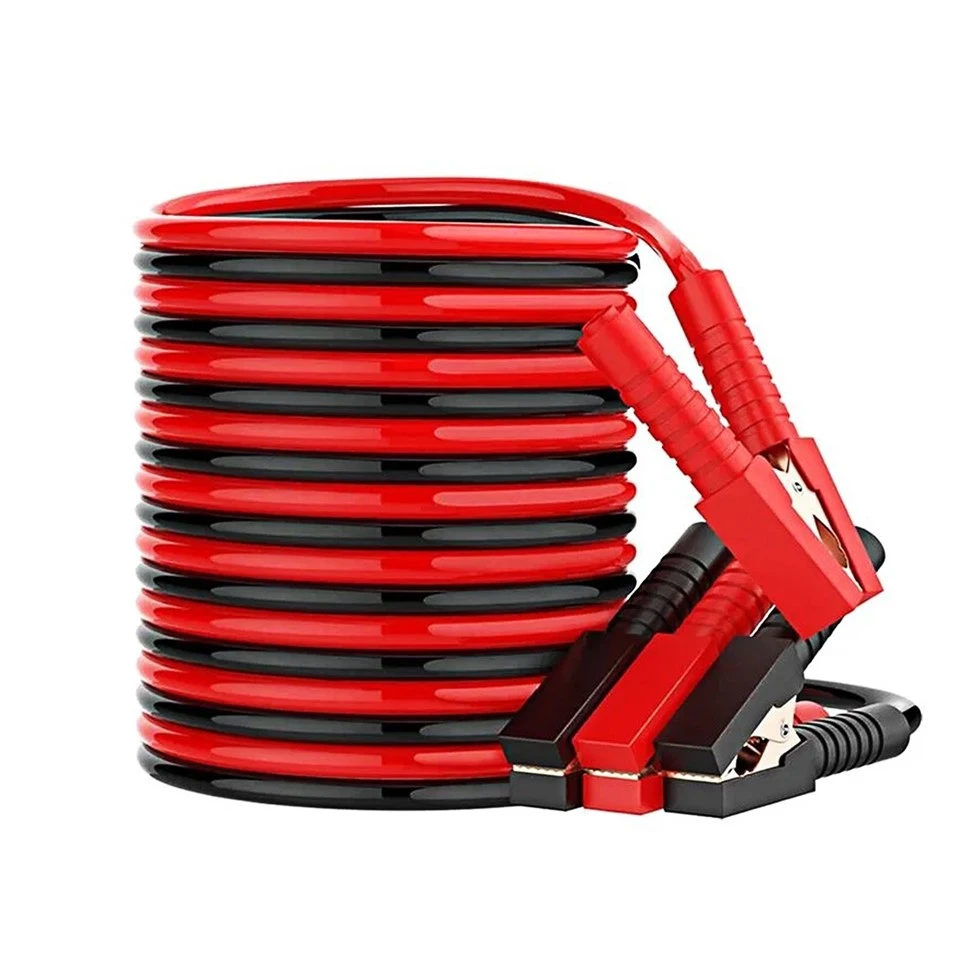

On the other hand, if you need a cable that is highly flexible, easy to maneuver, and capable of handling high amperage loads, braided jumper cables may be a better choice. They are ideal for use in tight spaces or when dealing with larger vehicles, such as trucks or SUVs. Braided cables also offer better conductivity and performance, making them a popular choice among professional mechanics and automotive enthusiasts.
As a supplier of automotive battery jumper cables, we offer a wide range of both braided and solid cables to meet the diverse needs of our customers. Whether you're looking for Best Heavy Duty Jumper Cables for Trucks, Best Portable Jumper Cables, or simply want to compare Car Jump Start Cable Price, we have the right cable for you.
If you're interested in learning more about our products or have any questions about choosing the right jumper cables for your needs, please don't hesitate to contact us. Our team of experts is always available to provide you with personalized advice and assistance. We look forward to helping you find the perfect automotive battery jumper cables for your vehicle.
References
- "Automotive Electrical Systems" by Robert N. Brady
- "Modern Automotive Technology" by James D. Halderman
- "Automotive Batteries and Charging Systems" by Robert Bentley