

Saltwater is a common concern for anyone using electrical equipment near the beach. As an outdoor power cord supplier, I often receive inquiries about the resistance of our cords to saltwater. In this blog post, I'll delve into the science behind a cord's resistance to saltwater, the factors that influence it, and how our products stand up to the challenge.
The Science of Saltwater and Electrical Conductivity
Saltwater is a good conductor of electricity because it contains ions, which are atoms or molecules that have an electric charge. When salt (sodium chloride, for example) dissolves in water, it breaks apart into sodium ions (Na+) and chloride ions (Cl-). These ions can move freely in the water, allowing an electric current to flow.
When an electrical cord comes into contact with saltwater, the saltwater can act as a bridge for the current to flow between the conductors inside the cord. This can lead to several problems, including short circuits, corrosion, and damage to the cord's insulation.
Factors Affecting a Cord's Resistance to Saltwater
Several factors determine how well a cord can resist the effects of saltwater:
Insulation Material
The insulation material is the first line of defense against saltwater. High-quality insulation materials, such as rubber or PVC (polyvinyl chloride), can provide a good barrier against moisture and salt. Rubber is particularly resistant to water and can maintain its flexibility even in cold temperatures. PVC is also a popular choice because it is durable, cost-effective, and has good electrical insulation properties.
Jacket Material
The outer jacket of the cord provides additional protection against physical damage and environmental factors. A thick, durable jacket can help prevent saltwater from reaching the insulation and conductors inside the cord. Some jackets are made from materials that are specifically designed to resist water and salt, such as neoprene or polyethylene.
Sealing and Termination
Proper sealing and termination of the cord are essential to prevent saltwater from entering the cord at the ends. Sealed connectors and terminals can help keep moisture out and protect the electrical connections. Additionally, using heat-shrink tubing or other sealing methods can provide an extra layer of protection.
Construction Quality
The overall construction quality of the cord also plays a role in its resistance to saltwater. Cords that are well-made with tight tolerances and high-quality materials are less likely to allow saltwater to penetrate the insulation and cause damage.
Our Outdoor Power Cords and Saltwater Resistance
At our company, we understand the importance of providing outdoor power cords that can withstand the harsh conditions near the beach. That's why we take several steps to ensure the saltwater resistance of our products:
High-Quality Insulation
We use only the highest quality insulation materials in our cords. Our rubber-insulated cords are made from a special blend of rubber that provides excellent water resistance and electrical insulation. Our PVC-insulated cords are also designed to resist moisture and salt, and they are UL-listed for safety.
Durable Jackets
Our cords are equipped with thick, durable jackets that provide an extra layer of protection against saltwater and physical damage. Our jackets are made from materials such as neoprene and polyethylene, which are known for their resistance to water and salt.
Sealed Connectors and Terminals
We use sealed connectors and terminals in our cords to prevent saltwater from entering the cord at the ends. Our connectors are designed to provide a tight, secure connection that keeps moisture out and protects the electrical connections.
Rigorous Testing
Before our cords are released to the market, they undergo rigorous testing to ensure their saltwater resistance. We test our cords in saltwater tanks for extended periods of time to simulate the conditions they may encounter near the beach. We also test the cords for electrical performance and safety to ensure they meet or exceed industry standards.

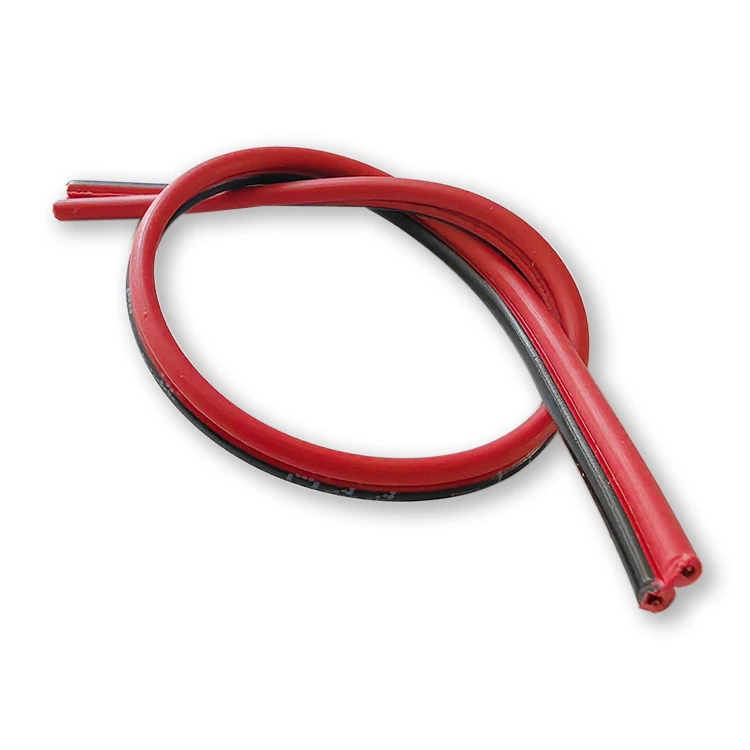
Examples of Our Saltwater-Resistant Cords
Here are some examples of our outdoor power cords that are suitable for use near the beach:
- 200 ft Heavy Duty Extension Cord: This heavy-duty extension cord is designed for outdoor use and is perfect for powering large appliances and equipment near the beach. It features a thick, rubber insulation and a durable jacket that provides excellent saltwater resistance.
- 15 Outdoor Extension Cord: This 15-foot outdoor extension cord is a great option for powering smaller devices and appliances near the beach. It is made with high-quality PVC insulation and a flexible jacket that resists water and salt.
- Power Cord for Nest Outdoor Camera: If you have a Nest outdoor camera near the beach, this power cord is the perfect solution. It is designed to provide a reliable power connection in outdoor environments and is resistant to saltwater and other environmental factors.
Conclusion
If you're planning to use electrical equipment near the beach, it's important to choose outdoor power cords that can resist the effects of saltwater. At our company, we offer a wide range of saltwater-resistant outdoor power cords that are designed to meet the needs of our customers. Our cords are made with high-quality materials, sealed connectors, and durable jackets to provide excellent protection against moisture and salt.
If you're interested in learning more about our outdoor power cords or have any questions about their saltwater resistance, please don't hesitate to contact us. We'd be happy to help you find the right cord for your needs and answer any questions you may have.
References
- "Electrical Insulation Materials: Properties and Applications" by John W. Nelson
- "The Physics of Saltwater and Electrical Conductivity" by Richard A. Muller
- "Outdoor Electrical Safety: Tips for Using Cords Near Water" by the Electrical Safety Foundation International