

As a supplier of mechanical branch cables, I understand the critical role these cables play in various industries. Mechanical branch cables are essential components in electrical systems, providing power distribution and connection for machinery and equipment. Ensuring that these cables meet the appropriate transportation requirements is crucial to maintain their quality and performance. In this blog post, I will discuss the key transportation requirements for mechanical branch cables.
Packaging
Proper packaging is the first step in ensuring the safe transportation of mechanical branch cables. The cables should be wrapped in a protective material to prevent damage from abrasion, moisture, and other environmental factors. For example, plastic sheathing can be used to protect the outer layer of the cable from scratches and cuts during handling and transit.
In addition to the individual cable protection, the cables should be packed in sturdy containers or boxes. These containers should be designed to withstand the rigors of transportation, including stacking, vibration, and impacts. Labels should be clearly affixed to the containers, indicating the cable specifications, quantity, and handling instructions. This not only helps in identifying the cables but also ensures that they are handled correctly during transportation.
Loading and Unloading
When loading mechanical branch cables onto transportation vehicles, care must be taken to avoid any damage. The cables should be loaded in an orderly manner, with proper support to prevent bending or kinking. Sharp edges or rough surfaces inside the transportation vehicle can cause damage to the cables, so it is important to ensure that the vehicle is clean and free of any debris before loading.
During the unloading process, the same level of care should be maintained. The cables should be unloaded gently, using appropriate equipment such as forklifts or cranes. Manual handling should be minimized to reduce the risk of damage. Workers involved in the loading and unloading process should be trained on the proper handling techniques for mechanical branch cables.
Transportation Mode
The choice of transportation mode depends on several factors, including the distance, quantity, and urgency of the delivery. For short - distance transportation, trucks are often the most convenient option. Trucks offer flexibility in terms of delivery schedules and can directly transport the cables to the destination. However, it is important to ensure that the trucks are equipped with proper shock - absorbing systems to minimize the impact of vibrations during transit.
For long - distance or international transportation, sea freight or air freight may be considered. Sea freight is a cost - effective option for large quantities of cables. However, the longer transit time requires additional protection for the cables. Cables should be packed in containers that are suitable for sea transportation, which can withstand the harsh marine environment, including saltwater corrosion. Air freight, on the other hand, is the fastest option but is more expensive. It is suitable for urgent deliveries where time is of the essence.
Environmental Conditions
Mechanical branch cables are sensitive to environmental conditions such as temperature and humidity. Extreme temperatures can affect the insulation properties of the cables, while high humidity can cause corrosion. When transporting these cables, it is important to ensure that the transportation environment is controlled.
For example, if the cables are being transported in a hot climate, the transportation vehicle should be equipped with ventilation or air - conditioning systems to keep the temperature within an acceptable range. In cold climates, the cables may need to be protected from freezing temperatures. Special insulation materials can be used to protect the cables during cold - weather transportation.
Documentation
Accurate documentation is essential for the transportation of mechanical branch cables. The documentation should include details such as the cable specifications, quantity, origin, and destination. This information helps in customs clearance, if applicable, and also provides a record of the shipment.
In addition, certificates of quality and compliance should be provided with the cables. These certificates prove that the cables meet the required standards and specifications. They are often required by customers and regulatory authorities, especially for international shipments.
Insurance
Given the value and importance of mechanical branch cables, it is advisable to obtain insurance coverage for the transportation. Insurance can protect against losses or damages that may occur during transit. Before purchasing insurance, it is important to understand the terms and conditions, including the coverage limits and exclusions.
The insurance policy should cover all possible risks associated with transportation, such as damage due to accidents, natural disasters, or theft. This provides peace of mind for both the supplier and the customer, knowing that they are protected in case of any unforeseen events.
Quality Assurance During Transportation
To ensure that the mechanical branch cables arrive at their destination in good condition, regular quality checks can be conducted during transportation. For long - distance shipments, periodic inspections can be carried out at intermediate stops. These inspections can help identify any potential issues early on, allowing for timely corrective actions.
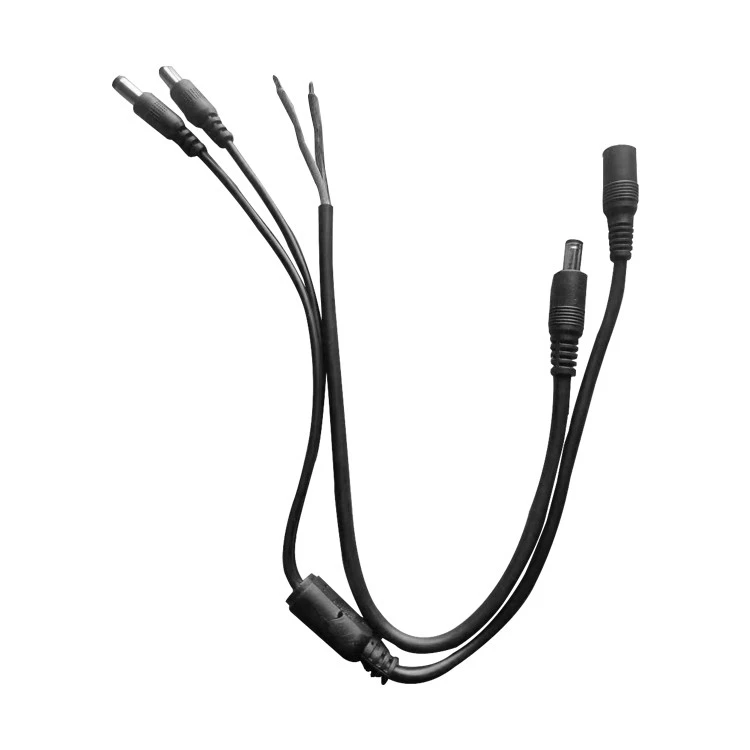

Monitoring devices can also be used to track the environmental conditions inside the transportation vehicle, such as temperature and humidity. This real - time monitoring allows for immediate response if the environmental conditions deviate from the acceptable range.
Compliance with Regulations
Mechanical branch cables are subject to various national and international regulations. These regulations govern aspects such as safety, quality, and environmental protection. When transporting these cables, it is essential to comply with all relevant regulations.
For example, in some countries, there are specific requirements for the labeling and packaging of electrical cables. Failure to comply with these regulations can result in delays in customs clearance or even fines. Therefore, it is important to stay updated on the latest regulations and ensure that all transportation processes are in full compliance.
In conclusion, meeting the transportation requirements for mechanical branch cables is essential to maintain their quality and performance. As a supplier, we are committed to ensuring that our cables are transported safely and efficiently. By following the guidelines mentioned above, we can minimize the risk of damage during transportation and provide our customers with high - quality products.
If you are interested in purchasing Machine Branch Circuit Wire, China Factory Machine Branch Circuit Wire or High Quality Machine Branch Circuit Wire, please feel free to contact us for further details and to start a procurement negotiation.
References
- International Electrotechnical Commission (IEC) standards on electrical cables.
- National Electrical Code (NEC) for cable transportation and installation guidelines.
- Guidelines provided by the World Customs Organization for international transportation of electrical products.