

As a supplier of indoor strip cables, I understand the importance of safety when it comes to using these products. Indoor strip cables are a convenient way to power multiple devices simultaneously, but they also pose certain risks if not used correctly. In this blog post, I will discuss some of the safety precautions that should be taken when using an indoor strip cable.
1. Choose the Right Strip Cable
The first step in ensuring safety is to choose the right indoor strip cable for your needs. Consider the number of devices you need to power and the total wattage they require. Make sure the strip cable you select has a sufficient amperage rating to handle the load. For example, if you plan to connect high - wattage devices like heaters or hair dryers, you'll need a heavy - duty strip cable.
Our company offers a variety of indoor strip cables, such as the Flush Mount Power Strip with USB. This type of strip cable is not only convenient for charging USB - enabled devices but also designed to fit flush against the wall, reducing the risk of tripping over cords.

2. Inspect the Cable Regularly
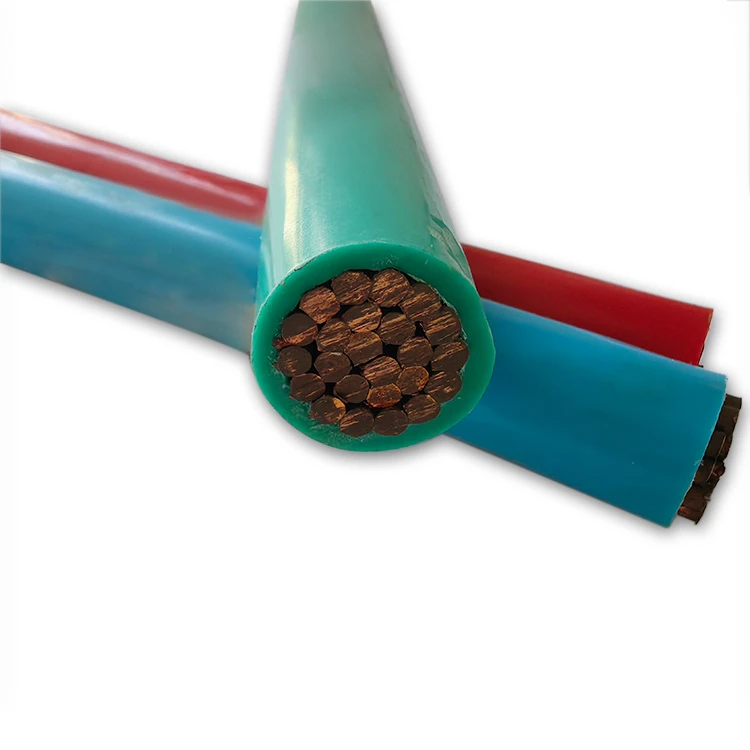
Before each use, carefully inspect the indoor strip cable for any signs of damage. Look for frayed wires, cracked insulation, or loose plugs. If you notice any damage, do not use the cable. Damaged cables can cause electrical shorts, which may lead to fires or electric shocks. Replace the damaged cable immediately with a new one.
Even if the cable appears to be in good condition, it's a good idea to check it periodically over time. Wear and tear can occur gradually, and a small problem can turn into a serious safety hazard if left unaddressed.
3. Avoid Overloading
One of the most common mistakes people make when using indoor strip cables is overloading them. Each strip cable has a maximum load capacity, which is usually indicated on the product label. Do not plug in more devices than the cable can handle. Overloading can cause the cable to overheat, which increases the risk of fire.
To determine if you're overloading a strip cable, add up the wattage of all the devices you plan to connect. If the total wattage exceeds the rated capacity of the strip cable, you need to either unplug some devices or use a higher - capacity cable. For example, if you have a strip cable with a 15 - ampere rating (which is equivalent to about 1800 watts at 120 volts), and you're trying to connect a 1500 - watt heater and a 500 - watt microwave, you're clearly overloading the cable.
4. Use the Cable Indoors Only
Indoor strip cables are designed for indoor use only. They are not built to withstand the harsh conditions outdoors, such as moisture, extreme temperatures, and UV radiation. Using an indoor strip cable outdoors can damage the cable and increase the risk of electrical problems.
If you need to use a cable outdoors, choose a cable specifically designed for outdoor use, like our Outdoor Extension Cord with Surge Protector. This type of cable is made with weather - resistant materials and is equipped with surge protection to safeguard your devices from power surges caused by lightning or other electrical disturbances.
5. Keep the Cable Away from Water
Water and electricity are a dangerous combination. Keep the indoor strip cable away from sources of water, such as sinks, bathtubs, and swimming pools. If the cable gets wet, it can cause a short circuit, which may result in an electric shock or fire.
In case of accidental spills, immediately unplug the strip cable from the power source and dry it thoroughly before using it again. If the cable has been submerged in water, do not attempt to use it. Replace it with a new one.
6. Use Surge Protectors
Power surges can occur due to various reasons, such as lightning strikes, power grid fluctuations, or the operation of large electrical appliances. These surges can damage your electronic devices. To protect your devices, use a strip cable with a surge protector.
A surge protector diverts excess voltage to the ground, preventing it from reaching your devices. Our Travel Extension Cord with USB comes with built - in surge protection, making it a great choice for protecting your devices while traveling.
7. Properly Route the Cable
When using an indoor strip cable, make sure to route it properly. Avoid running the cable under carpets, rugs, or heavy furniture. Cables that are hidden or compressed can overheat because the heat cannot dissipate properly. This can lead to insulation damage and increase the risk of fire.
Instead, route the cable along the wall or use cable clips to keep it in place. This not only reduces the risk of overheating but also makes the area look neater and reduces the risk of tripping.
8. Unplug When Not in Use
When you're not using the indoor strip cable, unplug it from the power source. This not only saves energy but also reduces the risk of electrical problems. Even when no devices are connected to the strip cable, it can still draw a small amount of power, and there is always a risk of a short circuit or other electrical issues.
By unplugging the cable, you eliminate these risks and ensure that your home or office is as safe as possible.
9. Follow Installation Instructions
If you're installing a new indoor strip cable, make sure to follow the installation instructions carefully. Incorrect installation can lead to safety problems. For example, if the cable is not properly grounded, it can increase the risk of electric shock.
If you're not confident in your ability to install the cable correctly, it's best to hire a qualified electrician to do the job for you.
10. Educate Users
If you're using the indoor strip cable in a shared space, such as an office or a public building, make sure to educate all users about the safety precautions. Provide clear instructions on how to use the cable safely and what to do in case of an emergency.
By raising awareness, you can reduce the likelihood of accidents and ensure the safety of everyone in the area.
In conclusion, using an indoor strip cable safely requires a combination of careful selection, regular inspection, and proper usage. By following these safety precautions, you can minimize the risks associated with using indoor strip cables and enjoy the convenience they offer.
If you're interested in purchasing high - quality indoor strip cables, we invite you to contact us for procurement and negotiation. We are committed to providing our customers with safe and reliable products.
References
- National Fire Protection Association. (2023). Electrical safety standards.
- Underwriters Laboratories. (2023). Safety guidelines for electrical cords and cables.