

Ventilation around low-voltage power cables is a crucial aspect that directly impacts their performance, safety, and lifespan. As a reputable low-voltage power cable supplier, I understand the significance of proper ventilation requirements in various applications. In this blog, I will delve into the key requirements for ventilation around low-voltage power cables, explaining why they are essential and how they can be effectively implemented.
Why Ventilation Matters for Low-Voltage Power Cables
Low-voltage power cables are used to transmit electrical energy in a wide range of settings, from residential buildings to industrial facilities. During operation, these cables generate heat due to the electrical resistance within the conductors. If this heat is not dissipated properly, it can lead to a series of problems, including:
- Reduced Cable Lifespan: Excessive heat can accelerate the aging process of the cable insulation, leading to premature failure. Over time, the insulation may become brittle, crack, or lose its dielectric properties, increasing the risk of electrical shorts and other safety hazards.
- Decreased Efficiency: High temperatures can also reduce the efficiency of the cable, as more energy is lost as heat. This can result in higher energy costs and lower overall system performance.
- Safety Risks: In extreme cases, overheating cables can pose a fire hazard. The heat generated by the cables can ignite nearby flammable materials, leading to a potentially dangerous situation.
Proper ventilation helps to dissipate the heat generated by the cables, maintaining their temperature within a safe and acceptable range. This not only extends the lifespan of the cables but also improves their efficiency and reduces the risk of safety incidents.

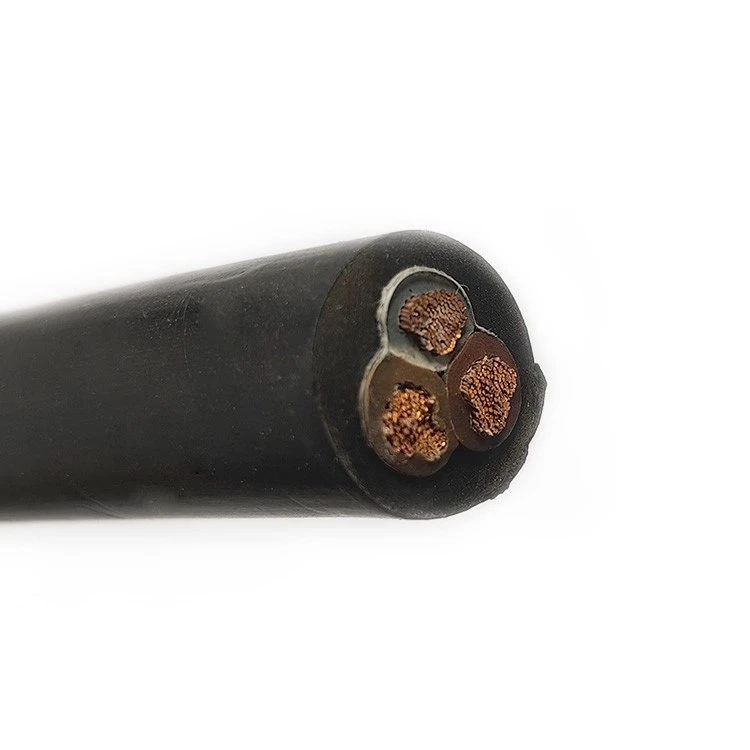
Key Requirements for Ventilation around Low-Voltage Power Cables
Adequate Airflow
One of the primary requirements for ventilation around low-voltage power cables is adequate airflow. This means ensuring that there is enough space around the cables for air to circulate freely. In general, a clearance of at least 50 mm (2 inches) should be maintained between the cables and any surrounding objects, such as walls, floors, or other cables.
In addition to providing sufficient clearance, it is also important to ensure that the airflow is unobstructed. This may involve removing any debris or obstructions from the cable tray or conduit, as well as ensuring that the ventilation openings are not blocked.
Ventilation Openings
Ventilation openings are essential for allowing fresh air to enter the cable enclosure and hot air to escape. The size and number of ventilation openings will depend on the size and type of the cable enclosure, as well as the heat load generated by the cables.
In general, ventilation openings should be located at the bottom and top of the cable enclosure to allow for natural convection. The bottom openings should be large enough to allow fresh air to enter, while the top openings should be large enough to allow hot air to escape.
It is also important to ensure that the ventilation openings are protected from the ingress of dust, dirt, and moisture. This may involve installing filters or screens over the openings, or using weatherproof enclosures.
Temperature Monitoring
Monitoring the temperature of the cables is an important part of ensuring proper ventilation. This can be done using temperature sensors, which can be installed on the cables or in the cable enclosure.
The temperature sensors should be calibrated regularly to ensure accurate readings. If the temperature of the cables exceeds the recommended operating range, it may be necessary to increase the ventilation or take other corrective actions.
Cable Arrangement
The arrangement of the cables can also have an impact on ventilation. Cables should be arranged in a way that allows for maximum airflow around them. This may involve spacing the cables apart, using cable trays or conduits with open designs, or arranging the cables in a parallel configuration.
In addition, it is important to avoid overcrowding the cables in the enclosure. Overcrowding can restrict airflow and increase the heat load, leading to higher temperatures and potential safety hazards.
Implementation of Ventilation Requirements
Implementing the ventilation requirements for low-voltage power cables requires careful planning and design. Here are some steps that can be taken to ensure proper ventilation:
Conduct a Heat Load Calculation
Before designing the ventilation system, it is important to conduct a heat load calculation to determine the amount of heat generated by the cables. This will help to determine the size and number of ventilation openings required, as well as the airflow rate needed to maintain the temperature within the recommended range.
Select the Appropriate Ventilation System
Based on the heat load calculation, the appropriate ventilation system can be selected. There are several types of ventilation systems available, including natural ventilation, forced ventilation, and a combination of both.
Natural ventilation relies on the natural movement of air due to temperature differences. This type of ventilation is simple and cost-effective, but it may not be sufficient for high heat loads or in areas with limited airflow.
Forced ventilation, on the other hand, uses fans or blowers to circulate air through the cable enclosure. This type of ventilation is more effective at removing heat, but it requires more energy and may be more expensive to install and maintain.
A combination of natural and forced ventilation may be the most effective solution in some cases. This can provide the benefits of both types of ventilation while minimizing their drawbacks.
Install the Ventilation System
Once the ventilation system has been selected, it can be installed. This may involve installing ventilation openings, fans, or blowers, as well as connecting the ventilation ducts or pipes.
It is important to ensure that the ventilation system is installed correctly and that it meets all relevant safety standards and regulations. This may involve hiring a qualified HVAC contractor or electrician to perform the installation.
Monitor and Maintain the Ventilation System
After the ventilation system has been installed, it is important to monitor and maintain it regularly. This may involve checking the temperature of the cables, inspecting the ventilation openings for blockages, and ensuring that the fans or blowers are operating properly.
Regular maintenance can help to ensure that the ventilation system continues to function effectively and that the cables are protected from overheating.
Conclusion
Proper ventilation around low-voltage power cables is essential for ensuring their performance, safety, and lifespan. By following the key requirements for ventilation, such as providing adequate airflow, ventilation openings, temperature monitoring, and proper cable arrangement, you can help to maintain the temperature of the cables within a safe and acceptable range.
As a low-voltage power cable supplier, I am committed to providing high-quality cables and solutions that meet the needs of my customers. If you have any questions or need further information about ventilation requirements for low-voltage power cables, please do not hesitate to [contact me for procurement and negotiation]. I would be happy to assist you.
References
- National Electrical Code (NEC)
- International Electrotechnical Commission (IEC) standards
- Cable manufacturers' technical documentation