

Hey there! As a supplier of high - voltage power cables, I've been in the thick of it when it comes to understanding what goes into these essential pieces of equipment. One of the most crucial aspects is the outer sheath material of a high - voltage power cable. So, let's dig into what the requirements for this outer sheath material are.
Electrical Insulation
First off, electrical insulation is a non - negotiable requirement. The outer sheath has to prevent any electrical leakage from the high - voltage conductors inside the cable. High - voltage power cables carry a significant amount of electrical energy, and even a small leakage can lead to serious safety hazards, like electric shocks or short - circuits.
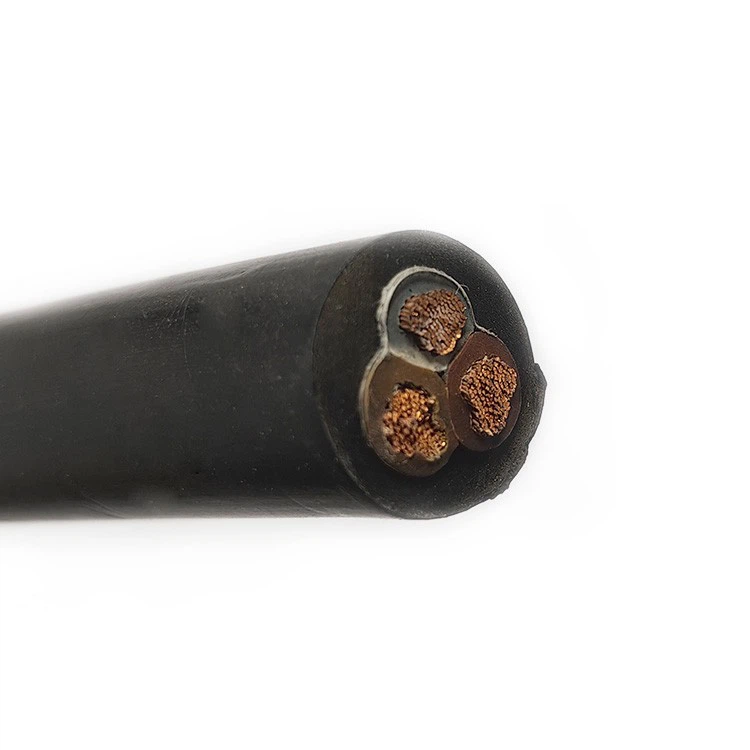
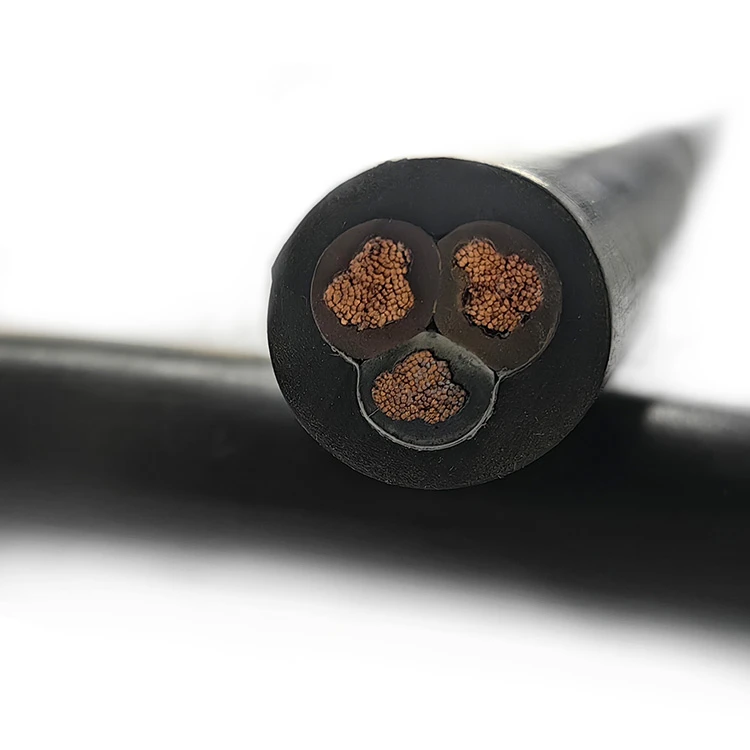
Materials with high dielectric strength are typically used for this purpose. Dielectric strength is the maximum electric field that a material can withstand without breaking down and allowing current to flow through it. For instance, cross - linked polyethylene (XLPE) is a popular choice. It has excellent dielectric properties, which means it can effectively insulate the high - voltage conductors and keep the electricity flowing where it's supposed to.
Mechanical Protection
The outer sheath also needs to provide mechanical protection. High - voltage power cables are often installed in various environments, and they can face all sorts of physical stresses. They might be buried underground, where they could be damaged by digging equipment or shifting soil. Or they could be strung overhead, exposed to the elements and at risk of being hit by flying debris.
The outer sheath material should be tough enough to resist abrasion, cuts, and impacts. Polyvinyl chloride (PVC) is a commonly used material for this reason. It's relatively hard and can withstand a fair amount of physical abuse. Another option is thermoplastic elastomers (TPE), which combine the flexibility of rubber with the processability of plastics. They can absorb shocks and vibrations, protecting the cable from mechanical damage.
Chemical Resistance
In many cases, high - voltage power cables are exposed to different chemicals. They could be in industrial areas where there are corrosive gases or liquids, or in coastal regions where they're exposed to saltwater. The outer sheath material must be resistant to these chemicals to prevent degradation.
For example, fluoropolymers are known for their excellent chemical resistance. They can withstand exposure to a wide range of chemicals, including acids, bases, and solvents. This makes them a great choice for high - voltage power cables in harsh chemical environments.
Weather Resistance
Weather conditions can have a big impact on the performance of high - voltage power cables. The outer sheath needs to be able to withstand extreme temperatures, UV radiation, and moisture.
In cold climates, the material should remain flexible so that the cable doesn't become brittle and crack. Silicone rubber is a good option here, as it has excellent low - temperature flexibility. On the other hand, in hot climates, the material should be able to resist heat without melting or deforming.
UV radiation can also cause the outer sheath material to degrade over time. Materials with UV stabilizers are often used to prevent this. For example, some PVC formulations are treated with UV stabilizers to make them more resistant to the sun's rays.
Flame Resistance
Safety is always a top priority when it comes to high - voltage power cables. The outer sheath material should have good flame - resistant properties. In the event of a fire, the cable should not contribute to the spread of the flames.
Many outer sheath materials are formulated to be self - extinguishing. For instance, some PVC compounds are treated with flame retardants. When exposed to fire, they will stop burning once the ignition source is removed, reducing the risk of a large - scale fire.
Environmental Compatibility
In today's world, environmental concerns are becoming increasingly important. The outer sheath material should be environmentally friendly. This means it should be free from harmful substances like heavy metals and halogens.
Some manufacturers are now using bio - based materials for the outer sheath of high - voltage power cables. These materials are derived from renewable resources and are more sustainable. They also tend to have a lower environmental impact during their production and disposal.
Cost - Effectiveness
Last but not least, cost - effectiveness is a major consideration. As a high - voltage power cable supplier, I know that customers are always looking for the best value for their money. The outer sheath material should meet all the necessary requirements while also being affordable.
There's a balance to be struck here. Sometimes, using a more expensive material might be necessary to ensure the long - term performance and safety of the cable. But in other cases, a more cost - effective option can be found without sacrificing too much in terms of quality.
If you're in the market for high - voltage power cables, you might be interested in our High Voltage Cable Price List. It gives you an idea of the costs involved and helps you make an informed decision. We also offer Heavy Duty Power Cord High Voltage and Automotive High Voltage Cable for different applications.
If you have any questions or are interested in purchasing high - voltage power cables, don't hesitate to reach out. We're here to help you find the right cable with the perfect outer sheath material for your specific needs.
References
- "High - Voltage Cable Engineering" by John W. McDonald
- "Handbook of Electrical and Electronic Insulating Materials" by D. C. Sinclair