

In the dynamic landscape of renewable energy, solar power systems have emerged as a cornerstone of sustainable development. These systems rely on a multitude of components working in harmony to convert sunlight into usable electricity. Among these components, mechanical power cords play a crucial yet often overlooked role. As a dedicated mechanical power cord supplier, I understand the intricacies and specific requirements that these cords must meet to ensure the efficient and safe operation of solar power systems.
Electrical Requirements
One of the primary considerations for mechanical power cords in solar power systems is their electrical capacity. Solar panels generate direct current (DC) electricity, which is then converted to alternating current (AC) by an inverter. The power cords must be able to handle the specific voltage and current levels associated with these processes. For instance, in larger solar installations, high - voltage DC power may be present before the inverter. Power cords need to be rated for these high DC voltages to prevent electrical breakdown and ensure long - term reliability.
The ampacity, or the maximum amount of electrical current a cord can carry safely, is another vital electrical requirement. This is determined by factors such as the cross - sectional area of the conductors and the insulation material. In solar power systems, different components may draw varying amounts of current. For example, an inverter may require a significant amount of current to function properly. A power cord with insufficient ampacity can overheat, leading to potential fire hazards and reduced system efficiency. As a supplier, I offer a range of power cords with different ampacities, such as the 50 Amp Extension Cord 25 ft, which is designed to handle high - current applications in solar setups.
Environmental Requirements
Solar power systems are often installed in diverse environmental conditions. From scorching deserts to humid coastal areas, mechanical power cords must be able to withstand these harsh environments. UV resistance is a critical factor, as prolonged exposure to sunlight can degrade the insulation material of the cords. Over time, this can lead to cracking, short - circuits, and reduced electrical performance. Our power cords are made with high - quality insulation materials that are specifically formulated to resist UV radiation, ensuring long - term durability in outdoor solar installations.
Temperature variations also pose a challenge to power cords in solar systems. Extreme heat can cause the insulation to soften and lose its effectiveness, while cold temperatures can make the cords brittle and more prone to damage. Our cords are engineered to maintain their flexibility and electrical properties across a wide temperature range. They are tested in controlled environments to ensure they can perform reliably in both hot and cold climates.
Moisture and humidity are additional environmental factors that can affect power cords. In areas with high humidity or frequent rainfall, the cords must be protected against water ingress. Waterproof and moisture - resistant insulation is essential to prevent corrosion of the conductors and short - circuits. Our power cords are designed with sealed connectors and moisture - resistant insulation to provide reliable performance in wet conditions.
Mechanical Requirements
Mechanical durability is of utmost importance for power cords in solar power systems. These cords may be subject to physical stress during installation, maintenance, and normal operation. They need to be able to withstand bending, pulling, and twisting without damage. The construction of the cord, including the type of conductors and the insulation material, plays a significant role in its mechanical strength.
Flexibility is also a key mechanical requirement. During the installation process, power cords may need to be routed around various obstacles and through tight spaces. A flexible cord makes the installation process easier and reduces the risk of damage to the cord. Our power cords are designed with a high degree of flexibility, allowing for easy installation in complex solar system layouts.
In addition, the connectors on the power cords must be robust and secure. Loose or poorly connected connectors can lead to electrical arcing, which can cause damage to the components and pose a safety risk. Our connectors are designed to provide a tight and reliable connection, ensuring stable electrical transmission in solar power systems. For example, the 14 50r Generator Cord features high - quality connectors that are built to last.
Safety Requirements
Safety is paramount in any electrical system, and solar power systems are no exception. Mechanical power cords must meet strict safety standards to protect both the system and the users. Grounding is an essential safety feature. A properly grounded power cord helps to prevent electrical shocks by providing a path for excess electrical current to flow safely into the ground. Our power cords are designed with proper grounding conductors to ensure compliance with safety regulations.
Insulation resistance is another important safety parameter. High insulation resistance helps to prevent electrical leakage, which can be dangerous and lead to energy losses. Our power cords are tested to ensure that they have adequate insulation resistance, providing a safe and efficient electrical connection in solar power systems.
In addition, the cords should be free from any sharp edges or protrusions that could cause injury during handling. They should also be marked clearly with important information such as voltage ratings, ampacity, and safety warnings. This helps installers and users to make informed decisions and use the cords safely.
Compatibility Requirements
Mechanical power cords in solar power systems must be compatible with other components of the system. They need to be able to connect seamlessly with solar panels, inverters, charge controllers, and other electrical devices. The connectors on the power cords must match the connectors on the components to ensure a proper electrical connection.
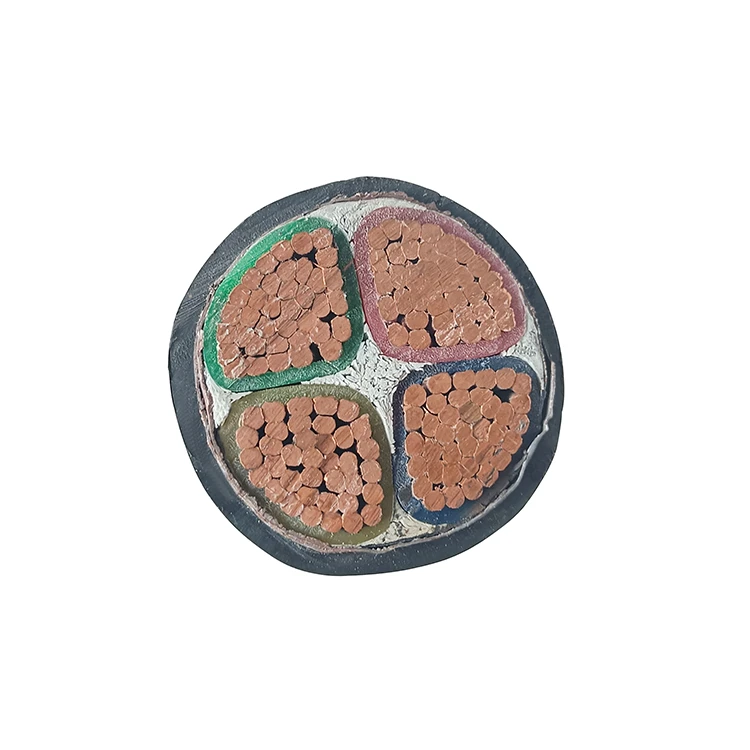

For example, different solar panels may have different types of connectors, and the power cords need to be available with the appropriate mating connectors. Our product range includes a variety of power cords with different connector types to ensure compatibility with a wide range of solar system components. The Extension Cord with Multiple Spaced Outlets is designed to provide multiple connection options, making it suitable for use with various solar system devices.
Conclusion
In conclusion, mechanical power cords in solar power systems must meet a wide range of requirements, including electrical, environmental, mechanical, safety, and compatibility requirements. As a mechanical power cord supplier, I am committed to providing high - quality power cords that meet these stringent requirements. Our products are designed and tested to ensure reliable performance, durability, and safety in solar power systems.
If you are in the market for mechanical power cords for your solar power system, I invite you to contact us for a detailed discussion about your specific needs. We can provide you with the right power cord solutions that will help you achieve optimal performance and efficiency in your solar installation. Whether you are a small - scale residential solar user or a large - scale commercial solar developer, we have the expertise and products to meet your requirements.
References
- International Electrotechnical Commission (IEC). Standards for electrical cables in renewable energy systems.
- National Electrical Code (NEC). Requirements for wiring and electrical components in solar power installations.
- Underwriters Laboratories (UL). Safety standards for power cords and electrical connectors.