

When it comes to laying high-voltage power cables underwater, there are numerous precautions that must be taken into account. As a high-voltage power cable supplier, I've witnessed firsthand the complexities and challenges associated with this specialized task. In this blog post, I'll share some key precautions that are crucial for a successful underwater high-voltage power cable installation.
1. Site Survey and Environmental Assessment
Before any cable laying begins, a comprehensive site survey is essential. This involves gathering detailed information about the underwater terrain, including the depth of the water, the type of seabed (whether it's rocky, sandy, or muddy), and the presence of any natural or man - made obstacles such as reefs, shipwrecks, or pipelines. A detailed bathymetric map can be created to identify potential hazards and plan the cable route accordingly.
In addition to the physical characteristics of the site, an environmental assessment is also necessary. This includes evaluating the impact of the cable laying on marine life, water quality, and other ecological factors. For example, certain areas may be home to endangered species or important spawning grounds. In such cases, special measures may need to be taken to minimize the impact on the environment. You can find more information about high - quality high - voltage cables suitable for underwater use on our High Tension Electric Cable page.
2. Cable Selection
Selecting the right cable is crucial for underwater applications. High - voltage power cables used underwater need to be designed to withstand the harsh underwater environment. They should have excellent insulation properties to prevent electrical leakage, as well as high mechanical strength to resist the forces exerted by water currents, waves, and the weight of the cable itself.
The cable's outer sheath should be made of a material that is resistant to corrosion, abrasion, and damage from marine organisms. For example, some cables use a polyethylene or polyvinyl chloride (PVC) outer sheath, which provides good protection against water and chemicals. Additionally, the cable should be suitable for the specific voltage and current requirements of the project. You can check our High Voltage Cable Price List to find the cable that meets your budget and technical needs.
3. Cable Installation Techniques
There are several methods for laying high - voltage power cables underwater, and the choice of method depends on various factors such as the depth of the water, the length of the cable, and the type of seabed. One common method is the use of a cable - laying vessel. These vessels are equipped with specialized equipment such as cable reels, tensioners, and plows.
The cable is unreeled from the vessel and laid on the seabed using a plow or a jetting system. The plow cuts a trench in the seabed, and the cable is placed in the trench to protect it from damage. Jetting systems use high - pressure water jets to create a channel in the seabed for the cable.
Another method is the use of remotely operated vehicles (ROVs). ROVs can be used to lay cables in areas that are difficult to access by cable - laying vessels, such as deep - sea locations or areas with complex terrain. ROVs are equipped with cameras and manipulators, which allow operators to control the cable laying process with precision.
4. Protection Against External Forces
Underwater cables are exposed to a variety of external forces that can cause damage. Water currents and waves can exert significant forces on the cable, especially in areas with strong tidal flows or storms. To protect the cable from these forces, it may be necessary to use additional support structures such as cable protection tubes or mattresses.
Cable protection tubes are made of materials such as steel or concrete and are placed around the cable to provide mechanical protection. Cable mattresses are made of heavy - duty materials and are placed on top of the cable to prevent it from being moved by water currents.
In addition to natural forces, underwater cables are also at risk of damage from human activities such as fishing, shipping, and construction. To prevent damage from fishing activities, it is important to mark the cable route clearly and communicate the location of the cable to local fishermen. For shipping and construction activities, appropriate safety measures should be taken to ensure that the cable is not accidentally damaged.
5. Monitoring and Maintenance
Once the cable is laid, continuous monitoring is essential to ensure its safe and reliable operation. Monitoring systems can be used to detect any changes in the cable's electrical parameters, such as voltage, current, and temperature. These changes can indicate potential problems such as insulation breakdown or mechanical damage.
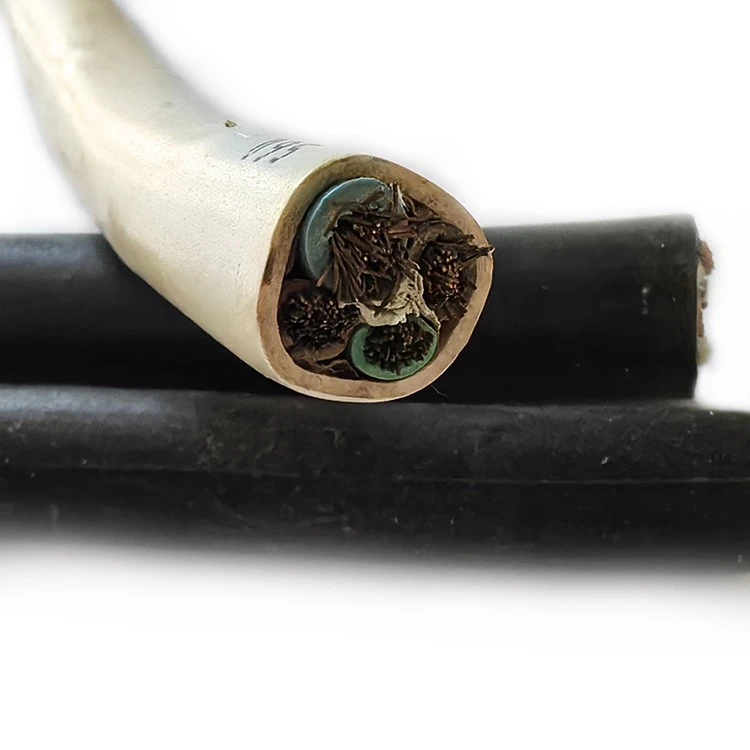

Regular maintenance is also necessary to keep the cable in good condition. This includes inspecting the cable for signs of damage, checking the integrity of the insulation, and repairing any minor damage as soon as possible. Maintenance activities may also involve cleaning the cable to remove any marine growth or debris that could affect its performance.
6. Emergency Response Planning
Despite all the precautions taken, emergencies can still occur during the laying or operation of underwater high - voltage power cables. Therefore, it is important to have an emergency response plan in place. The plan should include procedures for dealing with various types of emergencies, such as cable damage, electrical faults, and environmental incidents.
The emergency response team should be trained to handle these situations quickly and effectively. They should have access to the necessary equipment and resources, such as repair kits, diving equipment, and environmental cleanup materials.
7. Compatibility with Existing Infrastructure
When laying underwater high - voltage power cables, it is important to ensure compatibility with existing infrastructure. This includes other power cables, substations, and electrical equipment. The new cable should be able to connect to the existing system without causing any electrical or mechanical problems.
Compatibility also extends to communication and control systems. The new cable should be able to integrate with the existing monitoring and control systems to ensure seamless operation. For automotive applications that may require high - voltage cables, you can explore our Automotive High Voltage Cable offerings.
Conclusion
Laying high - voltage power cables underwater is a complex and challenging task that requires careful planning, proper cable selection, and the use of appropriate installation techniques. By taking the precautions outlined in this blog post, you can minimize the risks associated with underwater cable laying and ensure the safe and reliable operation of the cable.
If you are in need of high - voltage power cables for your underwater projects, we invite you to contact us for more information and to discuss your specific requirements. Our team of experts is ready to assist you in selecting the right cable and providing technical support throughout the installation and maintenance process.
References
- IEEE Standard for Underwater Power Cables
- International Electrotechnical Commission (IEC) standards related to high - voltage cables
- Technical literature from cable manufacturers on underwater cable design and installation