

Hey there! As a supplier of high-voltage power cables, I've been keeping a close eye on the industry trends. In this blog, I'll share my thoughts on the future development directions of high-voltage power cables.
1. Enhanced Insulation Materials
One of the most crucial aspects of high-voltage power cables is insulation. Currently, traditional insulation materials like cross-linked polyethylene (XLPE) are widely used. However, the future will see the development of even better insulation materials.
New nanocomposite insulation materials are emerging as a game-changer. These materials have excellent electrical properties, such as high breakdown strength and low dielectric loss. They can also withstand higher temperatures, which means that the cables can carry more power without overheating. For example, some research is being done on adding nanoparticles to XLPE to enhance its performance. This could lead to cables that are more reliable and have a longer lifespan.
Another area of development is in eco-friendly insulation materials. With the increasing focus on sustainability, there's a growing demand for cables that use materials that are less harmful to the environment. Biodegradable polymers and natural rubber are being explored as potential alternatives to traditional insulation materials. This not only helps in reducing the environmental impact but also meets the regulatory requirements in many regions.
2. Higher Voltage Levels
As the demand for electricity continues to grow, there's a need for high-voltage power cables that can transmit more power over longer distances. This means that we'll see an increase in the voltage levels of power cables. Currently, the highest voltage levels for commercial power transmission are around 1100 kV. In the future, we could see cables operating at even higher voltages, such as 1500 kV or more.

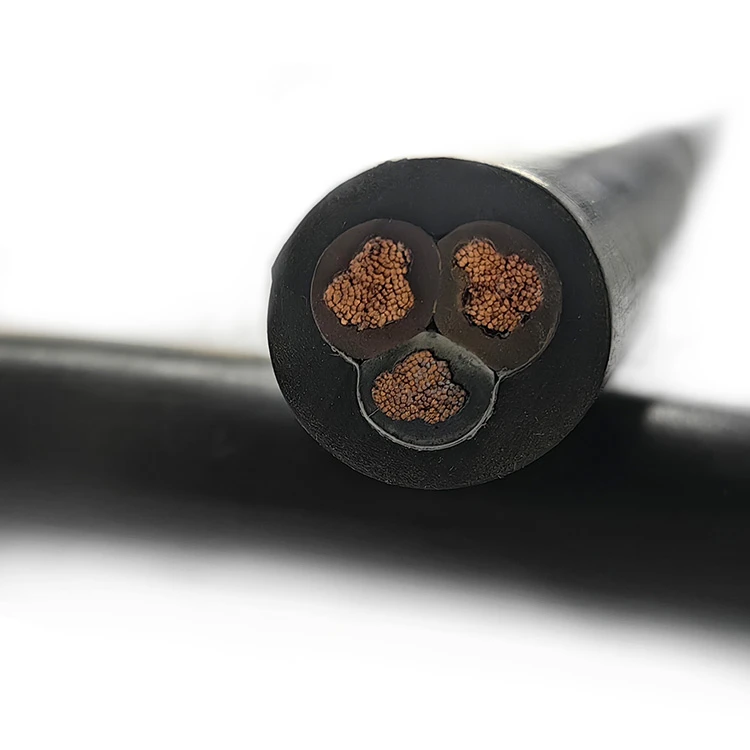
Higher voltage levels allow for more efficient power transmission, as the power loss is inversely proportional to the square of the voltage. This means that by increasing the voltage, we can significantly reduce the power loss during transmission. However, designing and manufacturing cables for such high voltages is a challenging task. It requires advanced insulation materials, better cable design, and more rigorous testing procedures.
3. Smart Cables
The era of smart grids is upon us, and high-voltage power cables are no exception. Smart cables are equipped with sensors and communication devices that can monitor the cable's condition in real-time. These sensors can detect various parameters such as temperature, strain, and partial discharge.
By continuously monitoring these parameters, we can detect potential problems before they turn into major failures. For example, if the temperature of a cable starts to rise abnormally, it could indicate a problem with the insulation or a loose connection. The smart cable can send an alert to the control center, allowing the maintenance team to take corrective action immediately.
Smart cables also enable better asset management. The data collected from the sensors can be used to predict the remaining useful life of the cable, plan for maintenance schedules, and optimize the operation of the power grid. This leads to increased reliability and reduced downtime of the power system.
4. Underground and Submarine Cables
With the limited availability of land and the need to protect the environment, there's a growing trend towards using underground and submarine high-voltage power cables. Underground cables are less visible and have a lower impact on the landscape. They are also less susceptible to weather conditions such as storms and lightning.
Submarine cables, on the other hand, are essential for connecting offshore wind farms to the onshore power grid. As the offshore wind energy industry continues to grow, the demand for submarine high-voltage power cables will also increase. These cables need to be designed to withstand the harsh marine environment, including high pressures, saltwater corrosion, and mechanical stresses.
The development of new installation techniques and cable protection systems is also crucial for the successful deployment of underground and submarine cables. For example, horizontal directional drilling is being used to install underground cables without disturbing the surface. And for submarine cables, special armoring and protection layers are being developed to prevent damage from fishing activities and other external factors.
5. Customization and Modular Design
Every power project has its unique requirements, and customers are increasingly looking for customized high-voltage power cables. This means that cable suppliers need to be able to offer cables that are tailored to the specific needs of the project.
Modular design is a key approach to achieving customization. By using modular components, cable suppliers can easily assemble cables with different specifications. For example, a modular cable system could allow for the easy addition or removal of insulation layers, conductors, or protective sheaths. This not only reduces the manufacturing time but also makes it easier to adapt the cable to changing project requirements.
Where to Find More Info
If you're interested in learning more about high-voltage power cables, you can check out these useful links:
- High Voltage Power Cable Manufacturers: This page lists some of the leading manufacturers in the industry.
- High Voltage Cable Price List: Get an idea of the pricing of high-voltage cables.
- High Tension Electric Cable: Learn more about high-tension electric cables and their applications.
Let's Talk Business
If you're in the market for high-voltage power cables, I'd love to have a chat with you. Whether you need a standard cable or a customized solution, I can provide you with the best options based on your project requirements. Feel free to reach out and let's start the conversation about your cable needs.
References
- Smith, J. (2020). "Advances in High-Voltage Power Cable Insulation Materials." Journal of Electrical Engineering.
- Johnson, A. (2021). "The Future of High-Voltage Power Transmission: Higher Voltages and Smart Cables." Power Systems Magazine.
- Brown, C. (2019). "Underground and Submarine High-Voltage Power Cables: Challenges and Solutions." International Journal of Power and Energy Systems.