

As a seasoned supplier in the high - voltage power cable industry, I've witnessed firsthand the diverse range of high - voltage power cables available in the market. Each type of cable is designed to meet specific requirements, from power transmission to industrial applications. In this blog, I'll delve into the different types of high - voltage power cables, shedding light on their unique features and applications.
1. Cross - Linked Polyethylene (XLPE) High - Voltage Cables
XLPE high - voltage cables are one of the most widely used types in modern power systems. The cross - linking process enhances the polyethylene's properties, making it more resistant to heat, chemicals, and mechanical stress.
One of the key advantages of XLPE cables is their excellent electrical insulation properties. They can operate at high voltages with relatively low dielectric losses, which means less energy is wasted during transmission. This makes them ideal for long - distance power transmission and distribution networks. For example, in large - scale urban power grids, XLPE cables are often used to carry electricity from power plants to substations and then to end - users.
Another benefit is their durability. XLPE cables have a long service life, often lasting up to 30 years or more with proper installation and maintenance. They can withstand harsh environmental conditions, including extreme temperatures, moisture, and UV radiation. This makes them suitable for both underground and overhead installations.
If you're interested in learning more about high - voltage cables for automotive applications, you can visit Automotive High Voltage Cable.
2. Oil - Filled High - Voltage Cables
Oil - filled high - voltage cables were once the dominant choice for high - voltage power transmission. These cables consist of a conductor surrounded by layers of insulation impregnated with insulating oil.
The insulating oil serves multiple purposes. Firstly, it provides excellent electrical insulation, allowing the cable to operate at very high voltages. Secondly, it helps to dissipate heat generated during operation, which is crucial for maintaining the cable's performance and longevity.
However, oil - filled cables also have some drawbacks. They require a complex installation process, as the cable needs to be filled with oil and properly sealed to prevent leakage. Additionally, the insulating oil can be a fire hazard if not handled correctly. Over the years, the use of oil - filled cables has declined in favor of more modern alternatives like XLPE cables, but they are still used in some specific applications, such as in older power systems where replacement would be too costly.
3. Gas - Insulated High - Voltage Cables
Gas - insulated high - voltage cables use a gas, typically sulfur hexafluoride (SF6), as the insulating medium. SF6 is an excellent insulator with high dielectric strength and good heat dissipation properties.
One of the main advantages of gas - insulated cables is their compact design. They can carry high voltages in a relatively small space, making them suitable for applications where space is limited, such as in urban areas or inside buildings.
Another benefit is their high reliability. Gas - insulated cables are less prone to electrical breakdown compared to other types of cables. They are also more resistant to environmental factors such as moisture and pollution.
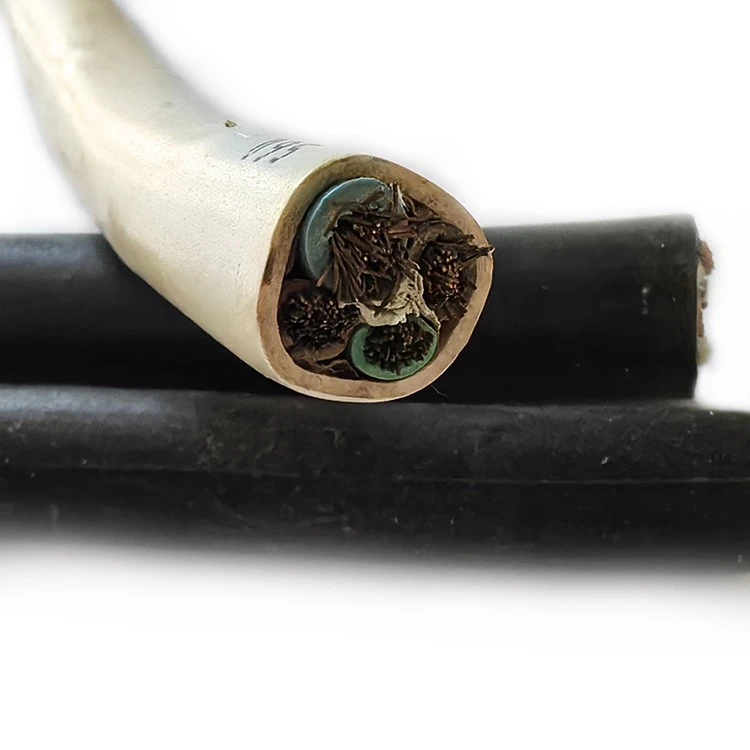

However, SF6 is a greenhouse gas, and its release into the atmosphere can have a significant impact on the environment. As a result, there is growing interest in developing alternative insulating gases with lower environmental impact.
4. EPR (Ethylene - Propylene Rubber) High - Voltage Cables
EPR high - voltage cables are known for their flexibility and excellent mechanical properties. The ethylene - propylene rubber insulation provides good electrical insulation and is resistant to abrasion, tearing, and impact.
These cables are often used in applications where flexibility is required, such as in industrial plants and mines. They can be easily bent and installed in tight spaces without compromising their performance.
EPR cables also have good resistance to ozone and UV radiation, making them suitable for outdoor installations. They can operate at a wide range of temperatures, from - 40°C to 90°C, which makes them versatile for different climates.
5. PVC (Polyvinyl Chloride) High - Voltage Cables
PVC high - voltage cables are relatively inexpensive and easy to install. The PVC insulation provides basic electrical insulation and is resistant to moisture and chemicals.
They are commonly used in low - to medium - voltage applications, such as in residential and commercial buildings. However, PVC cables have some limitations. They have a lower temperature rating compared to other types of cables, which means they are not suitable for high - power applications. Additionally, PVC can release toxic fumes when burned, which is a safety concern in some environments.
Price and Manufacturer Considerations
When it comes to purchasing high - voltage power cables, price is an important factor. You can find a detailed High Voltage Cable Price List on our website, which provides up - to - date information on the cost of different types of high - voltage cables.
It's also crucial to choose a reliable manufacturer. There are many High Voltage Power Cable Manufacturers in the market, but not all of them offer the same level of quality and service. Look for manufacturers with a good reputation, extensive experience, and a commitment to innovation and quality control.
Conclusion
In conclusion, there are several types of high - voltage power cables available, each with its own unique features and applications. Whether you need a cable for long - distance power transmission, industrial use, or automotive applications, there is a suitable option for you.
If you're in the market for high - voltage power cables, I encourage you to reach out for a detailed discussion. We can help you select the right type of cable based on your specific requirements, budget, and installation conditions. Our team of experts is ready to assist you throughout the purchasing process, from product selection to after - sales support. Don't hesitate to contact us to start the procurement negotiation and find the best high - voltage power cable solution for your needs.
References
- "High - Voltage Cable Engineering" by John Smith
- "Power Cable Technology" by David Johnson
- Industry reports on high - voltage power cable market trends