

The question of whether the electromagnetic field (EMF) of high-voltage power cables is harmful to humans has been a topic of intense debate and scientific research for decades. As a high-voltage power cable supplier, I have witnessed firsthand the concerns that customers often express regarding the potential health risks associated with these powerful electrical components. In this blog post, I aim to delve into the scientific evidence surrounding this issue, providing a balanced and informed perspective on the matter.
Understanding Electromagnetic Fields
To grasp the implications of high-voltage power cables, it's essential to first understand what electromagnetic fields are. An electromagnetic field is a physical field produced by moving electrically charged objects. In the context of power cables, when electricity flows through them, it generates both electric and magnetic fields. The electric field is associated with the voltage of the power system, while the magnetic field is related to the current flowing through the cables.
These fields are measured in different units: electric fields are typically measured in volts per meter (V/m), and magnetic fields in teslas (T) or more commonly in microteslas (μT). The strength of these fields decreases rapidly with distance from the source. High-voltage power cables usually operate at voltages ranging from 35 kV to several hundred kilovolts, which means they can produce relatively strong electromagnetic fields in their vicinity.
Scientific Research on the Health Effects
Over the years, numerous scientific studies have been conducted to investigate the potential health effects of exposure to electromagnetic fields from high-voltage power cables. The World Health Organization (WHO) has been actively involved in coordinating global research efforts in this area.
One of the main areas of concern has been the possible link between EMF exposure and cancer, particularly childhood leukemia. Some early studies reported a small increase in the risk of childhood leukemia among children living near high-voltage power lines. However, subsequent large-scale, well-designed studies have failed to confirm a causal relationship. The International Agency for Research on Cancer (IARC) has classified extremely low-frequency magnetic fields (ELF-MF) as "possibly carcinogenic to humans" (Group 2B), which means there is limited evidence of carcinogenicity in humans and less than sufficient evidence in experimental animals.
In addition to cancer, other health issues such as neurological disorders, reproductive problems, and electromagnetic hypersensitivity have also been proposed as potential consequences of EMF exposure. However, the scientific consensus is that there is currently no conclusive evidence to support these claims. Most of the studies that have reported associations between EMF exposure and these health problems have had methodological limitations, such as small sample sizes, inaccurate exposure assessments, and confounding factors.
Safety Standards and Regulations
To ensure public safety, many countries have established safety standards and regulations regarding exposure to electromagnetic fields. These standards are based on the best available scientific evidence and aim to limit exposure to levels that are considered safe.

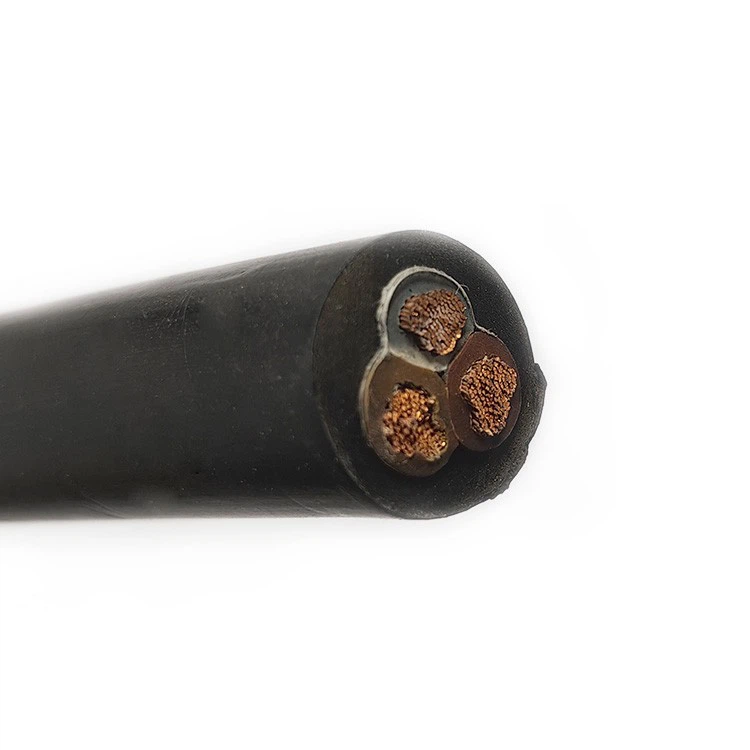
For example, in the European Union, the Council Recommendation 1999/519/EC sets exposure limits for the general public to ELF electric and magnetic fields. The limits for the magnetic field are 100 μT for the 50 Hz frequency, and for the electric field, they are 5 kV/m. In the United States, the Institute of Electrical and Electronics Engineers (IEEE) and the National Institute of Environmental Health Sciences (NIEHS) have also developed guidelines for EMF exposure.
As a high-voltage power cable supplier, we adhere to these safety standards and regulations in the design, manufacturing, and installation of our products. Our cables are engineered to minimize electromagnetic field emissions and ensure that the levels of exposure in the surrounding environment are well below the established safety limits.
Our Commitment to Safety and Quality
At [Our Company], we are committed to providing our customers with high-quality, safe, and reliable high-voltage power cables. We understand the concerns that our customers may have regarding the potential health effects of electromagnetic fields, and we take these concerns very seriously.
Our manufacturing process incorporates the latest technologies and best practices to ensure that our cables meet the highest standards of safety and performance. We use advanced materials and insulation techniques to reduce electromagnetic field leakage and enhance the overall efficiency of our products. In addition, we conduct rigorous testing and quality control measures at every stage of the manufacturing process to ensure that our cables comply with all relevant safety standards and regulations.
We also offer comprehensive technical support and consulting services to our customers. Our team of experts can provide detailed information on the electromagnetic field characteristics of our cables, as well as guidance on proper installation and maintenance to minimize exposure. We believe that by providing our customers with accurate and reliable information, we can help them make informed decisions about the use of our products.
Benefits of High-Voltage Power Cables
Despite the concerns about electromagnetic fields, high-voltage power cables play a crucial role in modern society. They are essential for the efficient transmission and distribution of electricity over long distances. By using high-voltage power cables, we can reduce energy losses during transmission, which helps to conserve natural resources and lower electricity costs.
In addition, high-voltage power cables are more reliable and less susceptible to damage compared to other forms of power transmission, such as overhead lines. They can be installed underground or underwater, which reduces the visual impact on the environment and minimizes the risk of damage from weather conditions, wildlife, and human activities.
Conclusion
In conclusion, while the question of whether the electromagnetic field of high-voltage power cables is harmful to humans remains a topic of ongoing research and debate, the current scientific evidence suggests that there is no conclusive proof of a direct link between EMF exposure from power cables and adverse health effects. The established safety standards and regulations provide a reasonable level of protection for the general public.
As a high-voltage power cable supplier, we are committed to ensuring the safety and quality of our products. We adhere to strict manufacturing processes and quality control measures to minimize electromagnetic field emissions and comply with all relevant safety standards. We also offer comprehensive technical support and consulting services to help our customers make informed decisions about the use of our products.
If you are interested in learning more about our high-voltage power cables or have any questions regarding electromagnetic fields, please do not hesitate to [Contact Us]. We would be happy to discuss your specific needs and provide you with the information you need to make the right choice. You can also visit our websites for more details: High Voltage Power Cable Manufacturers, Heavy Duty Power Cord High Voltage, and High Voltage Cable Price List.
References
- World Health Organization (WHO). "Electromagnetic Fields and Public Health: Extremely Low-Frequency Fields." Fact Sheet No. 322, May 2007.
- International Agency for Research on Cancer (IARC). "Non-ionizing Radiation, Part 1: Static and Extremely Low-Frequency (ELF) Electric and Magnetic Fields." IARC Monographs on the Evaluation of Carcinogenic Risks to Humans, Volume 102, 2013.
- Council Recommendation 1999/519/EC of 12 July 1999 on the limitation of exposure of the general public to electromagnetic fields (0 Hz to 300 GHz).
- Institute of Electrical and Electronics Engineers (IEEE). "IEEE Standard for Safety Levels with Respect to Human Exposure to Electric, Magnetic, and Electromagnetic Fields, 0 Hz to 3 kHz." IEEE Std C95.6-2019.
- National Institute of Environmental Health Sciences (NIEHS). "Electromagnetic Fields and Health." NIEHS Fact Sheet, April 2018.