

Hey there! As a supplier of mechanical power cords, I often get asked whether it's necessary to ground a mechanical power cord. Well, let's dive right into this topic and break it down.
First off, what does it mean to ground a power cord? Grounding is essentially creating a path for electrical current to flow safely into the earth in case of a fault. In a mechanical power cord, the grounding wire provides an alternative route for electricity when there's a short - circuit or other electrical problem.
Why Grounding is Crucial
Safety First
The most important reason for grounding a mechanical power cord is safety. Electrical equipment can sometimes develop faults where the live wire comes into contact with the metal casing of the device. Without a grounding wire, anyone who touches the casing could get electrocuted. For example, imagine a large industrial machine. If there's a short - circuit inside and the metal frame becomes energized, a person working on or near the machine is at serious risk. But when the power cord is properly grounded, the excess current will flow through the grounding wire to the earth, protecting the user from harm.
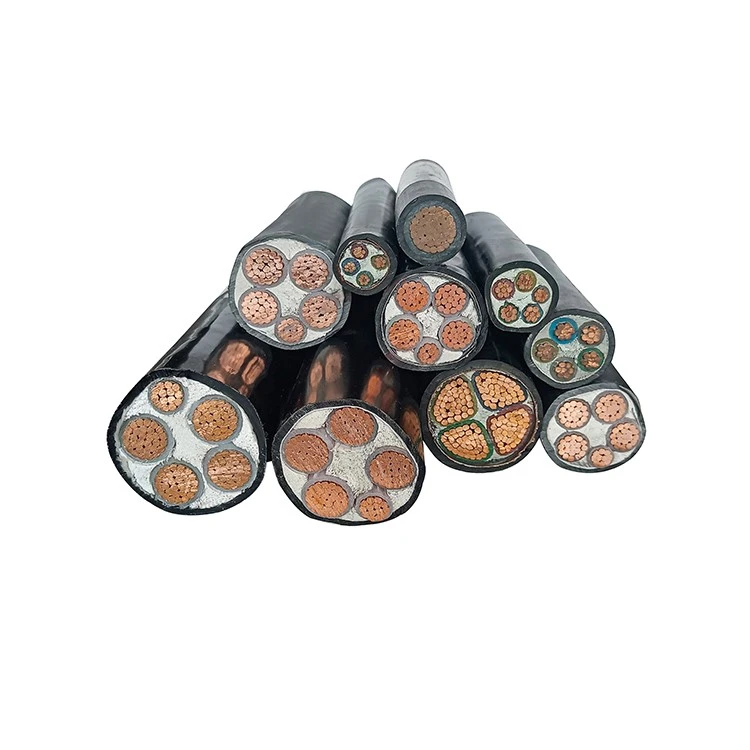

Equipment Protection
Grounding also helps protect the equipment itself. Electrical surges can occur due to lightning strikes, power grid fluctuations, or other reasons. These surges can damage sensitive electronic components in mechanical devices. A grounded power cord can divert the excess electrical energy away from the equipment, reducing the risk of damage. This means your machines will have a longer lifespan and require fewer repairs, which can save you a lot of money in the long run.
Compliance with Standards
Many countries and industries have strict electrical safety standards that require power cords to be grounded. For example, in the United States, the National Electrical Code (NEC) mandates grounding for most electrical equipment. If you're using ungrounded power cords in a commercial or industrial setting, you could be in violation of these regulations, which can lead to fines and other legal issues.
When Grounding Might Not Seem Necessary
There are some situations where people might think grounding isn't necessary. For instance, in some low - voltage or battery - powered devices, the risk of electrical shock is relatively low. However, it's important to note that even low - voltage systems can pose a danger under certain conditions. Also, some older equipment might not have a grounding plug, but that doesn't mean it's safe to operate without proper grounding. In fact, retrofitting these devices with a grounded power cord can significantly improve their safety.
Our Product Range and Grounding
At our company, we offer a wide range of mechanical power cords, all of which are designed with grounding in mind. We have an Extension Cord with Multiple Spaced Outlets that is perfect for situations where you need to power multiple devices from a single source. This cord is grounded to ensure the safety of all connected equipment.
Our 14 50r Generator Cord is another great option. When using a generator, grounding is especially important because generators can produce high - voltage electricity. Our generator cord has a reliable grounding system to protect both the generator and the connected devices.
And if you have specific requirements for your mechanical equipment, we also offer Custom Best Power Cord for Machine. We can customize the cord length, gauge, and other features to meet your exact needs, while always ensuring proper grounding for maximum safety.
Making the Right Choice
When choosing a mechanical power cord, it's essential to consider the grounding requirements. Don't just go for the cheapest option or assume that all cords are the same. Look for cords that are certified to meet relevant safety standards. Check the grounding wire to make sure it's in good condition and properly connected.
If you're still not sure whether a grounded power cord is right for your situation, our team of experts is here to help. We can provide you with detailed information and advice based on your specific needs. Whether you're running a small workshop or a large industrial facility, we have the right power cord for you.
Conclusion
In conclusion, grounding a mechanical power cord is definitely necessary. It's not just about following the rules; it's about protecting people and equipment from the dangers of electricity. At our company, we're committed to providing high - quality, grounded power cords that meet the highest safety standards.
If you're interested in purchasing our mechanical power cords or have any questions about grounding or our products, feel free to reach out. We're always happy to have a chat and help you find the best solution for your electrical needs. Let's work together to ensure your operations are safe and efficient.
References
- National Electrical Code (NEC)
- Electrical Safety Foundation International (ESFI)
- Underwriters Laboratories (UL) standards for power cords