

As a seasoned high-voltage power cable supplier, I understand the critical role that cost management plays in the power industry. High-voltage power cables are essential components in electrical transmission and distribution systems, but their high costs can pose significant challenges for project budgets. In this blog post, I will share some practical strategies on how to reduce the cost of high-voltage power cables without compromising on quality and performance.
1. Optimize Cable Design
One of the most effective ways to reduce the cost of high-voltage power cables is to optimize their design. By carefully selecting the right materials and construction methods, we can achieve a balance between performance and cost. For example, using high-quality yet cost-effective insulation materials can significantly reduce the overall cost of the cable. Some modern insulation materials offer excellent electrical properties at a lower cost compared to traditional options.

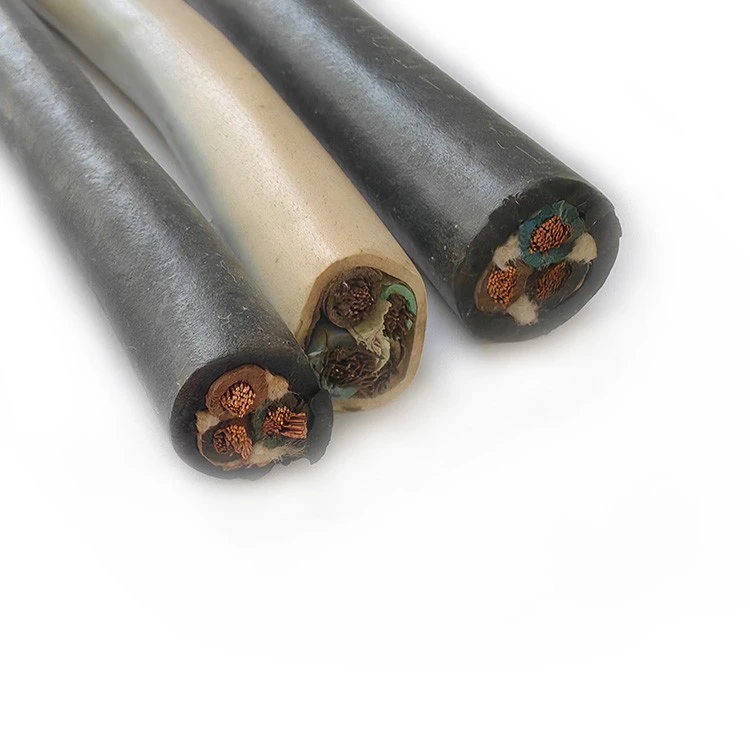
Another aspect of cable design optimization is to minimize the cable's cross-sectional area while still meeting the required electrical and mechanical specifications. This can be achieved through advanced engineering techniques and simulations. By reducing the amount of conductor material used, we can directly lower the cost of the cable. Additionally, optimizing the cable's structure can also improve its installation efficiency, which can further reduce labor costs.
2. Source Materials Wisely
The cost of raw materials is a major factor in the price of high-voltage power cables. As a supplier, we have the responsibility to source materials from reliable and cost-effective suppliers. Establishing long-term partnerships with material suppliers can often lead to better pricing and more stable supply. We should also keep an eye on the market trends of raw materials, such as copper and aluminum, which are commonly used in cable conductors. By purchasing materials at the right time and in the right quantity, we can take advantage of price fluctuations and reduce costs.
In addition to traditional conductor materials, exploring alternative materials can also be a viable option. For example, some new composite materials are emerging in the market that offer similar electrical properties to copper and aluminum at a lower cost. However, when considering alternative materials, we must ensure that they meet all the necessary safety and performance standards.
3. Improve Manufacturing Efficiency
Efficient manufacturing processes can significantly reduce the cost of high-voltage power cables. By investing in advanced manufacturing equipment and technologies, we can increase production speed and reduce waste. Automation can play a crucial role in improving manufacturing efficiency. Automated production lines can perform tasks such as cable extrusion, insulation application, and sheathing with high precision and consistency, which not only reduces labor costs but also improves product quality.
Another way to improve manufacturing efficiency is to implement lean manufacturing principles. This involves streamlining the production process, eliminating non-value-added activities, and reducing inventory levels. By optimizing the production flow, we can reduce lead times and improve overall productivity.
4. Standardize Cable Specifications
Standardizing cable specifications can bring several benefits in terms of cost reduction. When we have a limited number of standard cable designs and sizes, it becomes easier to manage inventory and production. This reduces the complexity of the manufacturing process and can lead to economies of scale. Standardized cables are also more likely to be readily available in the market, which can reduce lead times and potentially lower costs.
Moreover, standardization can simplify the procurement process for our customers. They can more easily compare prices and specifications between different suppliers, which can lead to more competitive pricing. As a supplier, we can also benefit from standardization by being able to offer more competitive prices due to the reduced production costs.
5. Consider Cable Installation and Maintenance
The cost of high-voltage power cables is not limited to the purchase price. Installation and maintenance costs also need to be taken into account. By providing cables that are easy to install, we can reduce labor costs for our customers. For example, cables with flexible designs and pre-terminated ends can significantly speed up the installation process.
In terms of maintenance, choosing cables with long service lives and low maintenance requirements can save costs in the long run. Some cables are designed with self-healing insulation or corrosion-resistant materials, which can reduce the need for frequent maintenance and replacement. By working closely with our customers to understand their installation and maintenance needs, we can recommend the most cost-effective cable solutions.
6. Explore Bulk Purchasing and Long-Term Contracts
For large-scale projects or customers with ongoing cable needs, bulk purchasing and long-term contracts can be effective cost-saving strategies. Bulk purchasing allows us to negotiate better prices with our suppliers due to the larger order volume. We can then pass on these savings to our customers. Long-term contracts provide stability for both the supplier and the customer. They allow us to plan our production and inventory more effectively, which can lead to cost savings. Additionally, long-term contracts often include price adjustment mechanisms based on market conditions, which can protect both parties from significant price fluctuations.
7. Stay Informed about Industry Trends
The high-voltage power cable industry is constantly evolving, with new technologies and materials emerging all the time. Staying informed about these industry trends can help us identify new opportunities for cost reduction. For example, advancements in cable insulation technology may lead to the development of more cost-effective and high-performance cables. By being an early adopter of these new technologies, we can offer our customers better products at a lower cost.
We can also keep an eye on regulatory changes and industry standards. Compliance with these regulations is essential, but sometimes they can also create opportunities for cost reduction. For example, new standards may encourage the use of more energy-efficient cables, which can lead to long-term cost savings for our customers.
Conclusion
Reducing the cost of high-voltage power cables is a complex but achievable goal. By optimizing cable design, sourcing materials wisely, improving manufacturing efficiency, standardizing specifications, considering installation and maintenance, exploring bulk purchasing and long-term contracts, and staying informed about industry trends, we can offer our customers cost-effective cable solutions without sacrificing quality.
If you are interested in learning more about our high-voltage power cables or would like to discuss your specific cable needs, please feel free to reach out to us. We are committed to providing the best products and services at competitive prices. You can also visit our High Voltage Cable Price List to get an idea of our pricing. For more information about high-voltage power cable manufacturers, please refer to our High Voltage Power Cable Manufacturers page. And if you are interested in automotive high-voltage cables, check out our Automotive High Voltage Cable section.
References
- IEEE Standards Association. (Year). IEEE Standards for High-Voltage Power Cables.
- International Electrotechnical Commission (IEC). (Year). IEC Standards for Electrical Cables and Wires.
- Power Cable Manufacturers Association. (Year). Best Practices for Cost-Effective Cable Manufacturing.