

Humidity is one of the most significant threats to high-voltage power cables. As a high-voltage power cable supplier, I understand the importance of protecting these crucial components from the damaging effects of moisture. In this blog, I will share some effective strategies and best practices to safeguard high-voltage power cables from humidity.
Understanding the Risks of Humidity to High-Voltage Power Cables
Before delving into protection methods, it's essential to comprehend why humidity poses such a threat to high-voltage power cables. Moisture can penetrate the cable insulation, leading to a phenomenon known as water treeing. Water trees are microscopic channels filled with water that form within the insulation material over time. These water trees can gradually degrade the insulation's electrical properties, increasing the risk of electrical breakdown and ultimately causing cable failure.
In addition to water treeing, humidity can also cause corrosion of the cable's metallic components, such as the conductor and armor. Corrosion weakens the structural integrity of the cable, making it more susceptible to mechanical damage and further reducing its lifespan.
Selecting the Right Cable Design and Materials
One of the first steps in protecting high-voltage power cables from humidity is to choose the right cable design and materials. When selecting cables, look for those with robust insulation materials that have high resistance to moisture absorption. Cross-linked polyethylene (XLPE) is a popular choice for high-voltage cable insulation due to its excellent electrical properties and resistance to water treeing.
In addition to the insulation material, the cable's outer sheath also plays a crucial role in protecting it from humidity. Opt for cables with a durable and moisture-resistant outer sheath, such as polyethylene (PE) or polyvinyl chloride (PVC). These materials provide an additional layer of protection against moisture ingress.
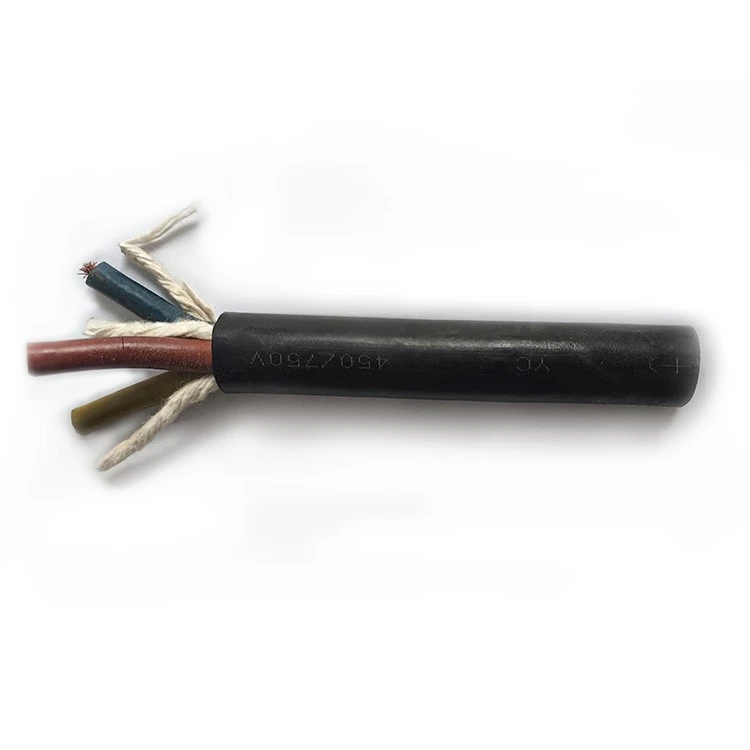
Another important consideration is the cable's construction. Some cables are designed with a moisture barrier layer, such as a metal tape or a plastic film, to prevent moisture from reaching the insulation. These moisture barrier layers can significantly enhance the cable's resistance to humidity.
Proper Installation and Sealing
Proper installation and sealing are essential for protecting high-voltage power cables from humidity. During installation, ensure that the cables are installed in a dry and clean environment. Avoid installing cables in areas prone to flooding or excessive moisture, such as basements or near water sources.
When making cable connections, use high-quality connectors and seals that are designed to prevent moisture ingress. Make sure the connectors are properly tightened and sealed to create a watertight connection. Additionally, use cable glands and grommets to seal the cable entry points in cabinets and enclosures.
It's also important to protect the cable terminations from humidity. Cable terminations are particularly vulnerable to moisture ingress, as they are exposed to the environment. Use termination kits that include moisture-resistant materials and follow the manufacturer's instructions carefully during installation.

Regular Inspections and Maintenance
Regular inspections and maintenance are crucial for detecting and addressing any potential humidity-related issues with high-voltage power cables. Conduct visual inspections of the cables periodically to check for signs of moisture damage, such as water stains, corrosion, or swelling.
In addition to visual inspections, perform electrical tests on the cables to assess their insulation resistance. A significant decrease in insulation resistance can indicate moisture ingress or other insulation problems. If any issues are detected during the inspections or tests, take immediate action to address them.
Maintain a proper maintenance schedule for the cables, including cleaning and lubricating the connectors and seals. This helps to ensure that the cables remain in good condition and are protected from humidity.
Environmental Control
Controlling the environment where the high-voltage power cables are installed can also help to protect them from humidity. If possible, install the cables in a climate-controlled environment, such as a temperature and humidity-controlled room or a sealed enclosure. This helps to maintain a stable and dry environment for the cables, reducing the risk of moisture damage.
In areas where climate control is not feasible, use dehumidifiers or moisture absorbers to reduce the humidity levels. These devices can help to remove excess moisture from the air and create a drier environment for the cables.
Monitoring and Early Warning Systems
Implementing monitoring and early warning systems can provide real-time information about the condition of the high-voltage power cables and help to detect any potential humidity-related issues before they cause significant damage. Use sensors to monitor the temperature, humidity, and insulation resistance of the cables. These sensors can be connected to a monitoring system that alerts you if any parameters exceed the normal range.
Some advanced monitoring systems can also provide predictive analytics, allowing you to anticipate potential problems and take proactive measures to prevent them. By using monitoring and early warning systems, you can minimize the risk of cable failure and ensure the reliable operation of your high-voltage power cables.
Conclusion
Protecting high-voltage power cables from humidity is essential for ensuring their reliable operation and longevity. By selecting the right cable design and materials, installing the cables properly, conducting regular inspections and maintenance, controlling the environment, and implementing monitoring and early warning systems, you can significantly reduce the risk of moisture damage to your high-voltage power cables.
As a high-voltage power cable supplier, I am committed to providing high-quality cables and solutions that are designed to withstand the challenges of humidity and other environmental factors. If you are interested in learning more about our high-voltage power cables or need assistance with protecting your cables from humidity, please feel free to [initiate a conversation about your requirements]. We look forward to the opportunity to collaborate with you and meet your high-voltage power cable needs.
For more information about high-voltage power cables, you can visit our websites: High Voltage Power Cable Manufacturers, High Tension Electric Cable, and Heavy Duty Power Cord High Voltage.
References
- "High Voltage Cable Technology" by John J. Burke
- "Insulation Materials for High Voltage Cables" by IEEE Electrical Insulation Magazine
- "Moisture Effects on High Voltage Cable Insulation" by International Council on Large Electric Systems (CIGRE)