

Hey there! As a supplier of mechanical branch cables, I've seen my fair share of issues, and one of the most common problems is cable overheating. Overheating can not only reduce the lifespan of the cable but also pose serious safety risks. So, today I'm gonna share some tips on how to prevent the overheating of a mechanical branch cable.
Understanding the Causes of Overheating
Before we dive into the prevention methods, it's important to understand what causes a mechanical branch cable to overheat. There are several factors that can contribute to this issue:
- Overloading: This is one of the most common causes. When you connect too many devices or appliances to a cable, it has to carry more current than it's designed for. This extra current generates heat, and if it continues for a long time, the cable can overheat.
- Poor Ventilation: Cables need proper ventilation to dissipate heat. If they're installed in a confined space or covered with insulation materials, the heat can't escape, leading to overheating.
- Faulty Connections: Loose or corroded connections can increase resistance in the circuit. When current flows through a high - resistance connection, it generates more heat, which can spread to the cable and cause overheating.
- Environmental Factors: High ambient temperatures can also make it harder for the cable to cool down. For example, if the cable is installed in a hot industrial environment or near a heat source like a furnace, it's more likely to overheat.
Prevention Methods
1. Proper Sizing and Loading
- Select the Right Cable: Make sure you choose a mechanical branch cable with the appropriate ampacity for your application. The ampacity is the maximum amount of current the cable can safely carry. You can refer to the cable's specifications or consult an electrician to determine the right size. For instance, if you're using the cable to power a high - power machine, you'll need a cable with a higher ampacity. Check out our China Factory Machine Branch Circuit Wire for a wide range of options.
- Avoid Overloading: Don't connect more devices or appliances to the cable than it can handle. Calculate the total power consumption of all the connected devices and make sure it's within the cable's ampacity. If you need to add more equipment, consider installing a new cable or upgrading to a larger one.
2. Good Ventilation
- Install in Well - Ventilated Areas: When installing the mechanical branch cable, choose a location with good air circulation. Avoid placing it in tight spaces or behind large objects that can block the airflow. For example, if you're installing the cable in a cabinet, make sure there are enough ventilation holes.
- Use Cable Trays or Raceways: Cable trays and raceways can help keep the cables separated and allow air to flow around them. This helps in dissipating heat more effectively. You can also use open - type cable trays for better ventilation.
3. Ensure Proper Connections
- Tighten Connections: Make sure all the connections are tight and secure. Loose connections can cause arcing and overheating. Use the appropriate tools to tighten the terminals and check them regularly for any signs of loosening.
- Clean and Protect Connections: Corrosion can increase resistance in the connections. Clean the terminals regularly and use anti - corrosion compounds to protect them. This is especially important in humid or corrosive environments.
4. Manage Environmental Conditions
- Keep Away from Heat Sources: Try to install the cable away from sources of heat such as heaters, boilers, or direct sunlight. If it's unavoidable to be near a heat source, use insulation materials that can withstand high temperatures to protect the cable.
- Use Cooling Systems: In extremely hot environments, you can consider using cooling systems like fans or air conditioners to lower the ambient temperature around the cable.
5. Regular Inspections and Maintenance
- Visual Inspections: Conduct regular visual inspections of the cable to check for any signs of damage, such as frayed insulation, discoloration, or melting. If you notice any issues, replace the cable immediately.
- Thermal Imaging: Thermal imaging cameras can be used to detect hot spots in the cable and connections. This can help you identify potential problems before they become serious.
Monitoring the Cable Temperature
Installing temperature sensors on the mechanical branch cable can be a great way to keep an eye on its temperature. These sensors can send real - time data to a monitoring system, allowing you to detect any abnormal temperature increases early. If the temperature exceeds a pre - set threshold, you can take immediate action, such as shutting down the connected devices or investigating the cause of the overheating.

Choosing High - Quality Cables
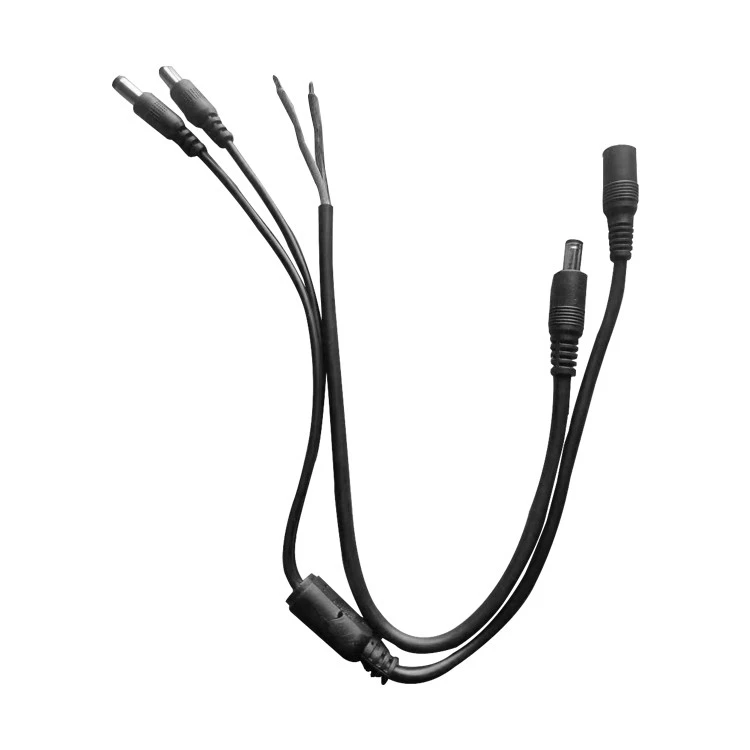
Using high - quality cables is crucial in preventing overheating. High - quality cables are made with better insulation materials and conductors, which have lower resistance and can handle heat more effectively. Our High Quality Machine Branch Circuit Wire is designed to meet the highest standards of quality and performance. It's built to last and can withstand the rigors of various applications, reducing the risk of overheating.
Conclusion
Preventing the overheating of a mechanical branch cable is essential for ensuring its safe and efficient operation. By following the tips mentioned above, such as proper sizing, good ventilation, proper connections, and regular maintenance, you can significantly reduce the risk of overheating. Remember, using high - quality cables like our Machine Branch Circuit Wire is also a key factor in preventing overheating.
If you're interested in purchasing mechanical branch cables or have any questions about preventing cable overheating, feel free to reach out to us. We're here to help you find the best solutions for your needs.
References
- Electrical Safety Codes and Standards
- Cable Manufacturer's Technical Documents