

As a high-voltage power cable supplier, I've seen firsthand the critical role these cables play in nuclear power plants. Ensuring their safety isn't just a technical necessity; it's a matter of public safety and environmental protection. In this blog, I'll share some insights on how to keep high-voltage power cables in nuclear power plants safe and reliable.
Understanding the Unique Challenges
Nuclear power plants are a whole different ballgame compared to other power generation facilities. The high levels of radiation, extreme temperatures, and high humidity can take a real toll on high-voltage power cables. Radiation can break down the cable insulation, making it less effective at preventing electrical leaks. Extreme temperatures can cause the cable materials to expand and contract, leading to mechanical stress and potential damage. And high humidity can lead to corrosion and moisture ingress, which can also compromise the cable's performance.
To make matters worse, nuclear power plants require a high level of reliability. A cable failure can lead to power outages, which can have serious consequences for the plant's operations and safety. That's why it's crucial to take a proactive approach to cable safety.
Selecting the Right Cables
The first step in ensuring cable safety is to choose the right cables for the job. Not all high-voltage power cables are created equal, and you need to make sure you're using cables that are specifically designed for the harsh conditions in nuclear power plants.
Look for cables that are radiation-resistant, heat-resistant, and moisture-resistant. These cables are typically made with special materials that can withstand the extreme conditions in the plant. For example, some cables are made with cross-linked polyethylene (XLPE) insulation, which is known for its excellent radiation resistance and electrical properties.
You can check out our Heavy Duty Power Cord High Voltage for more information on the types of cables we offer that are suitable for nuclear power plants.
Proper Installation
Once you've selected the right cables, it's important to install them correctly. Improper installation can lead to a whole host of problems, including cable damage, electrical faults, and safety hazards.
Make sure you follow the manufacturer's installation instructions carefully. This includes proper cable routing, support, and termination. Cable routing should be done in a way that minimizes the risk of damage from mechanical stress, heat, and moisture. Cables should be supported at regular intervals to prevent sagging and excessive movement. And proper termination is essential to ensure a reliable electrical connection and to prevent moisture ingress.
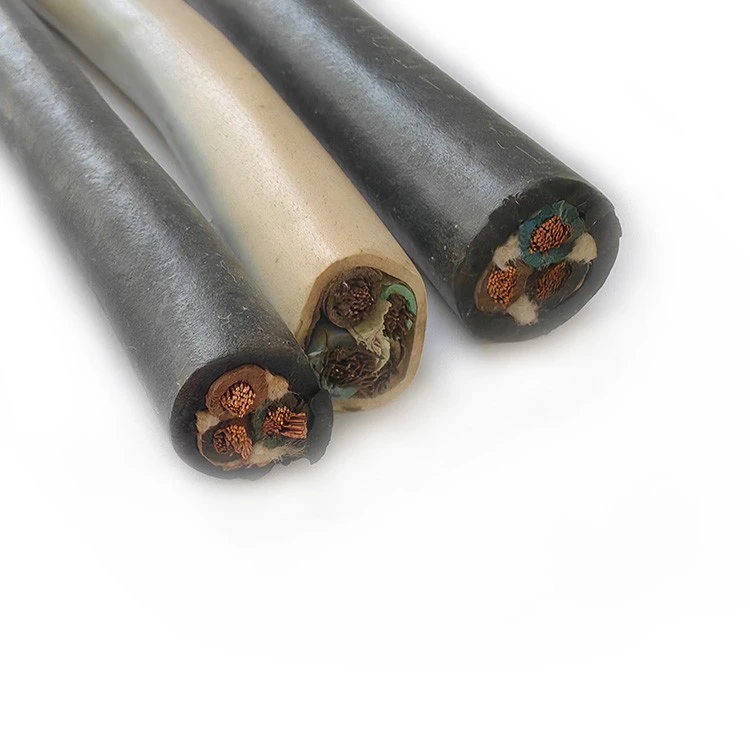

It's also a good idea to have a professional electrician or cable installer handle the installation. They have the experience and expertise to ensure that the cables are installed correctly and safely.
Regular Inspections and Maintenance
Regular inspections and maintenance are key to keeping high-voltage power cables in good condition. You should have a comprehensive inspection and maintenance program in place to detect and address any potential issues before they become major problems.
Inspections should be done on a regular basis, depending on the age and condition of the cables. This can include visual inspections, electrical testing, and insulation resistance testing. Visual inspections can help detect any signs of physical damage, such as cracks, abrasions, or corrosion. Electrical testing can help identify any electrical faults or problems with the cable's performance. And insulation resistance testing can help determine the condition of the cable insulation.
If any issues are detected during the inspection, they should be addressed immediately. This may involve repairing or replacing the damaged cables or components.
Monitoring and Early Warning Systems
In addition to regular inspections and maintenance, it's also a good idea to have monitoring and early warning systems in place. These systems can help detect any changes in the cable's performance or condition in real-time, allowing you to take proactive measures to prevent failures.
There are several types of monitoring systems available, including temperature monitoring, partial discharge monitoring, and cable fault detection systems. Temperature monitoring can help detect any overheating in the cables, which can be a sign of a problem. Partial discharge monitoring can help detect any electrical discharges within the cable insulation, which can indicate insulation degradation. And cable fault detection systems can help quickly identify and locate any cable faults, allowing for rapid repair.
Training and Education
Finally, it's important to provide training and education to the personnel who are responsible for the operation and maintenance of the high-voltage power cables in the nuclear power plant. They need to have a good understanding of the cable systems, the potential hazards, and the proper procedures for inspection, maintenance, and repair.
Training should cover topics such as cable safety, installation, testing, and troubleshooting. It should also include hands-on training to ensure that the personnel have the practical skills and experience to perform their jobs safely and effectively.
Conclusion
Ensuring the safety of high-voltage power cables in nuclear power plants is a complex and challenging task. But by selecting the right cables, installing them correctly, performing regular inspections and maintenance, using monitoring and early warning systems, and providing training and education, you can significantly reduce the risk of cable failures and ensure the reliable operation of the plant.
If you're in the market for high-voltage power cables for your nuclear power plant, we'd love to talk to you. We have a wide range of high-quality cables that are designed to meet the specific needs of nuclear power plants. You can check out our High Voltage Cable Price List to get an idea of our pricing. And if you have any questions or need more information, feel free to reach out to us. We're here to help you ensure the safety and reliability of your high-voltage power cable systems.
References
- "High-Voltage Cable Technology" by John W. McDonald
- "Nuclear Power Plant Cable Systems: Design, Installation, and Maintenance" by the Electric Power Research Institute