

Hey there! As a supplier of high - voltage power cables, I'm super stoked to spill the beans on how these bad boys work. High - voltage power cables are like the unsung heroes of our electrical infrastructure, quietly moving huge amounts of electricity over long distances. Let's dig into the nitty - gritty of how they function.
First off, what exactly is high - voltage? Well, it's generally considered to be anything above 1000 volts in AC (alternating current) and 1500 volts in DC (direct current). High - voltage power cables are used to transmit electricity from power plants to substations and then on to our homes and businesses. They can handle a whole lot of electrical energy, which is crucial for keeping the lights on and our devices running.
Let's talk about the basic components of a high - voltage power cable. At the heart of it, there's the conductor. This is usually made of copper or aluminum because these metals are great conductors of electricity. Copper is more expensive but has better conductivity, while aluminum is lighter and more cost - effective. The conductor is what actually carries the electrical current.
Surrounding the conductor is the insulation. This is a super important part of the cable. Its job is to prevent the electrical current from leaking out and causing short - circuits or other problems. The insulation has to be able to withstand the high voltage without breaking down. Materials like cross - linked polyethylene (XLPE) are commonly used for insulation in high - voltage power cables. XLPE is great because it has excellent electrical properties and can handle high temperatures.

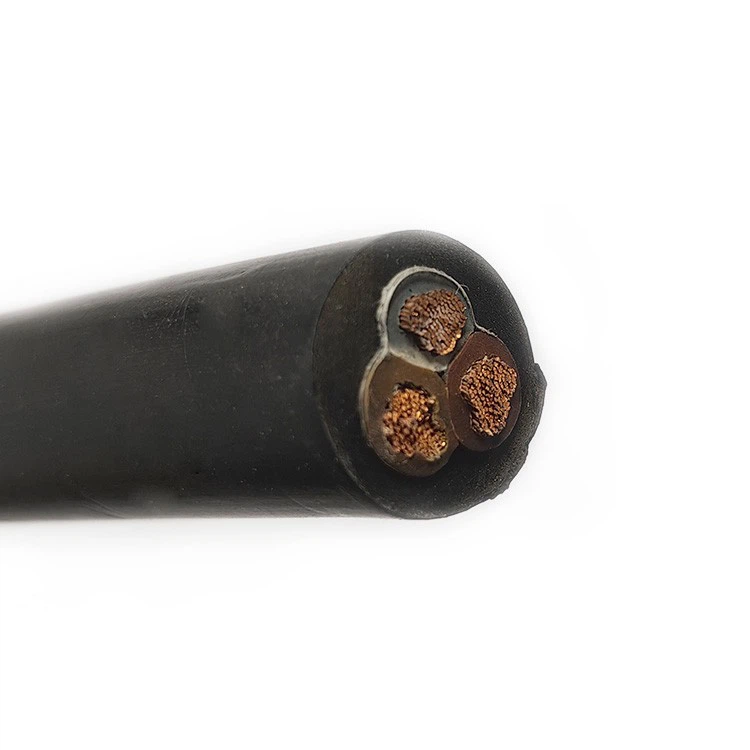
Next up is the shielding. There are two types of shielding in a high - voltage power cable: the inner shielding and the outer shielding. The inner shielding is placed between the conductor and the insulation. It helps to distribute the electrical field evenly around the conductor, reducing the stress on the insulation. The outer shielding is on the outside of the insulation. It protects the cable from external electrical interference and also helps to drain any electrical charges that might build up on the surface of the insulation.
Finally, there's the jacket. The jacket is the outermost layer of the cable. It protects the cable from physical damage, moisture, chemicals, and environmental factors. Jackets can be made from materials like polyvinyl chloride (PVC) or polyethylene, depending on the specific application and the environment where the cable will be used.
Now, let's get into how the electricity actually moves through the cable. When a power plant generates electricity, it usually produces alternating current. The high - voltage power cable takes this AC electricity and transports it over long distances. The reason we use high voltage for long - distance transmission is that it reduces the power loss. According to the power formula P = VI (power equals voltage times current), if we increase the voltage, we can decrease the current for the same amount of power. And since the power loss in a cable is given by P_loss = I²R (power loss equals the square of the current times the resistance of the cable), reducing the current means less power is lost as heat in the cable.
As the electricity travels through the conductor, it creates an electromagnetic field around it. The insulation and shielding work together to contain this field and prevent it from causing problems. The insulation keeps the current inside the conductor, and the shielding helps to manage the electromagnetic interference.
When the electricity reaches a substation, the voltage is stepped down using transformers. Transformers are devices that can change the voltage of an electrical current. After the voltage is reduced, the electricity can be distributed to homes and businesses through lower - voltage power lines.
There are different types of high - voltage power cables for different applications. For example, Heavy Duty Power Cord High Voltage is designed to handle a large amount of power and is often used in industrial settings. These cables are built tough to withstand the rigors of heavy - duty use.
On the other hand, Automotive High Voltage Cable is used in electric and hybrid vehicles. These cables need to be lightweight, flexible, and able to handle high - voltage electricity in a confined space. They also have to meet strict safety standards to ensure the well - being of the vehicle's occupants.
When it comes to getting high - voltage power cables, it's important to choose a reliable supplier. There are many High Voltage Power Cable Manufacturers out there, but not all of them offer the same quality. As a supplier, I take pride in providing high - quality cables that meet the highest industry standards. Our cables are rigorously tested to ensure they can handle the high voltage and perform well in different environments.
If you're in the market for high - voltage power cables, whether it's for an industrial project, an automotive application, or something else, I'd love to have a chat with you. We can discuss your specific needs, and I can help you find the perfect cable for your situation. Don't hesitate to reach out and start the conversation. We're here to make sure you get the best high - voltage power cables for your money.
References
- Grover, A. K. (2007). Electrical Machine Design. New Age International.
- Dorf, R. C., & Svoboda, J. A. (2010). Introduction to Electric Circuits. Wiley.