

Hey there! As an outdoor power cord supplier, I often get asked how to test if an outdoor power cord is working. It's a crucial question, especially when you're relying on these cords to power your outdoor equipment, like lawn mowers, holiday lights, or even your Power Cord for Nest Outdoor Camera. In this blog, I'll walk you through some simple and effective ways to test your outdoor power cords.
Why Testing is Important
First off, let's talk about why it's so important to test your outdoor power cords. Outdoor cords are exposed to all sorts of harsh conditions - rain, snow, sunlight, and even physical damage from being stepped on or run over. Over time, these conditions can cause wear and tear on the cord, leading to frayed wires, loose connections, or other issues that can make the cord unsafe or ineffective.
Testing your cords regularly can help you catch these problems early, preventing potential electrical hazards like short circuits, electrical shocks, or even fires. It also ensures that your outdoor equipment gets the power it needs to work properly, so you don't have to deal with frustrating interruptions or malfunctions.
Tools You'll Need
Before you start testing your outdoor power cord, you'll need a few tools. The most important one is a voltage tester. You can find these at any hardware store, and they're relatively inexpensive. A voltage tester is a simple device that can tell you if there's electricity flowing through the cord.
You'll also need a pair of insulated gloves to protect yourself from electrical shocks. Make sure the gloves are rated for the voltage you'll be working with, and always inspect them for any signs of damage before you use them.
Visual Inspection
The first step in testing your outdoor power cord is to give it a good visual inspection. Start by unplugging the cord from the power source. Then, carefully examine the entire length of the cord, looking for any signs of damage.
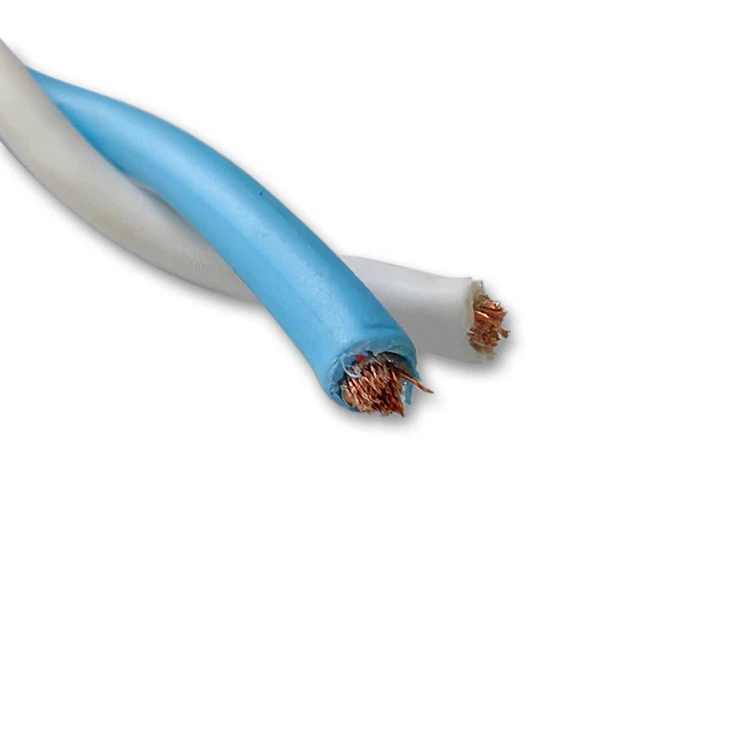

Check for frayed or exposed wires, cuts, cracks, or other visible signs of wear and tear. Pay special attention to the ends of the cord, where it connects to the plug and the device. If you see any damage, don't use the cord. It's not safe, and you should replace it immediately.
Also, check the plug and the socket for any signs of overheating, such as discoloration or melting. If you notice any of these signs, it could indicate a problem with the cord or the electrical outlet, and you should have it checked by a professional.
Using a Voltage Tester
Once you've completed the visual inspection and you're satisfied that the cord looks okay, it's time to use the voltage tester. Here's how to do it:
-
Set up the voltage tester: Follow the instructions that came with your voltage tester to set it up for the appropriate voltage. Most outdoor power cords operate at 120 volts, but it's always a good idea to double-check.
-
Test the outlet: Before you test the cord, it's a good idea to test the electrical outlet to make sure it's working properly. Insert the probes of the voltage tester into the slots of the outlet. If the tester lights up or beeps, it means there's electricity flowing through the outlet.
-
Test the cord: Plug the cord into the outlet, and then insert the probes of the voltage tester into the slots of the cord's socket. If the tester lights up or beeps, it means there's electricity flowing through the cord, and it's working properly.
If the tester doesn't light up or beep, there could be a problem with the cord. It could be a loose connection, a broken wire, or a problem with the plug. You may need to check the connections at both ends of the cord, or you may need to replace the cord.
Testing the Ground
In addition to testing for voltage, it's also important to test the ground on your outdoor power cord. The ground is a safety feature that helps protect you from electrical shocks by providing a path for the electricity to flow safely into the ground if there's a problem with the cord or the device.
To test the ground, you'll need a ground fault circuit interrupter (GFCI) tester. You can find these at most hardware stores. Here's how to use it:
- Plug the GFCI tester into the cord's socket: Make sure the cord is plugged into a working outlet.
- Press the test button: The GFCI tester will simulate a ground fault, and if the cord's ground is working properly, the GFCI will trip, cutting off the power to the cord.
If the GFCI doesn't trip, there could be a problem with the ground. It could be a loose connection, a broken wire, or a problem with the GFCI itself. You should have the cord or the GFCI checked by a professional.
Testing with a Load
Another way to test your outdoor power cord is to test it with a load. A load is any device that uses electricity, like a light bulb or a small appliance.
To test the cord with a load, plug the device into the cord's socket, and then plug the cord into the outlet. Turn on the device, and see if it works properly. If it does, it means the cord is working fine.
If the device doesn't work, or if it works intermittently, there could be a problem with the cord. It could be a loose connection, a broken wire, or a problem with the device itself. You may need to check the connections at both ends of the cord, or you may need to test the device with another cord to see if the problem is with the cord or the device.
Testing Different Types of Cords
Not all outdoor power cords are the same, and the testing process may vary depending on the type of cord you have. For example, if you have a Low Profile Outdoor Extension Cord, it may have a different design or construction than a standard cord, which could affect how you test it.
Similarly, if you have a 200 ft Heavy Duty Extension Cord, you may need to take additional precautions when testing it, due to its length and the higher amount of power it can carry.
Always refer to the manufacturer's instructions for specific testing guidelines for your particular cord. If you're unsure how to test a certain type of cord, or if you have any questions or concerns, don't hesitate to contact the manufacturer or a professional electrician for advice.
Conclusion
Testing your outdoor power cord is an important part of maintaining its safety and effectiveness. By following the steps outlined in this blog, you can easily test your cords at home, using simple tools and techniques.
Remember, if you ever feel unsure or uncomfortable working with electricity, or if you suspect that there's a serious problem with your cord, it's always best to call a professional electrician. They have the knowledge and experience to handle electrical issues safely and effectively.
If you're in the market for a new outdoor power cord, we've got you covered. As a leading outdoor power cord supplier, we offer a wide range of high-quality cords to meet your needs. Whether you need a low-profile cord for your patio lights, a heavy-duty cord for your power tools, or a specialized cord for your outdoor camera, we have the perfect solution for you.
If you're interested in learning more about our products or have any questions about outdoor power cords, feel free to reach out to us. We're here to help you find the right cord for your needs and ensure that you have a safe and reliable power supply for your outdoor activities. Let's start a conversation and see how we can work together to meet your power cord requirements!
References
- "Electrical Safety Tips for Outdoor Use." U.S. Consumer Product Safety Commission.
- "How to Test an Electrical Cord." Family Handyman.
- "Testing Electrical Outlets and Cords." The Home Depot.