

Repairing a damaged automotive battery jumper cable might seem like a daunting task, but with the right knowledge and tools, it can be a manageable DIY project. As a supplier of automotive battery jumper cables, I've seen a wide range of cable issues and have learned effective repair methods over the years. In this blog, I'll share step - by - step instructions on how to repair a damaged automotive battery jumper cable, ensuring you can get back on the road safely and economically.

Identifying the Damage
The first step in repairing a damaged automotive battery jumper cable is to identify the type and location of the damage. There are several common types of damage that you might encounter:
- Insulation Damage: The outer insulation of the cable can get cut, torn, or worn out. This is often due to sharp objects, repeated bending, or exposure to harsh environmental conditions. Insulation damage exposes the conductive wires inside, which can be a safety hazard as it may lead to short - circuits or electric shocks.
- Conductor Damage: The conductive wires within the cable can break or corrode. Corrosion usually occurs at the terminals or where the cable has been exposed to moisture. Broken wires can result from excessive pulling, bending, or physical impact.
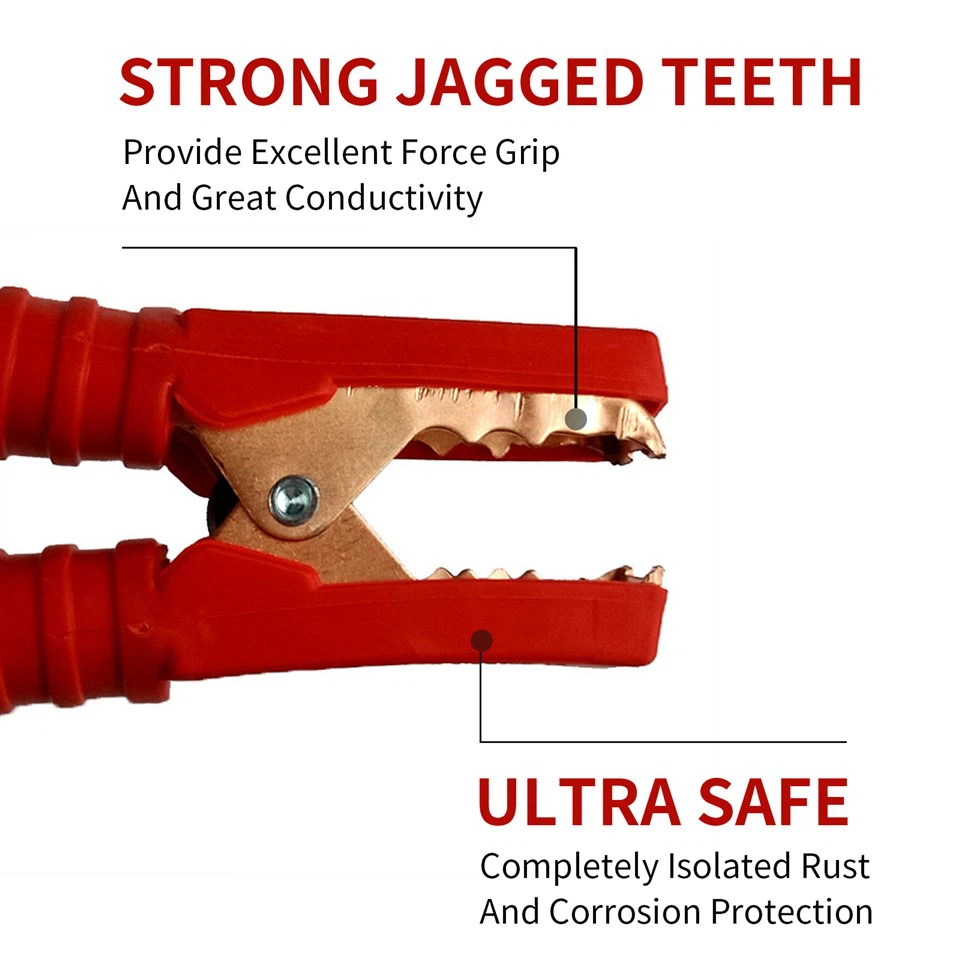
- Terminal Damage: The terminals of the jumper cable, which are the clamps that connect to the battery, can get damaged. They may become loose, corroded, or bent out of shape. Loose terminals can cause poor electrical connection, while corroded terminals can increase resistance and reduce the cable's ability to transfer power effectively.
Tools and Materials Needed
Before you start the repair process, gather the following tools and materials:
- Wire Cutters: To cut the damaged parts of the cable.
- Wire Strippers: To remove the insulation from the conductive wires.
- Soldering Iron and Solder: For joining the wires together and ensuring a good electrical connection.
- Heat - Shrink Tubing: To provide insulation and protection for the repaired area.
- Terminal Crimper: If you need to replace the terminals.
- New Terminals (if necessary): You can find suitable terminals at an auto parts store or purchase them from Best Portable Jumper Cables.
- Sandpaper or Wire Brush: To clean corroded terminals.
- Electrical Tape: As a temporary measure for insulation.
Repairing Insulation Damage
If the damage is limited to the insulation, the repair process is relatively straightforward:
- Cut Out the Damaged Section: Use wire cutters to remove the damaged part of the insulation. Make sure to cut a few inches beyond the damaged area to ensure that all the compromised insulation is removed.
- Prepare the Heat - Shrink Tubing: Select a heat - shrink tubing that is slightly larger in diameter than the cable. Cut a piece of tubing that is long enough to cover the exposed wires and extend a bit beyond on both sides.
- Slide the Tubing Over the Cable: Slip the heat - shrink tubing onto the cable so that it covers the exposed area.
- Apply Heat: Use a heat gun or a lighter (with caution) to apply heat to the heat - shrink tubing. As the tubing heats up, it will shrink and conform tightly to the cable, providing a new layer of insulation.
Repairing Conductor Damage
When the conductive wires are damaged, the repair is a bit more involved:
- Cut Out the Damaged Wires: Use wire cutters to remove the broken or corroded parts of the wires. Make clean cuts to ensure a good connection.
- Strip the Wires: Use wire strippers to remove about half an inch of insulation from the ends of the remaining wires.
- Twist the Wires Together: If the wires are of the same gauge, twist the exposed ends together tightly. This will provide a mechanical connection between the wires.
- Solder the Joint: Heat the soldering iron and apply solder to the twisted wires. The solder should flow evenly around the wires, creating a strong electrical connection. Make sure to avoid creating solder bridges or leaving any loose strands.
- Insulate the Joint: After the solder has cooled, slide a piece of heat - shrink tubing over the joint and apply heat to shrink it. This will insulate the joint and protect it from moisture and further damage.
Repairing Terminal Damage
Terminal damage can significantly affect the performance of the jumper cable. Here's how to repair it:
- Clean the Terminals: If the terminals are corroded, use sandpaper or a wire brush to remove the corrosion. Make sure to clean both the inside and outside of the terminals.
- Straighten Bent Terminals: If the terminals are bent, use pliers to carefully straighten them back into shape.
- Check the Terminal Connection: If the terminal is loose on the cable, you may need to re - crimp it. First, strip the end of the cable to expose a short length of wire. Then, place the wire into the terminal and use a terminal crimper to secure it tightly.
- Replace the Terminals (if necessary): If the terminals are severely damaged, it may be best to replace them. You can find a variety of high - quality terminals at Heavy Duty Car Battery Jumper. Simply cut off the old terminals, strip the cable, and crimp on the new ones.
Testing the Repaired Cable
After completing the repair, it's crucial to test the cable to ensure it is working properly:
- Visual Inspection: Check the repaired areas to make sure there are no loose connections, exposed wires, or signs of damage.
- Electrical Testing: Use a multimeter to test the continuity of the cable. Set the multimeter to the resistance (ohms) setting and touch the probes to the ends of the cable. A low resistance reading indicates a good electrical connection.
- Function Test: If possible, test the cable by using it to jump - start a vehicle. Make sure to follow all safety procedures when performing a jump - start.
Preventive Maintenance
To avoid future damage to your automotive battery jumper cables, consider the following preventive maintenance tips:
- Proper Storage: Store the cables in a dry, cool place. Avoid leaving them in direct sunlight or in areas where they can be damaged by sharp objects.
- Regular Inspection: Periodically inspect the cables for signs of wear, damage, or corrosion. Catching problems early can prevent more serious damage.
- Avoid Overloading: Do not use the cables for applications that exceed their rated capacity. Using cables with insufficient amperage can cause overheating and damage.
Conclusion
Repairing a damaged automotive battery jumper cable is a practical skill that can save you time and money. By following the steps outlined in this blog, you can effectively repair common cable issues and ensure the safety and reliability of your jumper cables. As a supplier of automotive battery jumper cables, I'm committed to providing high - quality products and valuable information to our customers. If you're interested in purchasing new jumper cables or have any questions about cable repair, feel free to explore our range of products and contact us for procurement and negotiation.
References
- "Automotive Electrical Systems Handbook"
- Various automotive repair manuals available at local libraries or auto parts stores.