

As a supplier of electrical power cords, I've encountered numerous customers who've faced the frustrating issue of power cords vibrating loose. This problem not only disrupts the operation of electrical devices but also poses potential safety hazards. In this blog, I'll share some effective strategies to prevent your electrical power cord from vibrating loose.
Understanding the Causes of Loose Power Cords
Before we delve into the solutions, it's crucial to understand why power cords vibrate loose in the first place. Several factors can contribute to this issue:
- Vibration from the Device: Many electrical appliances, such as washing machines, dryers, and power tools, generate significant vibrations during operation. These vibrations can gradually loosen the connection between the power cord and the outlet or the device itself.
- Poor Connection: A loose or faulty connection at the outlet or the device can also cause the power cord to vibrate loose. This could be due to a worn-out outlet, a damaged plug, or improper insertion of the plug into the outlet.
- Movement of the Cord: If the power cord is frequently moved or pulled, it can cause the connection to loosen over time. This is especially common in areas where the cord is exposed to foot traffic or other forms of physical movement.
Preventive Measures
Now that we understand the causes, let's explore some preventive measures to keep your power cord securely in place:
1. Use Cord Clamps or Cable Ties
Cord clamps and cable ties are simple yet effective tools for securing power cords. They can be used to attach the cord to a stable surface, such as a wall, desk, or appliance, preventing it from moving around and vibrating loose.
- Wall-Mounted Cord Clamps: These clamps are designed to be mounted on the wall near the outlet. They have a slot or groove where the power cord can be inserted and held in place. Wall-mounted cord clamps are ideal for cords that are used in a fixed location.
- Cable Ties: Cable ties are flexible straps that can be used to bundle and secure multiple cords together. They can also be used to attach a single cord to a nearby object, such as a table leg or a chair. Cable ties are available in various sizes and strengths, so choose the ones that are appropriate for your cord.
2. Check and Maintain Your Outlets
Regularly inspecting and maintaining your electrical outlets is essential for preventing loose power cords. Here are some tips to keep your outlets in good condition:
- Inspect for Damage: Look for signs of damage, such as cracks, burns, or loose connections, on your outlets. If you notice any damage, replace the outlet immediately to avoid electrical hazards.
- Clean the Outlets: Over time, dust and debris can accumulate in the outlets, causing poor connections. Use a dry cloth or a can of compressed air to clean the outlets regularly.
- Tighten Loose Screws: Check the screws on the outlets to ensure they are tight. Loose screws can cause the outlet to move, which can lead to loose power cord connections.
3. Choose the Right Power Cord
Selecting the appropriate power cord for your device is crucial for ensuring a secure connection. Here are some factors to consider when choosing a power cord:
- Gauge and Length: The gauge of the power cord refers to its thickness, which determines its ability to carry electrical current. Choose a cord with the appropriate gauge for your device to avoid overheating and other electrical problems. Additionally, make sure the cord is long enough to reach the outlet without being stretched or pulled.
- Quality and Durability: Invest in high-quality power cords that are made from durable materials. Look for cords that are UL-listed, which means they have been tested and approved for safety. Avoid using cheap or damaged cords, as they are more likely to vibrate loose and pose a safety risk.
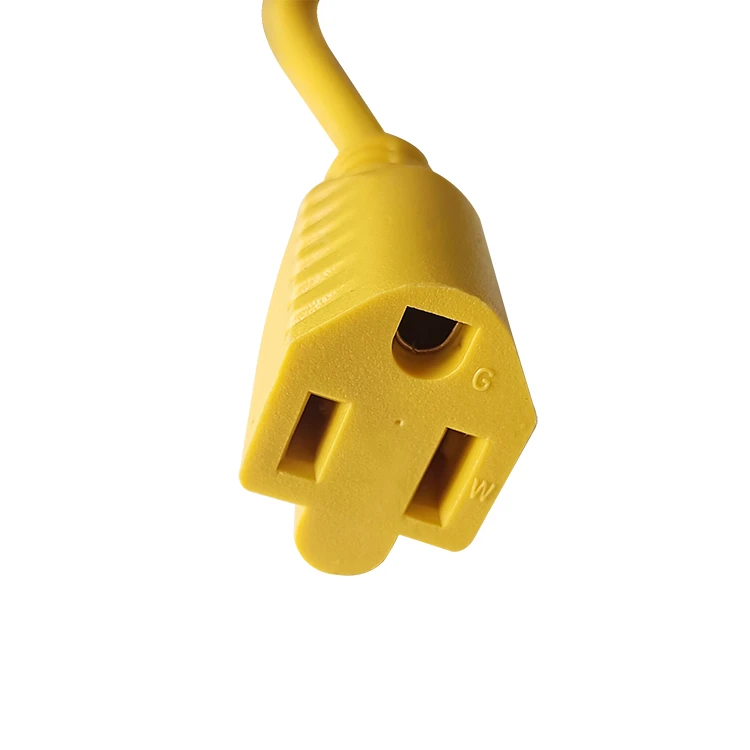
We offer a wide range of high-quality power cords, including the Best Power Extension Cord and the 12 Gauge Appliance Extension Cord. Our cords are designed to provide a secure and reliable connection, ensuring that your devices operate safely and efficiently.
4. Secure the Cord at the Device End
In addition to securing the cord at the outlet end, it's also important to secure it at the device end. This can help prevent the cord from vibrating loose due to the movement of the device.
- Use Cord Straps or Velcro Wraps: Cord straps and Velcro wraps can be used to secure the cord to the device. They are easy to install and can be adjusted to fit the size of the cord.
- Check the Device's Cord Management System: Some devices have built-in cord management systems, such as clips or hooks, that can be used to secure the power cord. Make sure to use these features if they are available.
5. Avoid Overloading the Circuit
Overloading the electrical circuit can cause the outlets to overheat, which can lead to loose power cord connections. To avoid overloading the circuit, follow these guidelines:
- Check the Circuit Capacity: Determine the maximum capacity of the electrical circuit you are using. This information can usually be found on the circuit breaker panel. Make sure that the total wattage of all the devices connected to the circuit does not exceed the circuit's capacity.
- Use Multiple Outlets: If you need to use multiple devices, consider using multiple outlets or a power strip with surge protection. This can help distribute the electrical load evenly and prevent overloading.
Additional Tips
Here are some additional tips to help you prevent your power cord from vibrating loose:
- Keep the Cord Away from Heat Sources: Excessive heat can damage the power cord and cause it to become brittle, making it more likely to vibrate loose. Keep the cord away from heat sources, such as heaters, stoves, and direct sunlight.
- Avoid Bending the Cord at Sharp Angles: Bending the power cord at sharp angles can damage the internal wires, leading to poor connections and potential electrical hazards. Make sure to route the cord in a way that avoids sharp bends.
- Regularly Inspect the Cord: Periodically inspect the power cord for signs of damage, such as fraying, cracking, or exposed wires. If you notice any damage, replace the cord immediately.
Conclusion
Preventing your electrical power cord from vibrating loose is essential for ensuring the safe and reliable operation of your electrical devices. By following the preventive measures outlined in this blog, you can minimize the risk of loose connections and potential electrical hazards.
At [Supplier], we are committed to providing high-quality power cords and excellent customer service. We offer a wide range of All Kinds Of Electrical Power Cord to meet your specific needs. If you have any questions or need assistance in choosing the right power cord, please don't hesitate to contact us. We look forward to working with you and helping you find the perfect solution for your electrical needs.

References
- Electrical Safety Foundation International. (n.d.). Electrical Safety Tips. Retrieved from [Website URL]
- Consumer Product Safety Commission. (n.d.). Electrical Cords and Power Strips. Retrieved from [Website URL]