

When it comes to outdoor activities, having a reliable power source is crucial. Whether you're powering up tools for a DIY project in the garden, setting up outdoor lighting for a party, or running electrical appliances during a camping trip, choosing the right outdoor power cord is essential. As an outdoor power cord supplier, I understand the importance of making an informed decision. In this blog post, I'll share some key factors to consider when selecting the perfect outdoor power cord for your needs.
Understanding the Basics of Outdoor Power Cords
Outdoor power cords are designed to withstand the rigors of outdoor use. They are typically more durable and weather-resistant than indoor cords. Most outdoor power cords are made with a heavy-duty jacket that protects the internal wires from moisture, sunlight, and physical damage. The jacket is often made of materials like PVC (polyvinyl chloride) or rubber, which provide excellent insulation and protection.

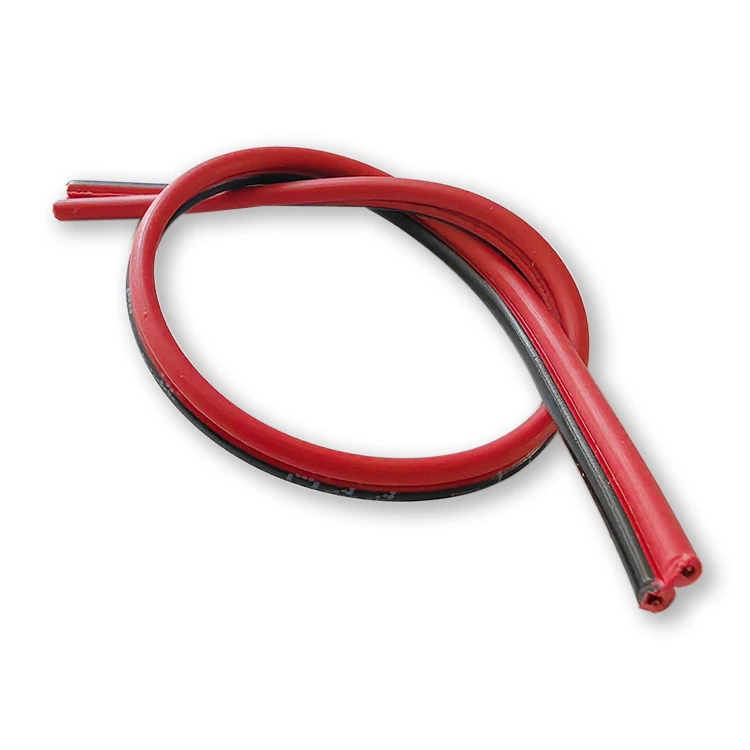
When shopping for an outdoor power cord, you'll notice that they come in different gauges. The gauge of a cord refers to the thickness of the wire inside. The lower the gauge number, the thicker the wire. Thicker wires can carry more electrical current without overheating, which is important for high-power devices. For example, a 12-gauge cord can handle more amperage than a 16-gauge cord.
Consider the Amperage and Wattage Requirements
Before you choose an outdoor power cord, you need to know the amperage and wattage requirements of the devices you'll be using. Amperage measures the amount of electrical current flowing through a circuit, while wattage measures the power consumed by a device. You can usually find this information on the device's label or in the user manual.
To determine the appropriate cord gauge, you'll need to match the cord's amperage rating to the device's requirements. As a general rule, a 16-gauge cord is suitable for light-duty devices like small fans or string lights, which typically draw less than 10 amps. A 14-gauge cord can handle medium-duty devices like power drills or lawn mowers, which draw between 10 and 15 amps. For high-power devices like air compressors or electric heaters, which draw more than 15 amps, a 12-gauge cord is recommended.
You can also calculate the wattage of a device by multiplying the amperage by the voltage. In most households, the voltage is 120 volts. For example, if a device draws 5 amps, its wattage would be 5 amps x 120 volts = 600 watts. Make sure the cord you choose can handle the total wattage of all the devices you'll be using simultaneously.
Evaluate the Length of the Cord
The length of the outdoor power cord is another important factor to consider. Longer cords have more resistance, which can cause a drop in voltage and reduce the efficiency of your devices. This is especially true for high-power devices. To minimize voltage drop, it's best to choose the shortest cord that will reach your power source and device.
If you need a longer cord, you may need to increase the cord gauge to compensate for the additional resistance. For example, if you're using a 100-foot cord to power a high-power device, you might need to use a 10-gauge cord instead of a 12-gauge cord. Keep in mind that longer cords are also heavier and more difficult to manage, so make sure you can handle the weight and length.
Check the Weather Resistance
Since outdoor power cords are exposed to the elements, they need to be weather-resistant. Look for cords that are rated for outdoor use and have a UL (Underwriters Laboratories) listing. UL-listed cords have been tested and approved to meet safety standards for outdoor applications.
The cord's jacket should be made of a material that can withstand moisture, sunlight, and extreme temperatures. PVC jackets are common and offer good protection against water and UV rays. Rubber jackets are more flexible and can withstand colder temperatures, making them a good choice for winter use.
Some cords also have additional features like water-resistant plugs and connectors, which can provide extra protection against moisture. If you'll be using the cord in wet conditions, such as near a pool or in the rain, make sure it has a high level of water resistance.
Look for Safety Features
Safety should always be a top priority when choosing an outdoor power cord. In addition to weather resistance, look for cords with other safety features. For example, some cords have a built-in ground fault circuit interrupter (GFCI), which can automatically shut off the power if it detects a ground fault. This can help prevent electrical shocks and fires.
The cord's plugs and connectors should also be in good condition and fit securely. Loose connections can cause arcing and overheating, which can be dangerous. Make sure the plugs are designed to prevent accidental disconnection and have a locking mechanism if possible.
Consider the Application
The specific application for which you'll be using the outdoor power cord can also influence your choice. For example, if you're using the cord for a camping trip, you might want a lightweight and portable cord that's easy to pack and transport. On the other hand, if you're using the cord for a permanent outdoor installation, such as powering a shed or outdoor kitchen, you might want a more heavy-duty and durable cord.
If you're using the cord to power a specific device, such as a Power Cord for Nest Outdoor Camera, make sure the cord is compatible with the device's requirements. Some devices may require a specific type of cord or connector.
Our Product Recommendations
As an outdoor power cord supplier, we offer a wide range of high-quality outdoor power cords to meet your needs. Here are some of our popular products:
- Heavy Duty Outdoor Extension Lead: This heavy-duty cord is designed for high-power outdoor applications. It has a thick PVC jacket that provides excellent protection against moisture, sunlight, and physical damage. The cord is available in different lengths and gauges to suit your needs.
- 15 Outdoor Extension Cord: This 15-amp cord is suitable for medium-duty outdoor devices. It has a durable rubber jacket that is flexible and can withstand cold temperatures. The cord comes with a GFCI plug for added safety.
Conclusion
Choosing the right outdoor power cord is essential for ensuring the safety and efficiency of your outdoor electrical devices. By considering factors like amperage, wattage, length, weather resistance, safety features, and application, you can make an informed decision. As an outdoor power cord supplier, we're here to help you find the perfect cord for your needs. If you have any questions or need further assistance, please don't hesitate to contact us for a procurement discussion. We look forward to working with you to meet your outdoor power cord requirements.
References
- Electrical Safety Foundation International. (n.d.). Outdoor Electrical Safety. Retrieved from [https://www.electrical-safety.org/consumer-safety/outdoor-electrical-safety/](not including links as per instruction)
- Underwriters Laboratories. (n.d.). Understanding UL Listings. Retrieved from [https://www.ul.com/](not including links as per instruction)