

Outdoor power cords are essential for a variety of activities, from powering outdoor appliances to setting up temporary lighting during events. However, one question that often arises is whether these cords work well in windy conditions. As an outdoor power cord supplier, I've had the opportunity to see firsthand how these cords perform in different environments, and I'm here to share my insights.
The Impact of Wind on Outdoor Power Cords
Wind can pose several challenges to outdoor power cords. First and foremost, strong winds can cause the cords to move around, potentially leading to tangling. This not only makes the cords difficult to manage but can also increase the risk of damage. If the cords are constantly rubbing against each other or other objects, the outer insulation may wear down, exposing the inner conductors. This can lead to electrical shorts, which are not only dangerous but can also render the cord useless.
In addition to tangling, wind can also put stress on the cord's connections. When a cord is whipped around by the wind, the plugs and sockets can be jostled, causing loose connections. Loose connections can result in intermittent power supply, overheating, and even electrical fires. It's important to ensure that all connections are secure and that the cords are properly supported to minimize the impact of wind on these critical components.
Another concern in windy conditions is the potential for the cord to be blown into hazardous areas. For example, if a cord is blown onto a hot surface or into water, it can pose a serious safety risk. It's crucial to place outdoor power cords in safe locations and to take precautions to prevent them from being moved by the wind.
Factors Affecting Cord Performance in Wind
Not all outdoor power cords are created equal when it comes to performance in windy conditions. Several factors can influence how well a cord withstands the forces of wind:

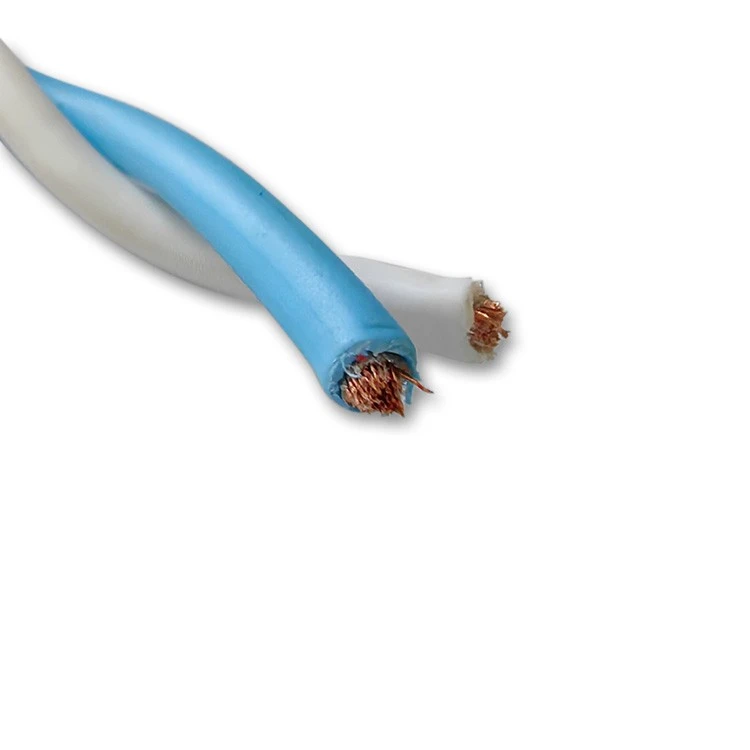
- Cord Thickness and Durability: Thicker cords are generally more resistant to wind-induced damage. They are less likely to tangle and are better able to withstand the stress of being moved around. High-quality cords with durable outer insulation are also less likely to wear down over time, even in harsh weather conditions.
- Cord Length: Longer cords are more susceptible to wind damage. They have more surface area exposed to the wind, which can increase the likelihood of tangling and stress on the connections. If possible, use shorter cords in windy conditions to minimize these risks.
- Cord Weight: Heavier cords are less likely to be blown around by the wind. They provide more stability and are better able to stay in place. Some outdoor power cords are designed with weighted ends or built-in anchors to help keep them secure.
- Cord Design: Certain cord designs are better suited for windy conditions. For example, cords with a low profile are less likely to catch the wind and are more stable on the ground. Low Profile Outdoor Extension Cord is a great option for windy environments as it lies flat and is less likely to be affected by gusts.
Choosing the Right Outdoor Power Cord for Windy Conditions
When selecting an outdoor power cord for use in windy conditions, it's important to consider the factors mentioned above. Look for cords that are thick, durable, and have a low profile. Here are some of our top recommendations:
- Low Profile Outdoor Extension Cord: This cord is designed to lie flat on the ground, reducing the risk of it being caught by the wind. It's ideal for use in areas where wind is a concern, such as patios, decks, and outdoor events.
- Power Cord for Nest Outdoor Camera: If you need to power an outdoor camera in windy conditions, this cord is a great choice. It's weather-resistant and has a durable design that can withstand the elements.
- Heavy Duty Outdoor Extension Lead: This heavy-duty cord is designed for use in demanding outdoor applications. It's thick, durable, and can handle high amperage loads. It's a reliable option for powering large appliances and equipment in windy conditions.
Tips for Using Outdoor Power Cords in Windy Conditions
In addition to choosing the right cord, there are several steps you can take to ensure safe and effective use of outdoor power cords in windy conditions:
- Secure the Cord: Use stakes, weights, or cable ties to secure the cord to the ground or other stable objects. This will help prevent it from being blown around by the wind.
- Inspect the Cord Regularly: Check the cord for any signs of damage, such as fraying, cuts, or loose connections. If you notice any issues, replace the cord immediately to avoid safety hazards.
- Keep the Cord Away from Hazards: Make sure the cord is not placed near hot surfaces, water, or other hazardous areas. This will help prevent electrical accidents and damage to the cord.
- Use Cord Protectors: Consider using cord protectors to cover the cord and protect it from the elements. Cord protectors can also help reduce the risk of tangling and damage.
- Avoid Overloading the Cord: Make sure the cord is rated for the amperage of the appliances or equipment you are using. Overloading the cord can cause it to overheat and increase the risk of electrical fires.
Conclusion
In conclusion, outdoor power cords can work well in windy conditions if you choose the right cord and take the necessary precautions. By considering factors such as cord thickness, length, weight, and design, you can select a cord that is durable and resistant to wind damage. Additionally, following safety tips such as securing the cord, inspecting it regularly, and keeping it away from hazards will help ensure safe and reliable operation.
If you're in the market for high-quality outdoor power cords that are designed to perform well in windy conditions, we'd love to hear from you. As a leading outdoor power cord supplier, we offer a wide range of products to meet your needs. Whether you're looking for a low profile extension cord, a power cord for your outdoor camera, or a heavy-duty extension lead, we have the solution for you. Contact us today to discuss your requirements and to learn more about our products. We look forward to working with you to provide the best outdoor power cord solutions for your projects.
References
- National Fire Protection Association. (2023). Electrical Safety in the Home.
- Underwriters Laboratories. (2023). Standards for Safety for Flexible Cords and Cables.
- Occupational Safety and Health Administration. (2023). Electrical Safety Standards.