

Hey there! As a supplier of mechanical power cords, I often get asked, "Do mechanical power cords come with different plug types?" The answer is a resounding yes! In this blog, I'll dive into the world of mechanical power cords and explore the various plug types you might encounter.
First off, let's understand why there are different plug types in the first place. It all boils down to safety, compatibility, and regional standards. Different countries and regions have their own electrical codes and requirements, which means that the plugs used to connect electrical devices to power sources can vary widely. For example, in the United States, the most common plug type is the NEMA (National Electrical Manufacturers Association) plug, which comes in several different configurations depending on the voltage and amperage requirements of the device.
One of the most popular NEMA plugs is the 14 - 50r plug. This plug is commonly used for high - power applications, such as electric vehicle chargers and large generators. If you're in the market for a 14 50r Generator Cord, you can check out our product here: 14 50r Generator Cord. It's designed to handle high currents safely and efficiently, making it a great choice for your power - hungry equipment.
In Europe, the situation is quite different. The most common plug type in Europe is the Type C plug, which has two round pins. This plug is used in many European countries and is also widely used in other parts of the world. However, some countries in Europe also use other plug types, such as the Type F plug, which has two round pins and two grounding clips. These differences can make it a bit tricky when traveling with electrical devices, but that's where universal adapters come in handy.
Now, let's talk about custom power cords. Sometimes, off - the - shelf power cords just won't cut it. Maybe you have a unique piece of machinery that requires a specific plug type or a power cord with special features. That's where we come in. We offer Custom Best Power Cord for Machine, which can be tailored to your exact specifications. Whether you need a different plug type, a specific length, or a cord with enhanced durability, we can make it happen. Check out our custom power cord options here: Custom Best Power Cord for Machine.
Another important aspect of mechanical power cords is the extension cord. Extension cords are a convenient way to extend the reach of your electrical devices, but they come in different shapes and sizes too. One type of extension cord that's becoming increasingly popular is the Extension Cord with Multiple Spaced Outlets. This type of cord allows you to plug in multiple devices at once, making it ideal for use in workshops, offices, or home entertainment setups. You can find our selection of these extension cords here: Extension Cord with Multiple Spaced Outlets.
When choosing a power cord, it's not just about the plug type. You also need to consider the gauge of the wire. The gauge of a wire refers to its thickness, and it's an important factor in determining the amount of current the cord can safely carry. A thicker wire (lower gauge number) can carry more current than a thinner wire (higher gauge number). So, if you're using a high - power device, you'll need a power cord with a lower gauge wire to ensure safe operation.
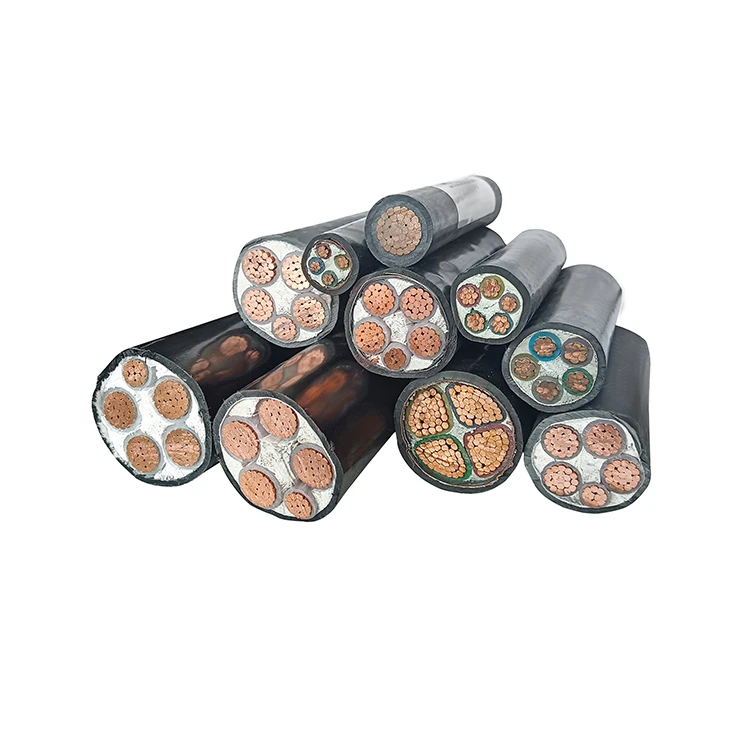

In addition to the plug type and wire gauge, you also need to pay attention to the insulation of the power cord. The insulation protects the wire from damage and prevents electrical shocks. High - quality insulation is especially important in environments where the power cord might be exposed to moisture, heat, or chemicals.
As a mechanical power cord supplier, we take quality very seriously. All of our power cords are tested to meet or exceed industry standards to ensure that they're safe and reliable. We source the best materials and use the latest manufacturing techniques to produce power cords that will last.
If you're in the market for mechanical power cords, whether it's a standard cord, a custom - made one, or an extension cord, we've got you covered. We have a wide range of products to choose from, and our team of experts is always ready to help you find the right power cord for your needs.
So, if you have any questions or if you're interested in purchasing our mechanical power cords, don't hesitate to reach out. We're here to make the process as easy and hassle - free as possible. Whether you're a small business owner looking for power cords for your equipment or a homeowner in need of an extension cord for your garden tools, we can provide the solutions you need.
In conclusion, mechanical power cords do come with different plug types, and understanding these differences is crucial for ensuring the safe and efficient operation of your electrical devices. Whether you're dealing with regional variations or specific equipment requirements, there's a power cord out there that's right for you. And if you can't find what you're looking for, we can create it for you.
If you want to learn more about power cords and electrical safety, there are plenty of great resources available. Some good references to check out include the National Electrical Code (NEC), which provides guidelines for electrical installations in the United States, and the International Electrotechnical Commission (IEC) standards, which are widely used around the world.
References:
- National Electrical Code (NEC)
- International Electrotechnical Commission (IEC) standards