

Do electrical power cords affect the performance of a device? This is a question that often arises among consumers and professionals alike. As an electrical power cord supplier, I've had the opportunity to delve deep into this topic, and I'm excited to share my insights with you.
The Basics of Electrical Power Cords
Before we explore whether power cords can impact device performance, let's first understand what electrical power cords are and how they work. Electrical power cords are essential components that transmit electrical energy from a power source, such as a wall outlet, to an electrical device. They consist of conductors, which are usually made of copper or aluminum, and insulation materials that protect the conductors and prevent electrical shocks.
The quality of a power cord can vary significantly depending on several factors, including the gauge of the conductors, the type of insulation, and the overall construction. A higher - gauge power cord typically has thinner conductors, which can result in higher resistance. On the other hand, a lower - gauge power cord has thicker conductors, which offer lower resistance and can carry more current.
Impact on Device Performance
Now, let's address the main question: Do electrical power cords affect the performance of a device? The answer is yes, they can, and here's how.
Voltage Drop
One of the most significant ways a power cord can affect device performance is through voltage drop. Voltage drop occurs when the electrical resistance of the power cord causes a decrease in voltage between the power source and the device. This is especially true when using long power cords or cords with a high gauge (thin conductors).
For example, if you're using a high - power device like a refrigerator or a power tool, a significant voltage drop can cause the device to operate at a lower voltage than it's designed for. This can lead to reduced performance, such as slower motor speeds in a power tool or inefficient cooling in a refrigerator. Over time, operating a device at a lower voltage can also cause damage to the device's components, reducing its lifespan.
Power Loss
In addition to voltage drop, power cords can also cause power loss. Power loss is the energy that is dissipated as heat due to the resistance of the power cord. When a power cord has high resistance, more power is lost as heat, which means less power is available to the device.
This power loss not only affects the device's performance but also increases energy consumption. For instance, if you're using a power - hungry device like a computer server, a power cord with high resistance can result in increased electricity bills and reduced server efficiency.
Signal Interference
Some devices, such as audio and video equipment, are sensitive to electrical interference. A poor - quality power cord can act as an antenna, picking up electromagnetic interference (EMI) and radio - frequency interference (RFI) from the surrounding environment. This interference can then be transmitted to the device, causing audio distortion, video noise, or other performance issues.
Choosing the Right Power Cord
Given the potential impact of power cords on device performance, it's crucial to choose the right power cord for your device. Here are some factors to consider:
Gauge
As mentioned earlier, the gauge of the power cord is an important factor. For high - power devices, it's recommended to use a lower - gauge (thicker) power cord to minimize voltage drop and power loss. You can refer to the device's user manual or consult an electrician to determine the appropriate gauge for your device.
Length
The length of the power cord also matters. Longer power cords have higher resistance, which can lead to more significant voltage drop and power loss. Therefore, it's best to use the shortest power cord possible while still allowing for convenient device placement.
Quality
Investing in a high - quality power cord is essential. Look for power cords that are made from high - quality conductors and insulation materials. A good power cord should also be UL - listed, which means it has been tested and meets safety standards.
Our Product Offerings
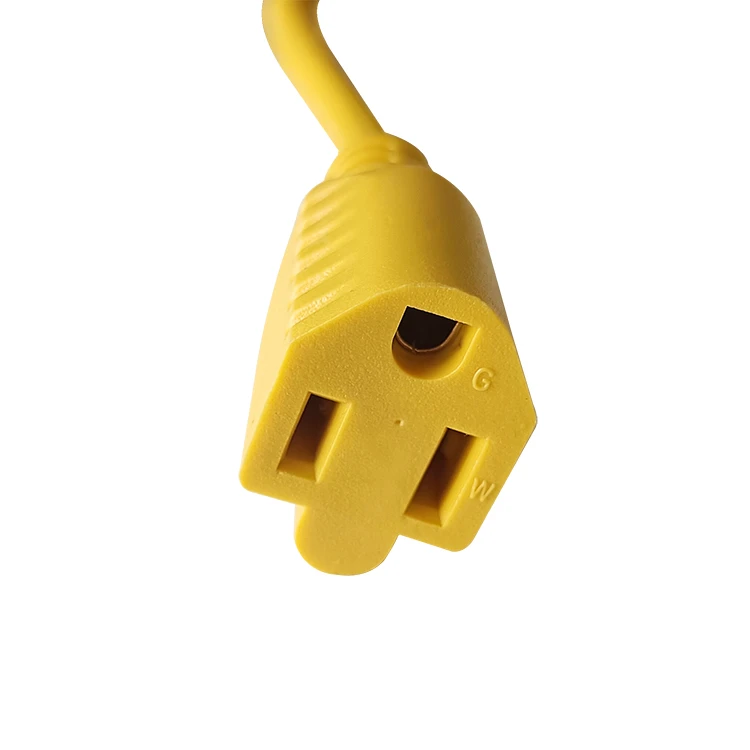
As an electrical power cord supplier, we offer a wide range of high - quality power cords to meet your needs. Whether you're looking for a All Kinds Of Electrical Power Cord, a Best Power Extension Cord, or a Portable Generator Extension Cords, we've got you covered.
Our power cords are made from high - quality copper conductors and have excellent insulation properties, which minimize voltage drop, power loss, and signal interference. We also offer a variety of lengths and gauges to ensure you can find the perfect power cord for your device.
Conclusion
In conclusion, electrical power cords can indeed affect the performance of a device. Voltage drop, power loss, and signal interference are all potential issues that can arise from using a poor - quality or inappropriate power cord. By understanding these factors and choosing the right power cord, you can ensure optimal device performance, energy efficiency, and longevity.

If you're interested in learning more about our electrical power cords or would like to discuss your specific needs, we'd love to hear from you. Contact us to start a conversation about your power cord requirements and how we can provide the best solutions for you.
References
- Grob, Bernard. "Basic Electronics." McGraw - Hill Education, 2007.
- Horowitz, Paul, and Winfield Hill. "The Art of Electronics." Cambridge University Press, 2015.