

Can low - voltage power cables be used in high - humidity environments?
As a supplier of low - voltage power cables, I often encounter inquiries from customers about the suitability of our products in various environments, especially high - humidity conditions. This blog aims to delve into the question of whether low - voltage power cables can be used in high - humidity environments, providing a comprehensive analysis based on scientific knowledge and practical experience.
Understanding Low - Voltage Power Cables
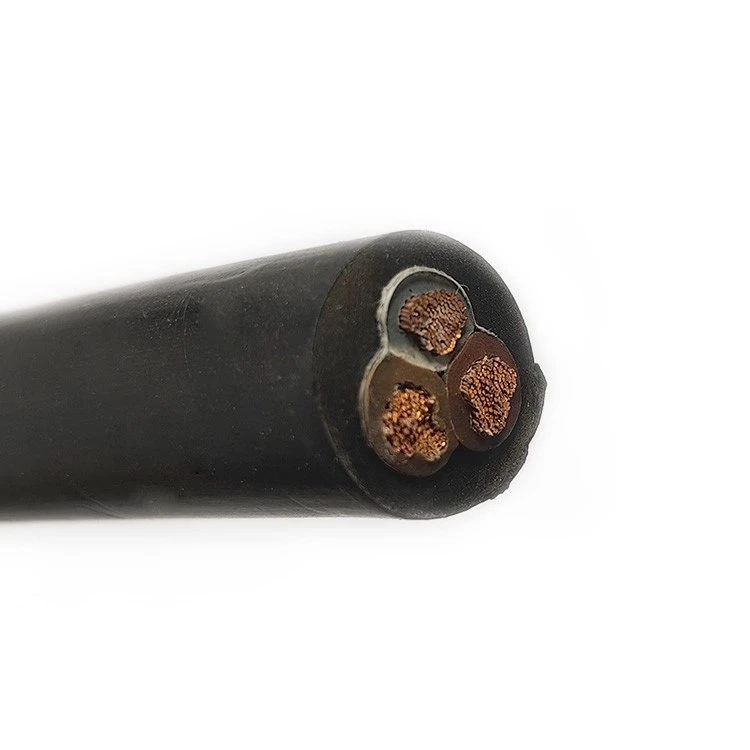
Low - voltage power cables are designed to transmit electrical power at relatively low voltages, typically below 1000 volts. They are widely used in a variety of applications, including residential, commercial, and industrial settings. These cables come in different configurations, such as 12v 4 Core Low Voltage Cable Suppliers, Red and Black Low Voltage Wire, and 3 Core Low Voltage Cable, each tailored to specific requirements.
The construction of low - voltage power cables usually consists of conductors, insulation, and a protective sheath. The conductors are responsible for carrying the electrical current, while the insulation prevents the current from leaking and provides electrical isolation. The protective sheath shields the cable from mechanical damage, environmental factors, and chemical substances.
Challenges in High - Humidity Environments
High - humidity environments pose several challenges to the performance and longevity of low - voltage power cables. One of the primary concerns is the ingress of moisture into the cable. Moisture can penetrate the cable through small cracks, gaps in the insulation, or porous materials. Once inside, it can cause a variety of problems.
Firstly, moisture can degrade the insulation material. Most insulation materials used in low - voltage power cables are polymers, such as polyethylene or polyvinyl chloride. These materials can absorb moisture over time, which reduces their dielectric strength. As a result, the insulation becomes less effective at preventing electrical leakage, increasing the risk of short circuits and electrical failures.
Secondly, moisture can lead to corrosion of the conductors. When water comes into contact with metal conductors, it can initiate a chemical reaction that causes rust and oxidation. Corroded conductors have higher resistance, which leads to increased power losses and reduced efficiency. In severe cases, corrosion can weaken the conductors to the point where they break, resulting in a complete loss of power.
In addition, high humidity can promote the growth of mold and fungi on the cable surface. These organisms can damage the protective sheath and insulation, further compromising the cable's integrity.
Factors Affecting Cable Performance in High - Humidity Environments
Despite the challenges, the ability of low - voltage power cables to perform in high - humidity environments depends on several factors.
Cable Design and Construction: Cables with better insulation and sealing are more resistant to moisture ingress. For example, cables with a tight - fitting outer sheath and a water - blocking layer can prevent water from reaching the conductors and insulation. Some cables are also designed with special additives in the insulation material to enhance its moisture resistance.
Insulation Material: The choice of insulation material plays a crucial role in determining the cable's performance in high - humidity conditions. Some materials, such as cross - linked polyethylene (XLPE), have better moisture resistance than others. XLPE has a dense molecular structure that makes it less susceptible to water absorption and degradation.
Installation and Maintenance: Proper installation and regular maintenance are essential for ensuring the long - term performance of cables in high - humidity environments. During installation, cables should be routed away from sources of water and properly sealed at joints and terminations. Regular inspections can help detect early signs of moisture ingress, corrosion, or other damage, allowing for timely repairs or replacements.
Solutions for Using Low - Voltage Power Cables in High - Humidity Environments
To use low - voltage power cables effectively in high - humidity environments, several solutions can be implemented.
Selecting the Right Cable: Choose cables that are specifically designed for high - humidity applications. Look for cables with a high - quality insulation material, a water - blocking layer, and a durable outer sheath. Our company offers a range of low - voltage power cables that are suitable for such environments, providing reliable performance and long - term durability.
Proper Installation: Ensure that cables are installed correctly, following the manufacturer's guidelines. Use proper sealing techniques at joints and terminations to prevent water from entering the cable. Consider using cable trays or conduits to protect the cables from direct exposure to moisture.

Regular Maintenance: Establish a regular maintenance schedule to inspect the cables for signs of damage or degradation. Check for moisture ingress, corrosion, and insulation breakdown. Replace any damaged cables or components promptly to prevent further problems.
Case Studies
Let's look at some real - world examples of using low - voltage power cables in high - humidity environments.
In a coastal industrial plant, where the humidity levels are consistently high, the plant managers initially used standard low - voltage power cables. However, they experienced frequent cable failures due to moisture ingress and corrosion. After consulting with our team, they switched to our high - performance low - voltage cables with a water - blocking layer and XLPE insulation. Since then, the number of cable failures has significantly decreased, resulting in reduced downtime and maintenance costs.
In a residential building located in a tropical region, the homeowners noticed that the electrical system was experiencing intermittent problems. An inspection revealed that the low - voltage power cables in the building were damaged by moisture and mold. We recommended replacing the old cables with our moisture - resistant cables and providing proper ventilation to reduce the humidity levels. After the installation, the electrical system has been operating smoothly.
Conclusion
In conclusion, while high - humidity environments present challenges to the use of low - voltage power cables, it is possible to use them effectively with the right cable selection, proper installation, and regular maintenance. As a low - voltage power cable supplier, we are committed to providing our customers with high - quality cables that can withstand the rigors of high - humidity conditions.
If you are considering using low - voltage power cables in a high - humidity environment, or if you have any questions about our products, please feel free to contact us for more information and to discuss your specific requirements. We are here to help you find the best cable solutions for your needs.
References
- "Electrical Power Cable Engineering" by John W. McDonald
- "Handbook of Electrical Installation Practice" by IEE Wiring Regulations