

Can I use an electrical power cord for a portable device?
As a supplier of electrical power cords, I often encounter this common question from customers. The answer is not a simple yes or no; it depends on several key factors. In this blog, I'll delve into the details to help you understand when and how you can safely use an electrical power cord for your portable devices.
Compatibility: The First Consideration
The most crucial aspect is the compatibility between the power cord and the portable device. Portable devices come in a wide range of power requirements, from low - power gadgets like Bluetooth speakers to high - power devices such as laptops and power tools.
Each device has a specific voltage and current rating. For example, a small portable fan might require only 5 volts and 1 amp, while a high - end gaming laptop could need 19 volts and 3 amps or more. It's essential to match these ratings with the power cord. Using a cord with an insufficient current - carrying capacity can lead to overheating, which is not only a risk to the device but also a potential fire hazard.
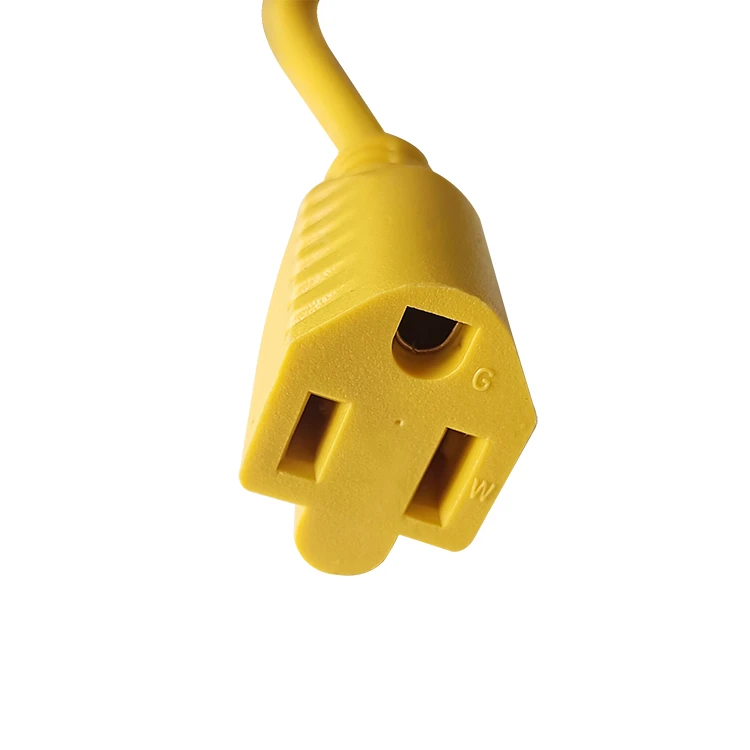
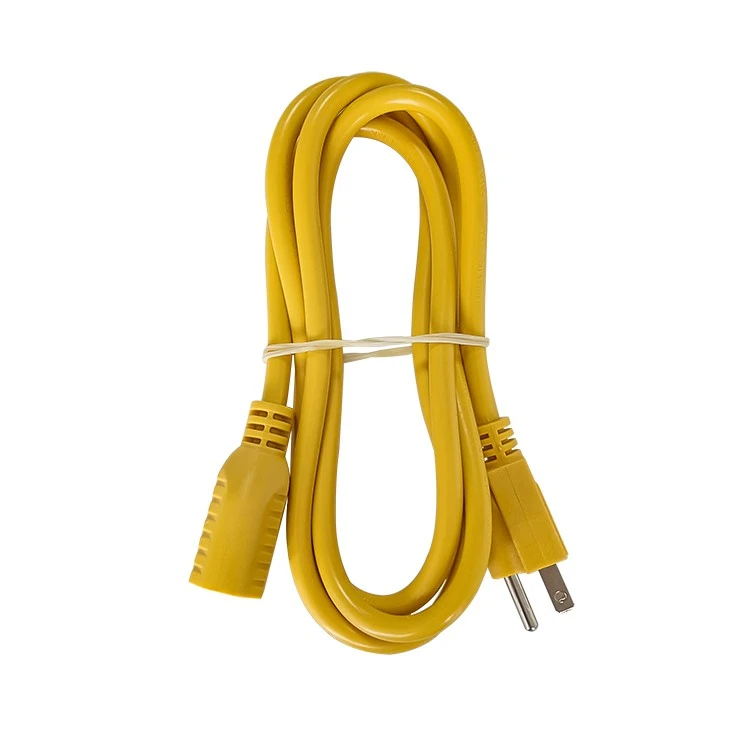
When choosing a power cord for your portable device, check the device's user manual or the label on the device itself. It will clearly state the required voltage and current. Our 12 Gauge Appliance Extension Cord is a great option for high - power portable devices. The 12 - gauge wire can handle relatively large amounts of current, making it suitable for devices like power tools and some large laptops.
Length and Resistance
The length of the power cord also plays a significant role. Longer cords have higher resistance, which means that more energy is lost as heat during the transmission of electricity. This can lead to a drop in voltage at the device end, especially for high - power devices.
For instance, if you use a very long and thin power cord to connect a high - power portable heater, the voltage reaching the heater might be lower than the required level. As a result, the heater may not operate at its full capacity, and the cord may overheat.
If you need to use a longer cord, it's advisable to choose a cord with a lower gauge number. Thicker wires have lower resistance. Our Best Power Extension Cord is designed to minimize resistance even for longer lengths, ensuring a stable power supply to your portable devices.
Safety Features
Safety should always be a top priority when using electrical power cords for portable devices. Look for cords with proper insulation and grounding. Insulation prevents electrical shocks, while grounding provides a safe path for excess electrical current in case of a short - circuit.
Many of our power cords are equipped with safety features such as over - current protection and surge protection. These features can safeguard your portable devices from damage caused by power surges or sudden spikes in current. For example, if there is a lightning strike nearby or a problem with the electrical grid, the surge protector in the power cord will divert the excess voltage away from your device.
Types of Portable Devices
Let's take a closer look at different types of portable devices and their power cord requirements:
Smartphones and Tablets
These devices typically have low - power requirements. They usually operate on 5 volts and can be charged using a USB power cord. Most smartphones and tablets come with their own charging cords, but in case you need a replacement or an extension, our Short Appliance Extension Cord can be a convenient choice. It's short, which reduces the risk of tangling and also minimizes energy loss.
Laptops
Laptops require a more specific power supply. They often have a unique connector and a specific voltage and current rating. When choosing a power cord for a laptop, make sure it has the correct connector and can provide the required power. Our selection of power cords includes options suitable for various laptop models, ensuring a reliable power source for your mobile computing needs.
Portable Power Tools
Power tools like drills, saws, and sanders demand a significant amount of power. They usually operate at higher voltages and currents. Using the wrong power cord can not only damage the tool but also pose a serious safety risk. Our heavy - duty power cords are designed to handle the high - power requirements of these tools, providing a stable and safe power supply.
Quality and Durability
The quality of the power cord is of utmost importance. A poorly made cord may have issues such as loose connections, frayed wires, or inadequate insulation. These problems can lead to electrical failures, short - circuits, and even fires.
When purchasing a power cord, look for cords that are made from high - quality materials. Our power cords are manufactured using premium - grade wires and insulation materials. They are also tested rigorously to ensure they meet international safety standards. This means you can trust our cords to provide a long - lasting and reliable power supply for your portable devices.
Conclusion
In conclusion, you can use an electrical power cord for a portable device, but you need to make sure it is compatible in terms of voltage, current, and connector type. Consider the length of the cord, the safety features, and the quality of the product.
If you're still unsure about which power cord is right for your portable device, our team of experts is here to help. We have a wide range of power cords suitable for various portable devices, from small gadgets to high - power tools. Whether you need a 12 Gauge Appliance Extension Cord, a Best Power Extension Cord, or a Short Appliance Extension Cord, we've got you covered.
If you're interested in purchasing our electrical power cords, we invite you to reach out to us for a procurement discussion. We can provide you with detailed product information, pricing, and delivery options. Our goal is to ensure that you get the best power cord solution for your portable devices.
References
- Electrical Safety Foundation International. (2023). Electrical Safety Tips for Portable Devices.
- National Fire Protection Association. (2022). Electrical Code Requirements for Power Cords.