

Can I use a rubber power cord for a solar panel system?
As a supplier of rubber power cords, I often receive inquiries from customers about the suitability of using rubber power cords in solar panel systems. This is a crucial question, as the right choice of power cord can significantly impact the efficiency, safety, and longevity of a solar panel setup. In this blog post, I'll delve into the technical aspects, advantages, and potential drawbacks of using rubber power cords in solar panel systems.
Technical Considerations
To understand whether a rubber power cord can be used for a solar panel system, we first need to look at the technical requirements of such a system. Solar panels generate direct current (DC) electricity, which needs to be transferred efficiently to an inverter or a battery storage unit. The power cord must be able to handle the specific voltage and current levels produced by the solar panels without excessive power loss or overheating.
Rubber power cords, like our YC Rubber Power Cord, are designed to offer flexibility and durability. They are typically made with high - quality rubber insulation that provides good electrical insulation properties. The conductivity of the copper or aluminum conductors inside the cord is also an important factor. For solar panel systems, a cord with low resistance is preferred to minimize power loss during the transmission of electricity.
The ampacity, or the maximum amount of current a cord can carry safely, is another critical consideration. Solar panel systems vary in their power output, and the power cord must be sized appropriately to handle the expected current. If the cord's ampacity is too low, it can overheat, which not only reduces the efficiency of the system but also poses a fire hazard.
Advantages of Using Rubber Power Cords
One of the primary advantages of rubber power cords in solar panel systems is their flexibility. Solar panel installations often require the power cords to be routed around various obstacles, such as rooftops, mounting structures, and other equipment. Rubber cords can be bent and maneuvered easily without damage to the insulation or conductors. This makes them ideal for complex installation scenarios where rigid cables would be difficult to work with.
Another benefit is their resistance to environmental factors. Solar panels are exposed to a wide range of weather conditions, including sunlight, rain, snow, and extreme temperatures. Rubber insulation is known for its excellent resistance to UV radiation, moisture, and temperature variations. Our China Factory YC Rubber Extension Lead is specifically designed to withstand harsh outdoor environments, ensuring long - term reliability in solar panel applications.
Rubber power cords also offer good mechanical protection. They are less likely to be damaged by physical impacts, abrasions, or vibrations compared to some other types of cables. This is important in solar panel systems, where the cords may be subject to movement due to wind or other external forces.
Potential Drawbacks
While rubber power cords have many advantages, there are also some potential drawbacks to consider. One of the main concerns is the cost. Rubber power cords can be more expensive than other types of cables, such as PVC - insulated cables. However, it's important to weigh the cost against the long - term benefits, such as durability and reliability.
Another potential issue is the weight. Rubber is a relatively heavy material compared to some other insulation materials. In large - scale solar panel installations, the additional weight of the rubber power cords may need to be taken into account when designing the mounting structures.
Compatibility with Solar Panel Components
In addition to the technical requirements of the power cord itself, it's also important to consider its compatibility with other components of the solar panel system. The connectors at the ends of the power cord must be compatible with the solar panels, inverters, and battery storage units. Our rubber power cords come with a variety of connector options to ensure seamless integration with different solar panel components.
It's also crucial to ensure that the cord is properly grounded. Grounding helps to protect the system from electrical surges and reduces the risk of electric shock. Rubber power cords can be easily grounded, but it's important to follow the manufacturer's instructions and local electrical codes when installing the grounding system.
Case Studies
To illustrate the effectiveness of using rubber power cords in solar panel systems, let's look at a few case studies. In a residential solar panel installation in a coastal area, the use of our China Factory Rubber Extension Lead proved to be a wise choice. The area was prone to high humidity, salt spray, and strong winds. The rubber insulation of the power cords provided excellent protection against corrosion and physical damage, ensuring the system's reliability over several years.
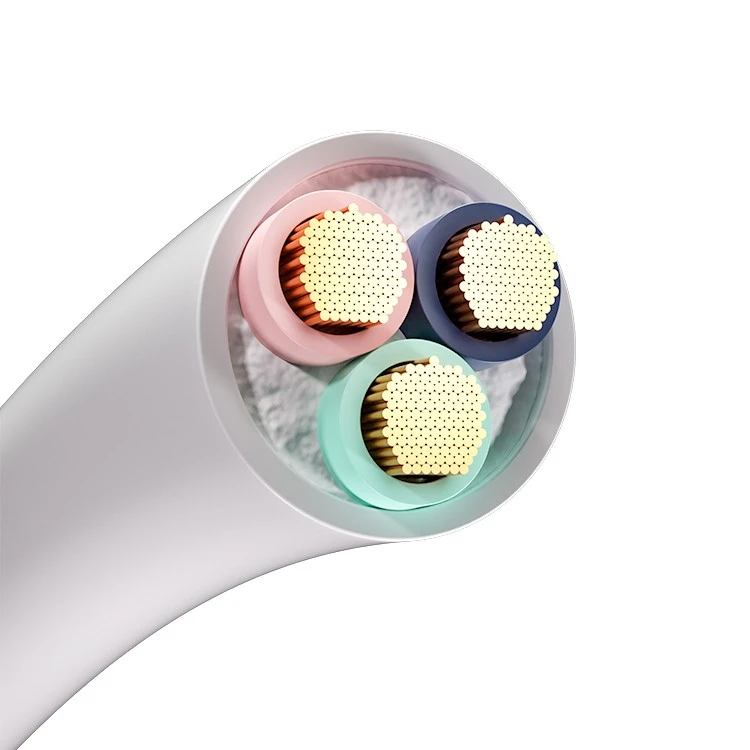

In a commercial solar farm project, the flexibility of the rubber power cords allowed for easy installation around the large - scale mounting structures. The cords were able to withstand the high temperatures during the summer months and the cold winters without any signs of degradation. This resulted in a more efficient and cost - effective installation.
Conclusion
In conclusion, rubber power cords can be a suitable choice for solar panel systems, provided that the technical requirements are carefully considered. Their flexibility, durability, and resistance to environmental factors make them well - suited for a variety of solar panel applications. However, it's important to ensure that the cord is properly sized, grounded, and compatible with other components of the system.
If you're considering using rubber power cords for your solar panel system, I encourage you to reach out to us for more information. We have a team of experts who can help you select the right cord for your specific needs. Whether you're a homeowner looking to install a small solar panel system or a large - scale solar farm developer, we can provide you with high - quality rubber power cords and professional advice.
References
- "Electrical Wiring Handbook" by Terrell Croft and Wilford Summers
- "Solar Power Systems Design and Installation Guide" by Mike Sagrillo and Ron Krupke