

Can high - voltage power cables be recycled?
Hey there! I'm a supplier of high - voltage power cables, and today I wanna talk about something that's been on my mind a lot lately: the recyclability of high - voltage power cables.
First off, let's understand what high - voltage power cables are. These bad boys are used to transmit large amounts of electrical energy over long distances. They're super important for our power grid, making sure that electricity gets from power plants to our homes and businesses. You can check out more about High Tension Electric Cable on this link.
Now, the big question: can they be recycled? The answer is a resounding yes! High - voltage power cables are made up of several components, and many of these can be reclaimed and reused.
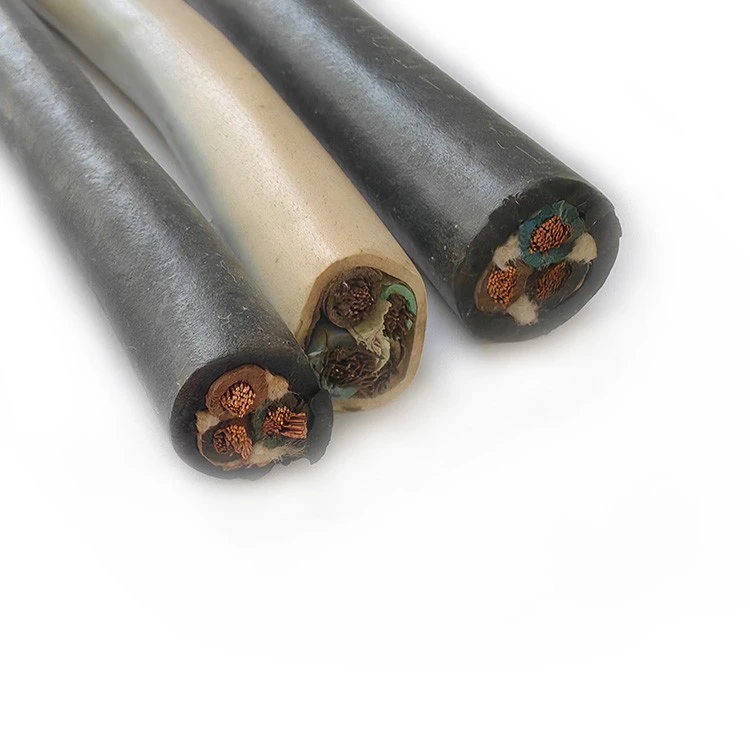
One of the main parts of a high - voltage power cable is the conductor, usually made of copper or aluminum. Copper is a highly valuable metal, and recycling it is not only economically viable but also environmentally friendly. Recycling copper saves a huge amount of energy compared to mining and refining new copper. Aluminum is also a great candidate for recycling. It can be melted down and reformed into new products with relatively little energy input.
The insulation materials used in high - voltage power cables can also be recycled in some cases. For example, some types of cross - linked polyethylene (XLPE) insulation can be processed and reused. There are advanced technologies emerging that can break down these polymers and turn them into raw materials for new insulation or other plastic products.
The outer sheath of the cable, which provides protection against mechanical damage, moisture, and chemicals, can also be recycled. Depending on the material used, such as polyvinyl chloride (PVC) or polyethylene, there are methods to recycle these plastics.
But it's not all smooth sailing when it comes to recycling high - voltage power cables. There are some challenges. One of the main issues is the complexity of the cable design. High - voltage power cables often have multiple layers of different materials, which need to be separated before recycling. This separation process can be time - consuming and expensive.
Another challenge is the presence of contaminants. Over time, cables can accumulate dirt, oil, and other substances that need to be removed before recycling. And in some cases, the insulation materials may have been treated with additives that make recycling more difficult.
Despite these challenges, the benefits of recycling high - voltage power cables are significant. From an environmental perspective, it reduces the demand for virgin materials, which in turn helps to conserve natural resources. It also cuts down on the energy consumption and greenhouse gas emissions associated with mining and manufacturing new cables.
Economically, recycling can be a win - win. For recyclers, there's the value of the reclaimed materials. And for cable suppliers like me, it can reduce the cost of raw materials in the long run. If you're interested in the cost aspect, you can take a look at the High Voltage Cable Price List.

So, how does the recycling process work? Well, it usually starts with the collection of old or damaged cables. These cables are then transported to a recycling facility. At the facility, the first step is to remove any external attachments or connectors. Then, the cables are cut into smaller pieces to make handling easier.
Next comes the separation process. Specialized equipment is used to separate the different materials in the cable. For example, mechanical methods can be used to separate the conductor from the insulation and sheath. Chemical processes may also be employed to break down and separate certain materials.
Once the materials are separated, they are cleaned and purified. The copper or aluminum conductors are melted down and refined to remove any impurities. The recycled metals can then be used to make new cables or other products. The recycled insulation and sheath materials are processed into raw materials that can be used in the manufacturing of new plastics.
As a high - voltage power cable supplier, I'm really excited about the future of cable recycling. I believe that as technology improves, the recycling process will become more efficient and cost - effective. There are already many High Voltage Power Cable Manufacturers who are starting to focus on more sustainable practices, including using recycled materials in their products.
If you're in the market for high - voltage power cables, whether you're a utility company, an industrial user, or a contractor, I encourage you to consider the environmental impact of your choices. By choosing cables made from recycled materials or supporting the recycling of old cables, you can play a part in creating a more sustainable future.
And if you're interested in learning more about our high - voltage power cables or want to discuss a potential purchase, don't hesitate to reach out. We're here to answer your questions and help you find the best cable solutions for your needs. Let's work together to make the power industry more sustainable!
References:
- "Handbook of Electric Power Cable Engineering" by John A. McKenzie
- "Recycling of Electrical and Electronic Equipment" edited by Arslan Ugur and Ahmet Yalcin