

Hey there! I'm an indoor strip cable supplier, and I often get asked this question: Can an indoor strip cable be used in a high - altitude environment? Well, let's dig into this topic and find out.
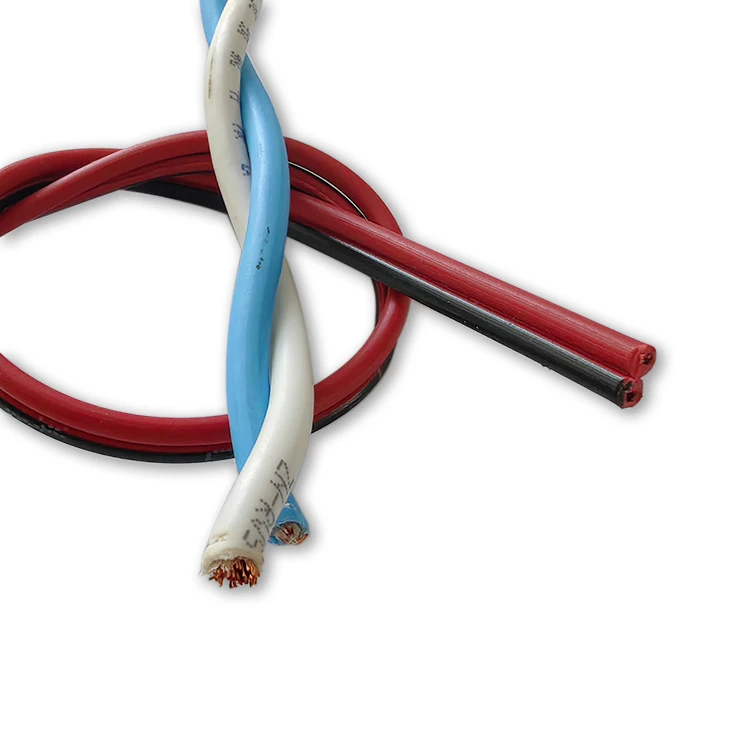
First off, let's understand what an indoor strip cable is. It's basically a cable that's designed for use inside buildings. You know, like the ones you use to plug in your TV, computer, or other household appliances. These cables are made to meet certain safety and performance standards for indoor use. They're usually more flexible and have a nice, neat appearance, which makes them great for home and office setups. For example, our USB Only Power Strip is a popular indoor strip cable that's perfect for charging your devices.
Now, what about high - altitude environments? High - altitude areas have some unique conditions. The air is thinner up there, which means there's less oxygen and lower air pressure. The temperature can also vary a lot, from very cold at night to relatively warm during the day. And there's often more exposure to UV radiation because there's less atmosphere to filter it out.
So, can our indoor strip cables handle these conditions? The short answer is, it's not a great idea. Indoor strip cables are built with indoor conditions in mind. The insulation materials used in these cables are designed to work well at normal air pressures and temperatures. At high altitudes, the lower air pressure can cause problems. For instance, the insulation might break down more easily. The electrical arcs that can occur inside the cable are more likely to happen in low - pressure environments, which can lead to short circuits and even fires.
The temperature variations at high altitudes can also be a big issue. Indoor cables are typically made to work within a certain temperature range. If it gets too cold, the cable can become brittle and crack. On the other hand, if it gets too hot, the insulation can melt or degrade, exposing the electrical conductors and creating a safety hazard.
UV radiation is another concern. Most indoor strip cables aren't treated to resist UV rays. Prolonged exposure to UV radiation can cause the outer sheath of the cable to become brittle and start to peel. This not only looks bad but also compromises the cable's integrity and safety.
But wait, there are some cases where you might think about using an indoor strip cable in a high - altitude environment. Maybe you're setting up a temporary installation, like a small research station or a short - term event. In these situations, you need to take extra precautions. You could try to protect the cable from the elements as much as possible. For example, you could use a protective cover to shield it from UV rays and extreme temperatures. You also need to regularly inspect the cable for any signs of damage.
However, for long - term use in high - altitude areas, it's much better to use cables that are specifically designed for outdoor and high - altitude conditions. These cables are made with materials that can withstand the lower air pressure, temperature variations, and UV radiation. Our Outdoor Extension Cord with Surge Protector is a great option for such environments. It's built tough to handle the challenges of the outdoors, including high - altitude areas.
Another thing to consider is the connection of these cables. If you're using an extension cord connected to a power strip, like our Extension Cord Connected To Power Strip, you need to be extra careful. The connections can be more vulnerable in high - altitude conditions. Make sure all the connections are tight and secure to prevent any electrical issues.

In conclusion, while it might be tempting to use an indoor strip cable in a high - altitude environment, it's generally not the best choice. The unique conditions at high altitudes can pose serious risks to the performance and safety of indoor cables. If you're in a high - altitude area and need a cable solution, it's worth investing in cables that are designed for these harsh conditions.
If you're looking for high - quality cables for your specific needs, whether it's for indoor use or outdoor high - altitude applications, I'm here to help. I've got a wide range of cables that can meet your requirements. Just reach out to me, and we can have a chat about what would work best for you. Let's find the perfect cable solution together!
References
- Electrical Engineering Handbook, various editions
- Research papers on cable performance in extreme environments