

Hey there! As an electrical power cord supplier, I often get asked if there are any shock - proof electrical power cords. Well, let's dig into this topic and find out.
First off, it's important to understand the basics of electrical safety. Electricity can be dangerous, and shocks are one of the most common hazards when dealing with power cords. A shock occurs when an electrical current passes through the body. This can happen if a power cord is damaged, if there's a short - circuit, or if the cord isn't properly insulated.
So, are there truly shock - proof power cords? The short answer is that while there's no such thing as a 100% shock - proof power cord, there are definitely cords that are designed to minimize the risk of electric shock.
Let's talk about the features that make a power cord safer. One of the key elements is insulation. High - quality insulation materials can prevent the electrical current from leaking out of the cord and coming into contact with people or objects. For example, many modern power cords use rubber or PVC insulation. These materials are good electrical insulators and can withstand a certain amount of wear and tear.
Another important safety feature is grounding. A grounded power cord has an extra wire that provides a path for the electrical current to flow safely into the ground in case of a fault. This helps to prevent the build - up of electrical charge on the appliance or the cord itself, reducing the risk of shock.
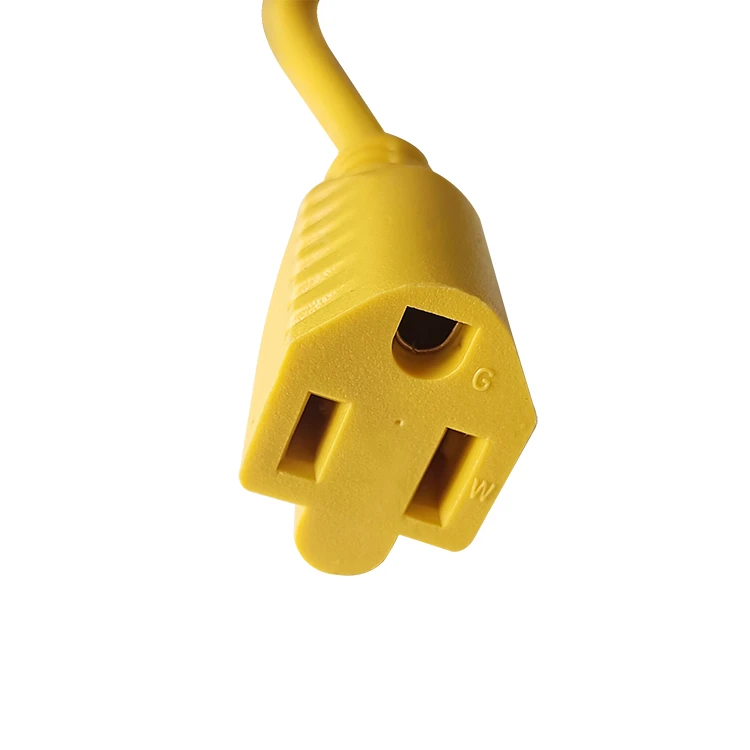
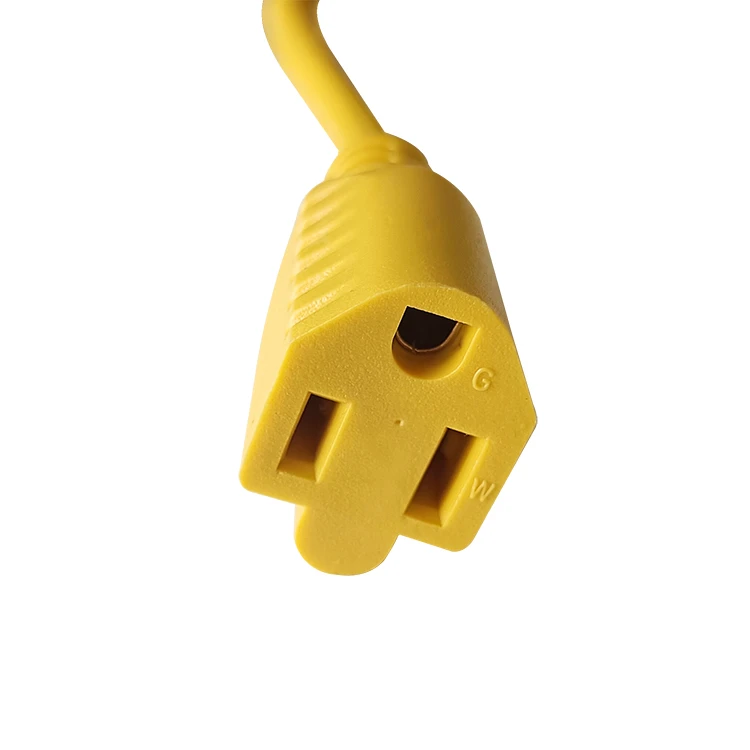
We at our company take electrical safety very seriously. That's why we offer a wide range of power cords with advanced safety features. For instance, our Short Appliance Extension Cord is designed for small appliances in your home. It has a durable insulation that can resist damage from bending and twisting, and it's properly grounded to keep you safe.
If you're looking for a power cord for a portable generator, our Portable Generator Extension Cords are a great choice. These cords are built to handle the high power output of generators. They have thick insulation to protect against electrical leaks and are made with high - quality conductors to ensure efficient power transfer.
Our 12 Gauge Appliance Extension Cord is another popular product. The 12 - gauge wire is thicker than some other gauges, which means it can carry more electrical current without overheating. This reduces the risk of electrical fires and shocks.
Now, let's talk about how to maintain the safety of your power cords. Regular inspection is crucial. Check your cords for any signs of damage, such as frayed wires, cracks in the insulation, or loose plugs. If you find any damage, don't use the cord. Instead, replace it immediately.
Also, make sure to use the right power cord for the right appliance. Using a cord with too low a capacity can cause overheating and increase the risk of shock. Always check the power requirements of your appliance and choose a cord that can handle that load.
When it comes to installation, follow the manufacturer's instructions carefully. Improper installation can lead to safety issues. For example, if a cord isn't properly plugged in or if the grounding isn't connected correctly, it can create a shock hazard.
In addition to the physical features of the power cords, we also comply with all the relevant safety standards. These standards are set by organizations like the National Electrical Code (NEC) in the United States. By following these standards, we ensure that our power cords are as safe as possible.
But remember, even with the safest power cords, you still need to use them responsibly. Don't overload your cords by plugging in too many appliances at once. And never use a power cord in wet conditions unless it's specifically designed for such use.
So, while there's no absolute guarantee of a shock - proof power cord, we're doing everything we can to provide you with the safest options. Our products are designed with your safety in mind, and we're constantly working to improve them.
If you're in the market for electrical power cords, whether it's for your home, office, or industrial use, we'd love to have a chat with you. We can help you choose the right cords for your specific needs and answer any questions you might have. Contact us to start the procurement process and let's work together to keep your electrical systems safe.
References
- National Electrical Code (NEC) standards
- Electrical safety guidelines from industry experts