

As a supplier of mechanical power cords, I often encounter various questions from customers regarding the performance and durability of our products. One question that comes up frequently is whether mechanical power cords are resistant to salt spray. This is a crucial concern, especially for applications in coastal areas, marine environments, or industrial settings where salt exposure is common. In this blog post, I will delve into the topic of salt spray resistance of mechanical power cords, exploring the factors that affect it and the measures we take to ensure our products meet the necessary standards.
Understanding Salt Spray and Its Effects
Salt spray is a corrosive environment created by the presence of salt particles in the air, typically in coastal areas or marine settings. When salt particles come into contact with metal components of a mechanical power cord, they can initiate a corrosion process. Corrosion is a chemical reaction that occurs when metal reacts with oxygen and moisture in the presence of salt, leading to the formation of rust or other corrosion products. This can have several detrimental effects on the power cord, including:
- Reduced conductivity: Corrosion can increase the resistance of the electrical conductors in the power cord, leading to a decrease in electrical conductivity. This can result in power losses, overheating, and potential safety hazards.
- Weakening of mechanical strength: Corrosion can also weaken the mechanical structure of the power cord, making it more prone to breakage or failure. This can compromise the integrity of the electrical connection and pose a risk of electrical shock or fire.
- Sealing and insulation damage: Salt spray can penetrate the insulation and sealing materials of the power cord, causing them to degrade over time. This can lead to moisture ingress, short circuits, and other electrical problems.
Factors Affecting Salt Spray Resistance
The salt spray resistance of a mechanical power cord depends on several factors, including the materials used in its construction, the design of the cord, and the manufacturing processes employed. Here are some key factors to consider:
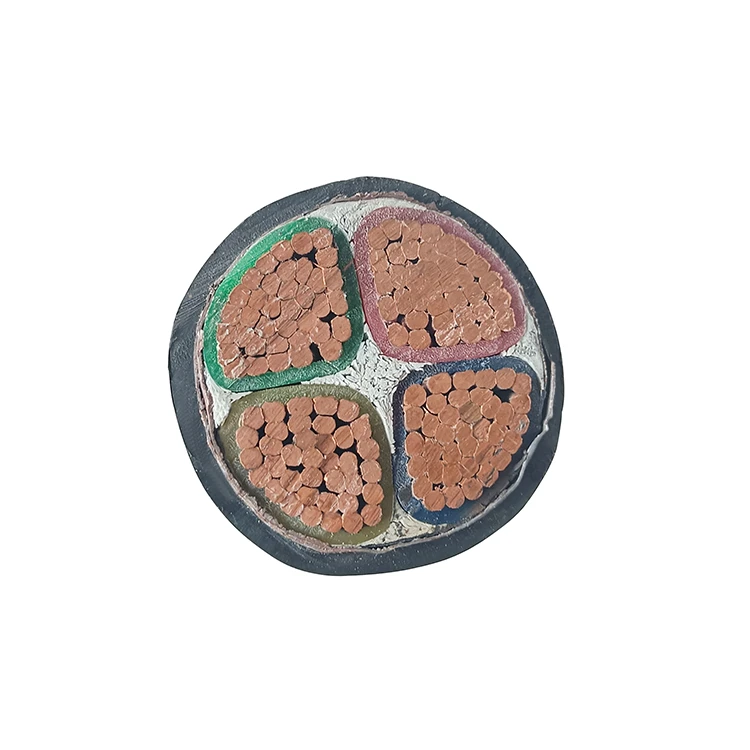
- Conductor materials: The choice of conductor materials plays a crucial role in determining the salt spray resistance of a power cord. Copper is a commonly used conductor material due to its high electrical conductivity, but it is also susceptible to corrosion. To improve salt spray resistance, copper conductors can be coated with a protective layer, such as tin or nickel, to prevent direct contact with salt particles.
- Insulation materials: The insulation materials used in the power cord also need to be resistant to salt spray. Polyvinyl chloride (PVC) is a widely used insulation material due to its good electrical properties and mechanical strength, but it may not be suitable for applications in highly corrosive environments. Other insulation materials, such as cross-linked polyethylene (XLPE) or ethylene propylene rubber (EPR), offer better resistance to salt spray and are often used in marine and coastal applications.
- Sealing and jacketing: Proper sealing and jacketing are essential to prevent salt spray from entering the power cord and causing damage to the internal components. The power cord should be designed with a tight-fitting jacket and sealed connectors to provide a barrier against moisture and salt particles. Additionally, the jacket material should be resistant to abrasion, chemicals, and UV radiation to ensure long-term durability.
- Design and construction: The design of the power cord can also affect its salt spray resistance. For example, a power cord with a compact and streamlined design is less likely to trap salt particles and moisture compared to a cord with a complex or irregular shape. Additionally, the use of strain reliefs and grommets can help to prevent stress and damage to the cord, improving its overall durability.
Our Approach to Salt Spray Resistance
At our company, we understand the importance of salt spray resistance in mechanical power cords, especially for applications in harsh environments. That's why we take several measures to ensure our products meet the highest standards of quality and durability. Here's how we approach salt spray resistance:
- Material selection: We carefully select the materials used in our power cords to ensure they offer excellent salt spray resistance. Our conductors are made from high-quality copper coated with a protective layer of tin or nickel to prevent corrosion. Our insulation materials are chosen for their resistance to salt spray, chemicals, and UV radiation, and our jackets are made from durable materials that provide a tight seal against moisture and salt particles.
- Testing and certification: Before our power cords are released to the market, they undergo rigorous testing to ensure they meet the relevant salt spray resistance standards. We use industry-standard testing methods, such as the salt spray test (ASTM B117), to evaluate the performance of our products in a simulated salt spray environment. Our power cords are also certified to meet various international standards, such as UL, CE, and RoHS, ensuring their quality and safety.
- Advanced manufacturing processes: We employ advanced manufacturing processes to ensure the consistent quality and performance of our power cords. Our manufacturing facilities are equipped with state-of-the-art equipment and technology, allowing us to produce power cords with precise dimensions, tight tolerances, and excellent mechanical and electrical properties. We also have strict quality control measures in place to monitor every stage of the manufacturing process, from raw material inspection to final product testing.
Applications of Salt Spray-Resistant Power Cords
Salt spray-resistant power cords are essential for a wide range of applications in coastal areas, marine environments, and industrial settings. Here are some common applications where our salt spray-resistant power cords are used:
- Marine vessels: Power cords are used on boats, ships, and other marine vessels to provide electrical power for various equipment, such as navigation lights, pumps, and communication systems. Salt spray-resistant power cords are essential to ensure reliable and safe operation in the harsh marine environment.
- Coastal infrastructure: Power cords are also used in coastal infrastructure, such as ports, harbors, and offshore platforms, to provide electrical power for lighting, machinery, and other equipment. Salt spray-resistant power cords are necessary to withstand the corrosive effects of salt spray and ensure the long-term reliability of the electrical systems.
- Industrial applications: In industrial settings, salt spray-resistant power cords are used in applications where salt exposure is common, such as chemical processing plants, food processing facilities, and wastewater treatment plants. These power cords are designed to withstand the harsh conditions and ensure the safe and efficient operation of the electrical equipment.
Conclusion
In conclusion, salt spray resistance is a critical factor to consider when selecting a mechanical power cord for applications in coastal areas, marine environments, or industrial settings. At our company, we are committed to providing high-quality salt spray-resistant power cords that meet the needs of our customers. Our power cords are designed and manufactured using the latest materials and technologies, and they undergo rigorous testing to ensure they meet the highest standards of quality and durability.
If you are looking for a reliable supplier of mechanical power cords with excellent salt spray resistance, we invite you to explore our product range. We offer a wide variety of Custom Best Power Cord for Machine, including 50 Amp RV Cord 50 Feet and Extension Cord with Multiple Spaced Outlets, to meet your specific requirements.
If you have any questions or would like to discuss your power cord needs, please feel free to contact us. We look forward to working with you to provide the best power cord solutions for your applications.
References
- ASTM B117 - Standard Practice for Operating Salt Spray (Fog) Apparatus
- International Electrotechnical Commission (IEC) standards for electrical cables and cords
- Underwriters Laboratories (UL) standards for electrical safety