

Hey there! As a supplier of mechanical power cords, I often get asked a bunch of questions about these essential pieces of equipment. One question that pops up quite frequently is, "Are mechanical power cords resistant to ozone?" Well, let's dig into this topic and find out.
First off, let's talk a bit about what ozone is and why it matters for power cords. Ozone is a gas made up of three oxygen atoms. It's formed when oxygen molecules are broken apart by things like sunlight, electrical discharges, or certain industrial processes. You might have heard of the ozone layer in the atmosphere, which protects us from the sun's harmful UV rays. But on the ground - level, ozone can be a bit of a troublemaker.
Ozone is a powerful oxidizing agent. What does that mean? It means it can react with certain materials and break them down over time. For mechanical power cords, this can be a big deal. The outer insulation of power cords is usually made from materials like rubber or plastic. These materials are chosen for their flexibility, durability, and electrical insulating properties. But when they come into contact with ozone, things can start to go wrong.
The reaction between ozone and the insulation material can cause the material to become brittle. You know how an old rubber band gets all dry and snaps easily? It's kind of the same idea. As the insulation becomes brittle, it can crack. And once there are cracks in the insulation, it's no longer doing its job of keeping the electrical current safely inside the cord. This can lead to all sorts of problems, like short - circuits, electrical shocks, and even fires.
So, are mechanical power cords resistant to ozone? The answer is: it depends. Some power cords are designed to be ozone - resistant. Manufacturers can add special additives to the insulation material to make it more resistant to the effects of ozone. These additives work by either preventing the ozone from reacting with the material or by repairing the damage that the ozone does.
For example, some high - quality rubber compounds used in power cord insulation can have anti - ozone agents mixed in. These agents form a protective layer on the surface of the rubber, which acts as a barrier between the ozone and the rubber itself. This can significantly extend the life of the power cord in an ozone - rich environment.
On the other hand, not all power cords are created equal. Cheaper or lower - quality power cords might not have these ozone - resistant features. If you're using a power cord in an area where there's a lot of ozone, like near a high - voltage electrical substation or in an industrial setting with ozone - generating equipment, you definitely want to make sure you're using an ozone - resistant cord.
Now, let's talk about some of the products we offer as a mechanical power cord supplier. We have a great selection of power cords that are suitable for different applications. For instance, our Custom Best Power Cord for Machine is designed to meet the specific needs of various machines. Whether you're using it in a factory setting or for a small home - based business, this power cord can be customized to fit your requirements.
Another popular product is our 14 50r Generator Cord. This cord is perfect for connecting generators to your electrical appliances. It's built to handle the high - power output of generators and is made from quality materials that are designed to last.
And if you need a bit of extra length, our 50 Amp Extension Cord 25 ft is a great option. It can handle a high amperage, so you can use it with power - hungry devices without worrying about overloading the cord.
When it comes to ozone resistance, we make sure that many of our power cords are up to the task. We understand that our customers might be using these cords in different environments, and we want to provide them with products that are reliable and safe.

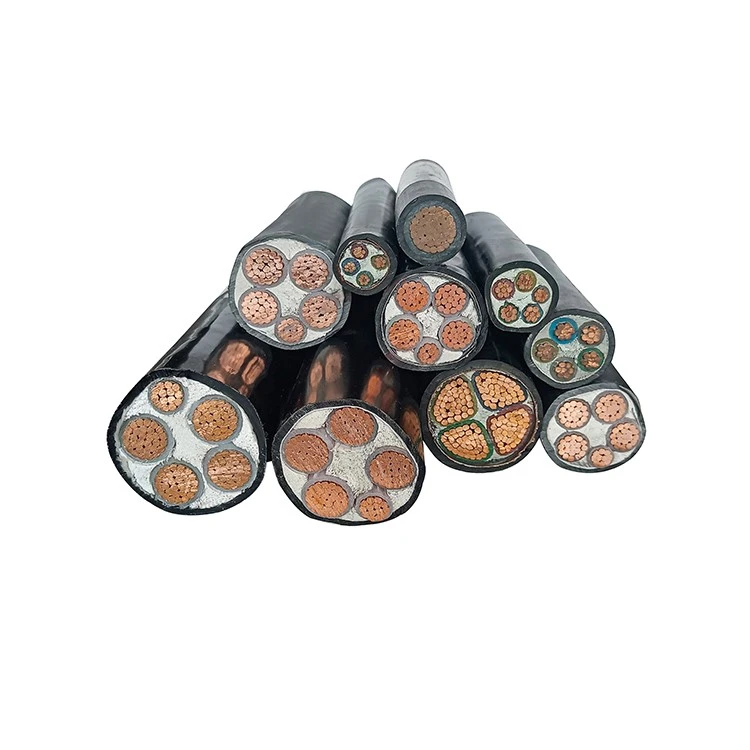
If you're in an area where ozone is a concern, here are some tips to keep your power cords in good shape. First, try to keep the cords away from sources of ozone. If possible, store them in a cool, dry place where they're not exposed to high levels of ozone. Second, regularly inspect your power cords for any signs of damage, like cracks or brittleness. If you notice any problems, replace the cord right away.
In conclusion, while not all mechanical power cords are resistant to ozone, there are definitely options out there that are. As a supplier, we're committed to providing our customers with high - quality power cords that meet their needs, whether it's ozone resistance or any other requirement.
If you're interested in purchasing mechanical power cords, or if you have any questions about ozone resistance or our products, don't hesitate to reach out. We're here to help you find the best power cord solutions for your specific situation.
References
- "Handbook of Polymer Science and Technology" - Covers the chemical reactions between ozone and polymer materials used in power cord insulation.
- "Electrical Safety Standards and Guidelines" - Provides information on the importance of using ozone - resistant power cords in certain environments.